Record-breaking heat and wildfires in Hawai’i elict concern
ANJALI DALAL-WHELAN / NEWS EDITOR
This summer has been one of the hottest on record globally. According to the LA Times, the average temperature this year has been 2.002 degrees Fahrenheit over the average. July 2023 was Earth’s hottest month ever recorded.
The Los Angeles Times quoted Daniel Swain, a climate scientist at UCLA who explained the reason for the extreme heat.
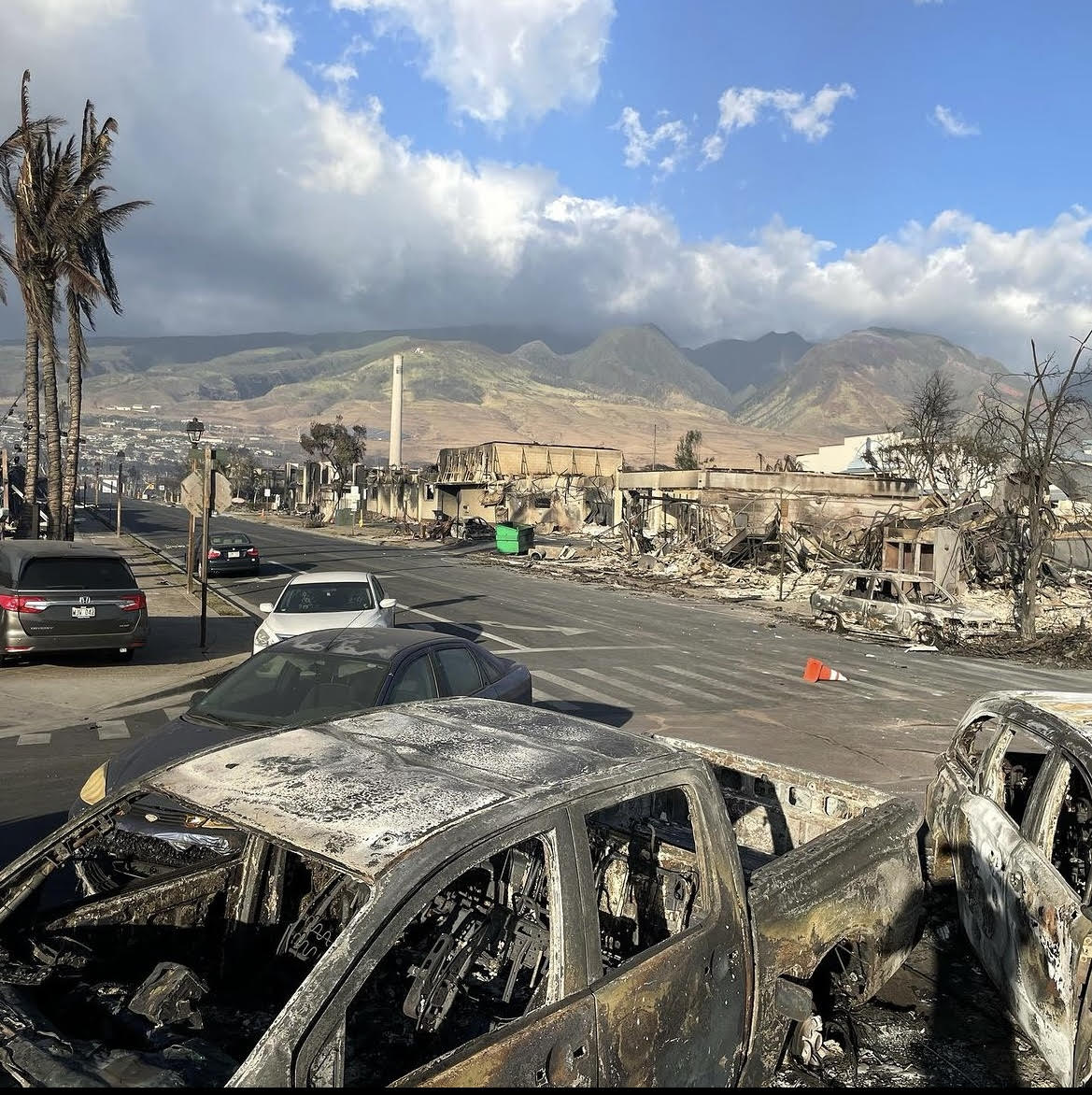
Photo courtesy of @yusurf/Instagram
“Maybe greater than 80% — maybe even greater than 90% — of the reason is just the accumulation of greenhouse gasses in the atmosphere,” Swain said.
More than 40 deaths have been attributed to heat in the U.S., with conditions especially poor in the Southwest; Phoenix, Arizona, has a record 31 days with temperatures of 110 degrees Fahrenheit or hotter.
First-year Emily Jwayad explained her experience with higher temperatures this summer.
“I live in the Portland metro area in Oregon, and right now we are in a big heat wave. Temperatures are around 105 degrees Fahrenheit, which 10 years ago would have never happened,” Jwayad said. “Not only have summers become hotter, but winters have also become more extreme.”
Jwayad elaborated that she “100% believes” that this unusual weather is a product of climate change.
Heat is not the only way the climate has changed. A new study from UC San Diego found that since 1970, the average wave height in Central California has grown by a foot. Warming water temperatures cause larger storms, which create larger waves. Large waves can cause dangerous conditions, such as cliff collapses as was seen in January at Black’s Beach in La Jolla.
The Northeast and Midwestern U.S. have felt the effects of poor air quality due to an unprecedented wildfire season in Canada this summer. Canada’s wildfires — which have been worse in scale due to dry conditions — spread smoke south, leading many U.S states to issue health advisory warnings over the summer months.
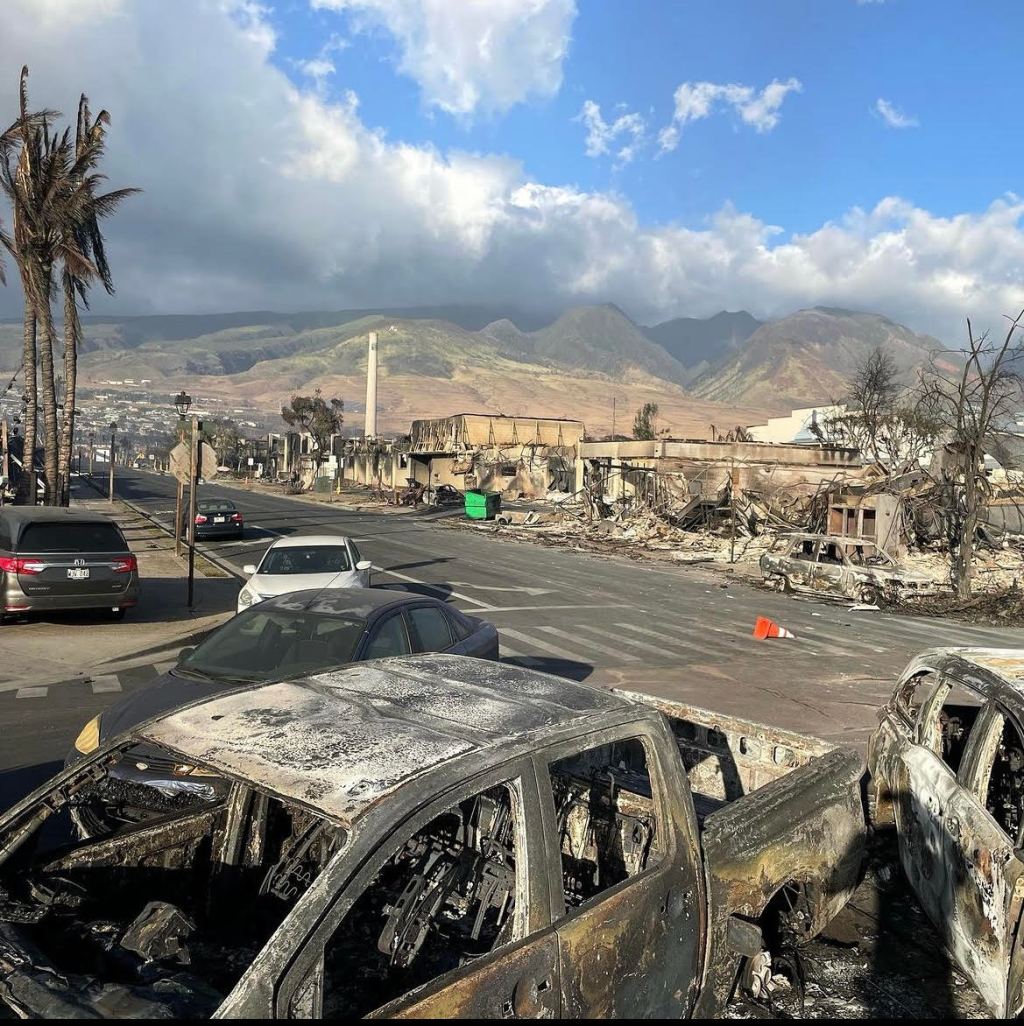
The most deadly climate event in the U.S. this year has been the wildfires on the island of Maui in Hawai’i. The deadliest wildfire in the U.S. in over 100 years began on Aug. 8, when small bushfires grew out of control. What started the fires is not known yet, but low humidity, high temperatures and drought conditions contributed to the fire’s destruction.
The town of Lahaina was most affected, with more than 2,200 structures damaged. The New York Times, explained that climate change has created higher temperatures and less precipitation, while invasive and highly flammable grasses have spread. The article also mentions that Hurricane Dora, a category 4 tropical storm, passed south of Hawai’i on Aug. 8, and the wind speeds from this storm helped the wildfires to spread. At least100 people have died due to the wildfires, however, the number is continuing to rise, as victims are recovered from the rubble of the historic town of Lahaina.
USD sophomore Mahina Ah Sam lives in Kailua, Hawai’i, on the island of Oahu, and expressed her concern for the people in Maui affected by the wildfires.
“It’s so hard to watch my people struggle. There is no way to have known something like this would have happened. The people of the islands are such a tight-knit community, so when something happens to another, we all feel for them,” Ah Sam said. “Climate change plays a big role in the wildfire. Yes, August is known as our hurricane season, but these insane winds that have lasted for so many days [are] quite rare. Other ways that we have been affected by climate trchange is the erosion of our shores and definitely the temperature.”
Around the world, many have felt the unusual weather patterns, causing concern for the future.
First-year Jill Mallari lives on the island of Saipan, a U.S. territory in the Pacific. Living on a small island, she explained she has seen firsthand the effects of climate change.
“One of the most pressing issues I’ve been seeing lately is the sudden rise of the ocean waters within our beaches. The shore increasingly becomes smaller, which makes me feel like our island’s progressively sinking,” Mallari said.
On Sunday, Hurricane Hilary hit Southern California as a tropical storm. It was the first tropical storm to hit San Diego County since 1930. San Diego escaped major damage, however, 13 people were rescued from a flooded homeless encampment near Morena Boulevard. According to Fox 5 San Diego, San Diego received 1.82 inches of rainfall, making it the wettest day in August in 46 years.
Rebuilding efforts have just begun in Maui with over 1,000 people still unaccounted for. Climate change’s effects have been felt in a variety of ways throughout the country this summer, leaving many people harmed or in dangerous situations.




 The USD Vista
Leave a comment