
Unions are becoming more popular in America, and for good reason
RONNIE SAENZ / ASST. OPINION EDITOR
With the passing of Labor Day, we reminisce on pool parties, barbecues and the end of summer. But, Labor Day is more than a day off. It’s a day dedicated to all workers in America, and represents the rights they fought for through unionizing and strikes. Before Labor Day was a federal holiday, it was a day when workers went on strike to protest unsafe working conditions, overworking and underpayment.
Labor Day may seem like an artifact of the past that celebrates how far we’ve come, but many of those underlying issues are still faced by workers today across the country. Because of this unions are becoming more popular in America, and for good reason.
@sagaftra/Instagram
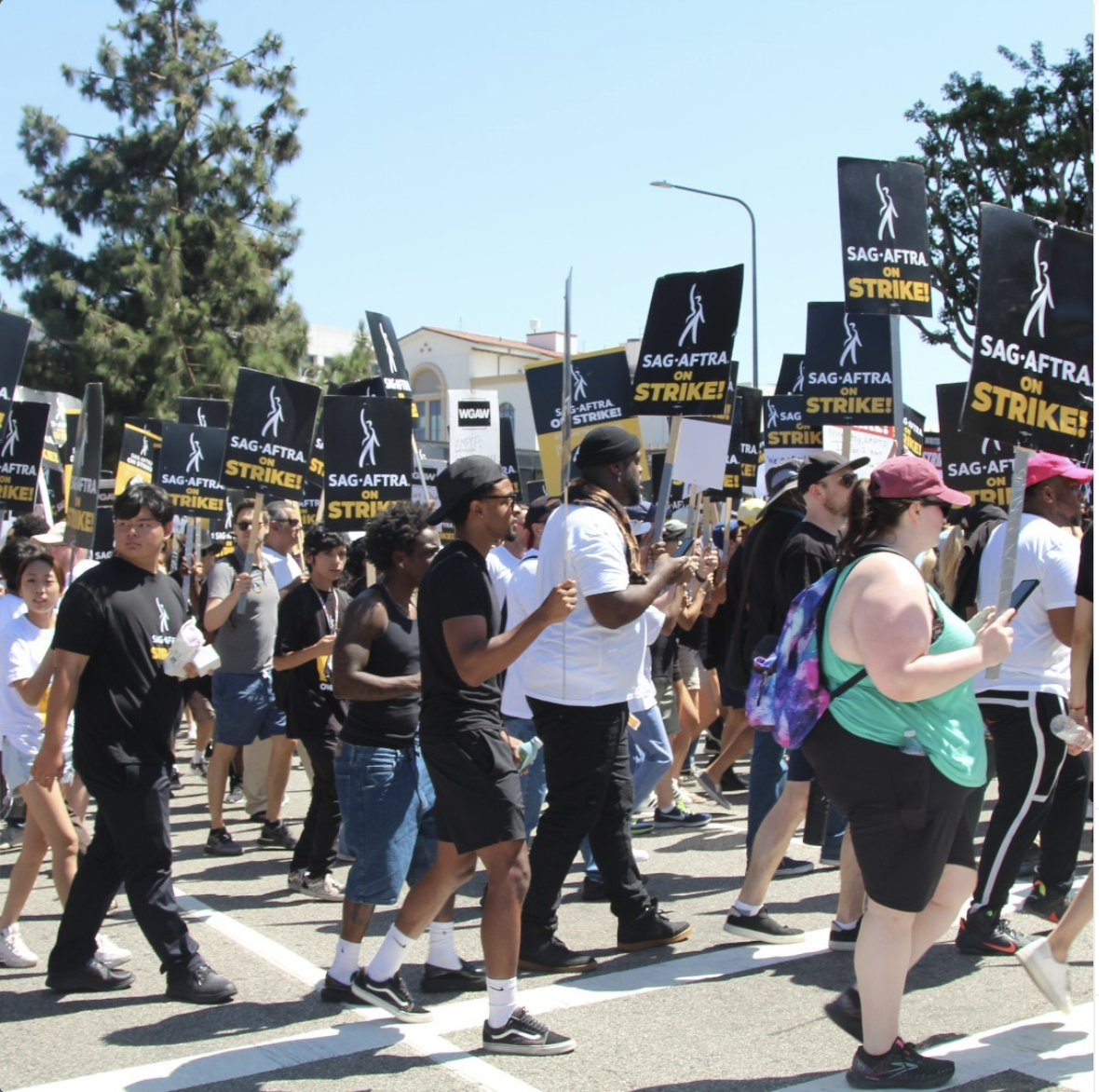
The Writers Guild of America (WGA) and Screen Actors Guild – American Federation of Television and Radio Artists (SAG-AFTRA) – have been striking together for two months. The WGA strike started on May 2, 2023 and the SAG-AFTRA strike started on July 13, 2023, but the fight continues as writers and actors come together to demand better wages and security from the Alliance of Motion Picture and Television Producers (AMPTP). This alliance is made up of many studios including Amazon Studios, Lionsgate, NBCUniversal, Paramount Global, Sony Pictures, Apple Studios, the Walt Disney Company, Netflix and Warner Bros. Discovery.
It’s also important to note that the people on strike are not just the big name actors and writers we’re familiar with, but also the “lesser-known” creatives that make significantly less money from their work. While some big name Hollywood stars are joining the strikes, they are joining out of solidarity. After all, their fame already guarantees them a much larger wage than the average writer or actor.
The WGA is demanding more compensation by increasing minimum compensation for writers and standardizing residuals for streaming services. SAG-AFTRA demands increased minimum pay rates as well, increased streaming residuals and improved working conditions.
Actor pay rates are so bad right now that according to the U.S. Bureau of Labor Statistics the median pay for actors in 2022 was $17.56 per hour, which is only two dollars above the minimum wage in California. All the while the CEO of Disney Bob Iger is earning $26 million per year. Just looking at the box office numbers for this year, studios are making more money than they have in years with the average movie domestic box office grossing $17,345,050, which is the highest it’s been since 2001. And yet, the average pay for actors and writers has stagnated or declined. With workers still fighting for their worth, it’s important that we as individuals continue to support unions.
To those who turn a blind eye, the WGA and SAG-AFTRA strike may seem like an anomaly. But, these strikes are responding to one industry out of our entire corporate economy. There are plenty of big corporations that fail to pay their workers enough or provide a suitable working environment, and unions are consistently tackling these issues. Just last year there were union efforts at Starbucks, Amazon and Apple. There were also strikes among nurses in Minnesota and the nation’s railroad workers. The nurses in Minnesota demanded better working conditions, and the railroad workers demanded higher pay.
It’s clear workers’ movements are still needed in the modern era to negotiate wages and better working conditions. On top of this, the cost of living in America is rising without a rise in income to match. With disposable income dropping over the last few years, many are blaming corporate America’s failure to raise wages. All of these factors are reflected in union support rates. According to Gallup polls, in 2022 U.S. support of unions peaked at 71% approval for the first time since 1965.
Some may argue that consumer support of unions isn’t important because the government should be the one to keep big businesses in check. It’s common for politicians to champion the working class; elected officials, such as Biden and Trump, often run on strong platforms of creating jobs and improving the economy. Despite this, it is very rare that the government interferes with disputes between workers and corporations, unless workers have come together to petition either through unionizing, striking or a variety of other methods. Even when the government does occasionally intervene, it is often in favor of corporations rather than workers. One recent example was last December when President Biden signed legislation to block a national U.S. railroad strike. instead of requiring railroads to meet their demands.
Given that the government rarely interferes with these strikes, it’s important that workers in America know they aren’t alone. There are many things we can do to help protect worker’s rights, such as boycotting industries that abuse their laborers. Another small way to support workers is by buying union-made goods and using union-supported services.
If Labor Day has taught us anything it’s that the fight for labor rights in America is a never ending struggle, but unionization at least gives us a chance at securing those rights.

 The USD Vista
Leave a comment