Riti Dey / Asst. News Editor
With more than 1,600 students, the class of 2027 flooded USD, when they arrived in August, as the largest class that the campus has ever seen. Welcome speeches to students, faculty and staff reflected on the record-breaking attributes that this incoming class presents, similar to the class of 2026, who broke the record last year. Due to the number of accepted first-years to attend, USD did not even touch the waitlist for admission, signifying an upward trend for admitting a large number of students.
The University of San Diego is not the only institution facing such a drastic increase in their student population, however. Forbes reported in March that the number of college applications reached record numbers this year, hovering between a 28-32% increase from previous years. Further, the USD community is only experiencing a microcosm of what is going on in the outside San Diego community. According to the San Diego Union-Tribune, other San Diego universities are facing a similar problem. They explained, “congestion is about to get much worse on [the UCSD] campus that has added about 13,700 students since 2012.”

This nationwide increase in college applications is largely due to post-COVID revisions, such as the increased implementation of test-optional policies which made applying to college more accessible and attractive to students over the last couple of years, according to The College Advisor of New York. “Some students may be hesitant to apply to selective colleges due to the perceived competitiveness of the admissions process,” they detailed, “but test optional policies may make these schools seem more accessible and encourage more students to apply.” In May 2020, USD permanently removed its ACT/SAT requirements, aiming to prioritize a “holistic approach” to college admissions, which considers factors such as grades, extracurricular activities, essays, and other elements to determine admission for applicants.
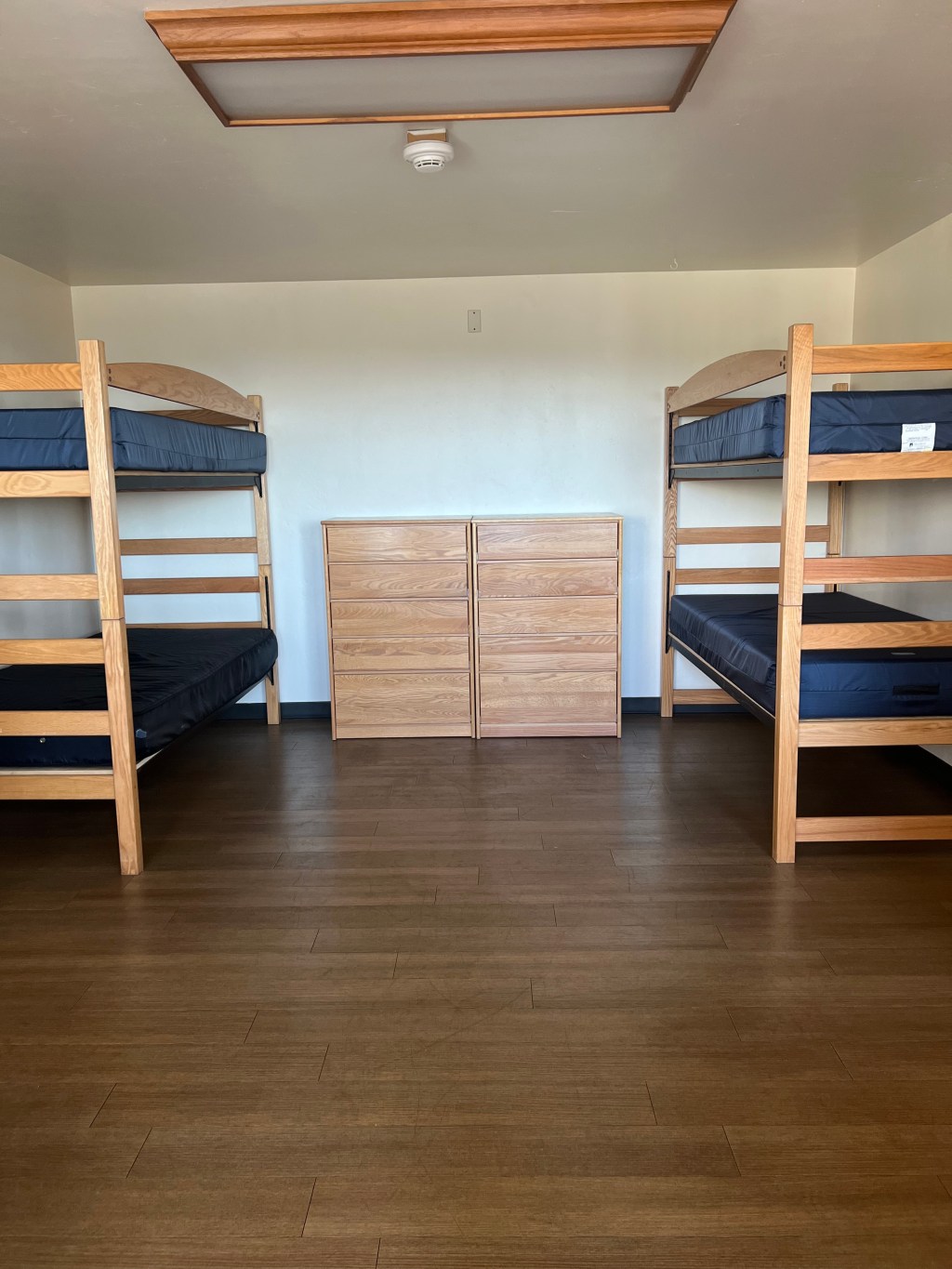
At USD every grade is facing the effects of the entrance of our large new first-year class. First-years are being introduced to a wildly different experience from their first year of high school. Instead of online school during COVID-19, they are squeezing into housing with strangers in a way that previous grades did not have to experience as first-years. First-year dorms faced several changes to accommodate for the unprecedented number of new students. In Maher Hall, for instance, which houses the Collaborate LLC, rooms that were previously doubles and triples were converted into quads, which came as a surprise for many first-year students.
First-year Hudson Lam reflected on his housing situation (a triple that is now a quad) and the arrangements that he had to make as a result of this shift.
“The biggest adjustment has been timing things with my roommates and adjusting to having so many people around,” Lam explained. “It’s especially difficult not knowing when my roommates are asleep during the day and accidentally walking in.”
From a faculty perspective, the shift has been similarly new. As first-years are learning how to work together in a new way, administration has to do the same.
As Maher Community Director (CD), Aicha Haidara worked on the frontlines of this new living-model, handling both student affairs and administrative changes. She touched upon the various deliberations she had with the administration involving restructuring placement of resident assistants around the building, collaborating with LLC programs to accommodate for the influx of students and restructuring rooms. Haidara honed in on new joint efforts between the admissions team, residential life, and other departments to design a thriving student experience.
“Even administration has to be working on a team, and even admin is growing,” Haidara described. “Because of this new situation [increase in first-years], administration has to reframe everything from a standpoint of growth.”
The growth of the admitted students has been at the forefront of the minds of many in the class of 2027. As Hudson Lam described, “we’re all neighbors, and we’re all living in the same space, sharing the same things.”
First-year USD student Keira Dooley excitedly shared her perspective regarding the changes on campus and being a first-year student.
“So far it’s actually been kind of easy,” Dooley noted. “I’ve never lived with another person in my room before, but it hasn’t been bad at all.” In regards to the way USD handled the housing situation, Dooley explained that she wished the school provided more information beforehand, specifically about furniture arrangements. “We only have two desks for four people, and since we are unable to bunk all our beds, even if we wanted a desk, we couldn’t fit a third one.”
Beyond Maher Hall, CD Haidara described the domino effect taking place for housing other students. Due to USD’s two-year housing requirement, all other grades had to adjust as well. San Antonio de Padua (SAPS) for example, is usually a swing space, which is an area that is temporarily used to house excess students from different grades, mainly sophomores and transfer students. This year, however, SAPS is mainly housing first-years, pushing transfers and sophomores who could have been placed in SAPS into other locations. Several transfer students are living in Pacific Ridge across the street from USD, and the school has had to partner with neighboring spaces to grow beyond what USD originally had in order to acclimate to the changes.
Monique Lynch, a Community Director for the Alcalá Vista Apartments (Vistas) who previously worked in admissions honed in on this topic more, referring to a concept called “the melt.” Usually students are waiting on their admissions decisions, and if they get admitted elsewhere and choose a different university over USD, a spot will open up for someone else. From an admissions perspective, there are waves where the admissions team sends out a first wave of acceptances, and based on how many people accept their admission, there will be a second wave, perhaps a third, and so on.
“We anticipated that there were inevitably going to be some people who may not be able to attend USD, “ Lynch said “But this year it was the perfect storm where several people said, ‘I really want to go to USD.’”
Lynch emphasized the importance of also prioritizing sophomores who are experiencing the consequences of the rising student populations on their housing situations. Sophomore Ryan Prabhu shared his experience of what it is like living in the Pacific Ridge Apartments.
“I love staying in Pacific Ridge because I am able to have a little bit more freedom,” Prabhu explained. He specifically noted how his apartment is much larger than freshman year, as he now has his own bedroom and bathroom, even while living with one other roommate. “I get a feeling of what it’ll be like living on my own after college,” Prabhu added.
“Because of the type of institution that we are, everything has to tie back into that thriving student model,” Lynch said, emphasizing USD’s dedication to a holistic approach to education. “I learn from engaging with other people. While in admissions, I had to do a lot of that. As a community director, I get to build that. Over here in the Vistas, this year’s goal is about learning how to live with other people and integrate yourself into the real world.”
The weight falls on various different groups of people to handle such a grand institutional shift. The USD community, affected by an influx of first-year students, approached the housing situation by increasing accommodations both on and off campus. In a broader sense, the San Diego community continues to deal with housing issues for students throughout the city. Ultimately, the growing trend of increased class sizes may continue to influence various aspects of residential life in and out of USD, and even more changes may be made in the future to accommodate.


 The USD Vista
Leave a comment