
Apple says “USB-C you later” to old iPhone chargers
JACKIE MARQUEZ / OPINION EDITOR
Apple changed their chargers yet again, but this time it may be for good reason. Rather than the Lightning port that past iPhones have used, the recently released iPhone 15 has a USB-C charging port.
If you’re an iPhone user, you’re aware that this isn’t the first time Apple has switched out their phone’s necessary cables. The original iPhones used a wide charger from the release of the original iPod in 2003, up until the release of the iPhone 4S in 2011. Then, in 2012 Apple abandoned that charger in favor of the Lightning connector, which was used with the iPhone 5 up until the release of the iPhone 14. These constant switches aren’t unique to the brand’s phones, they’ve also changed their computer chargers quite frequently. Macbooks have changed chargers three times since they were launched in 2006. Apple also got rid of their headphone jack in 2016, forcing their consumers to buy either airpods or adapters.
Based on their past actions, Apple’s switch may seem like a corporate cash grab designed to sell more tech accessories. Afterall, a new charger costs up to $30 at an Apple Store. However, I’d argue that this switch to USB-C is actually a good thing. It moves us closer to a universal charger, makes chargers easier to access, saves consumers money, improves the quality of charging and will eventually lead to less electronic waste.
Apple’s adoption of USB-C is a step towards charger universalization. The main reason for this switch is because in 2022 the European Union (EU) mandated that by 2024 all small and medium electronic devices on the market must have a common charger port and consequently use a common charger. This common charger is the USB-C. In an interview with The Wall Street Journal, Apple’s senior VP of worldwide marketing, Greg Joswiak, said, “obviously, we’ll have to comply; we have no choice.” In forcing Apple’s hand, the EU’s legislation moves the world closer to only using one type of charger.
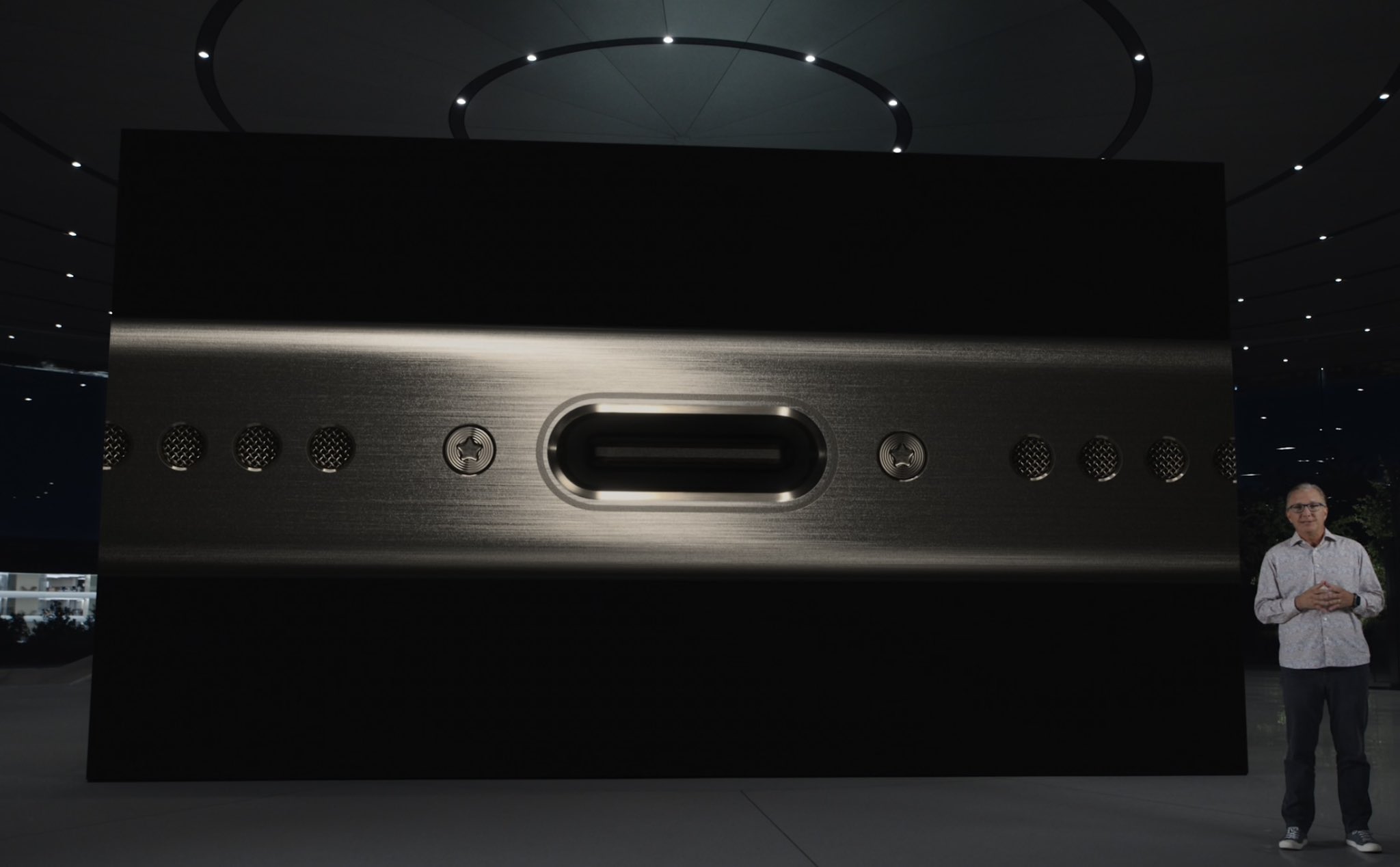
Photo courtesy of @andrewjclare/Twitter
Universalizing the charger makes it easier to find a cord when you need it. There have been many instances where I’ve been out with my Android-user friends and was unable to borrow a charger when my phone died. Because Apple’s Lightning chargers were specifically designed for their phones, Apple users have simply been out of luck when the people around them used different chargers. However, with newer iPhones using USB-C cables, Apple-users can borrow chargers from their Samsung and Android-using friends. They can also borrow chargers from other devices they own. Other pieces of tech like speakers, headphones, laptops and gaming consoles already use USB-C charging ports.
This switch will also save consumers money. According to the European Commission, charger universalization will save buyers €250 million, $261.6 million, a year on unnecessary charger prices. I personally benefited from this when I got my new phone. My iPhone 15 came with a USB-C cable in the box, but for some reason it wouldn’t charge my phone consistently. It would charge for about a minute before the connection dropped and my phone stopped charging. Initially I freaked out, thinking that I would have to go out and spend even more money to charge the new phone that I just paid a fortune for. Luckily, I realized that my Nintendo Switch also used a USB-C charger. Because they share a universal charger, I was able to charge my phone without going out to buy yet another charger.
By decreasing consumers’ need to buy a new charger, Apple’s switch to USB-C will ultimately lead to a decrease in e-waste. According to Ruediger Kuehr, Head of the United Nations Institute for Training and Research Office, 54,000 metric tons of chargers are wasted globally each year. This number is expected to decrease with the universalization of chargers. When you have chargers on hand from other devices, you don’t need to buy new chargers as frequently. Also, if smartphone corporations aren’t phasing out chargers you already own, you don’t need to throw out old chargers or buy new chargers as often. Ultimately, this mandate means that consumers won’t need to buy as many chargers moving forward, cutting down the amount of cords that would otherwise end up in a landfill.
Not only does adopting the USB-C port make it easier to share chargers, save money and decrease waste, it also makes the charging experience better. According to Lifewire, a site that shares and analyzes technological news, “USB-C offers a higher power delivery rate than Lightning and delivers a faster charge under the same voltage.” In other words, the USB-C charger is more effective than Apple’s old Lightning charger. This means that Apple-users won’t have to wait as long to recharge their battery completely.
Ultimately there are a lot of reasons why Apple’s switch to USB-C chargers is beneficial to consumers. The change moves our world closer to charger universalization making it easier to share chargers, save money and create less e-waste. It also improves the rate at which Apple-users can charge their devices. While the switch will require Apple-users to abandon their old Lightning chargers, it is an overall step in the right direction.




 The USD Vista
Leave a comment