
Students and campus recreation weigh in on the issue
Riti Dey/ Asst. News Editor
San Diego County experienced a lifeguard shortage this year. Students and staff at USD faced the effects on campus this summer, especially in the Campus Recreation Department.
The reason for the shortage on campus, as well as the public pool lifeguard shortage, is largely attributable to the COVID-19 pandemic. Several public pools were shut down due to public health concerns over the virus. Since then, The LA Times reported that it has been difficult for pools to open up again because “the [pool] closures resulted in fewer qualified candidates [for lifeguards].”
While the USD pool may be back in the swim of things, Matthew McIver, the Recreation Programs Supervisor for Campus Recreation, reflected on the recent shortage and its direct repercussions within Campus Recreation.
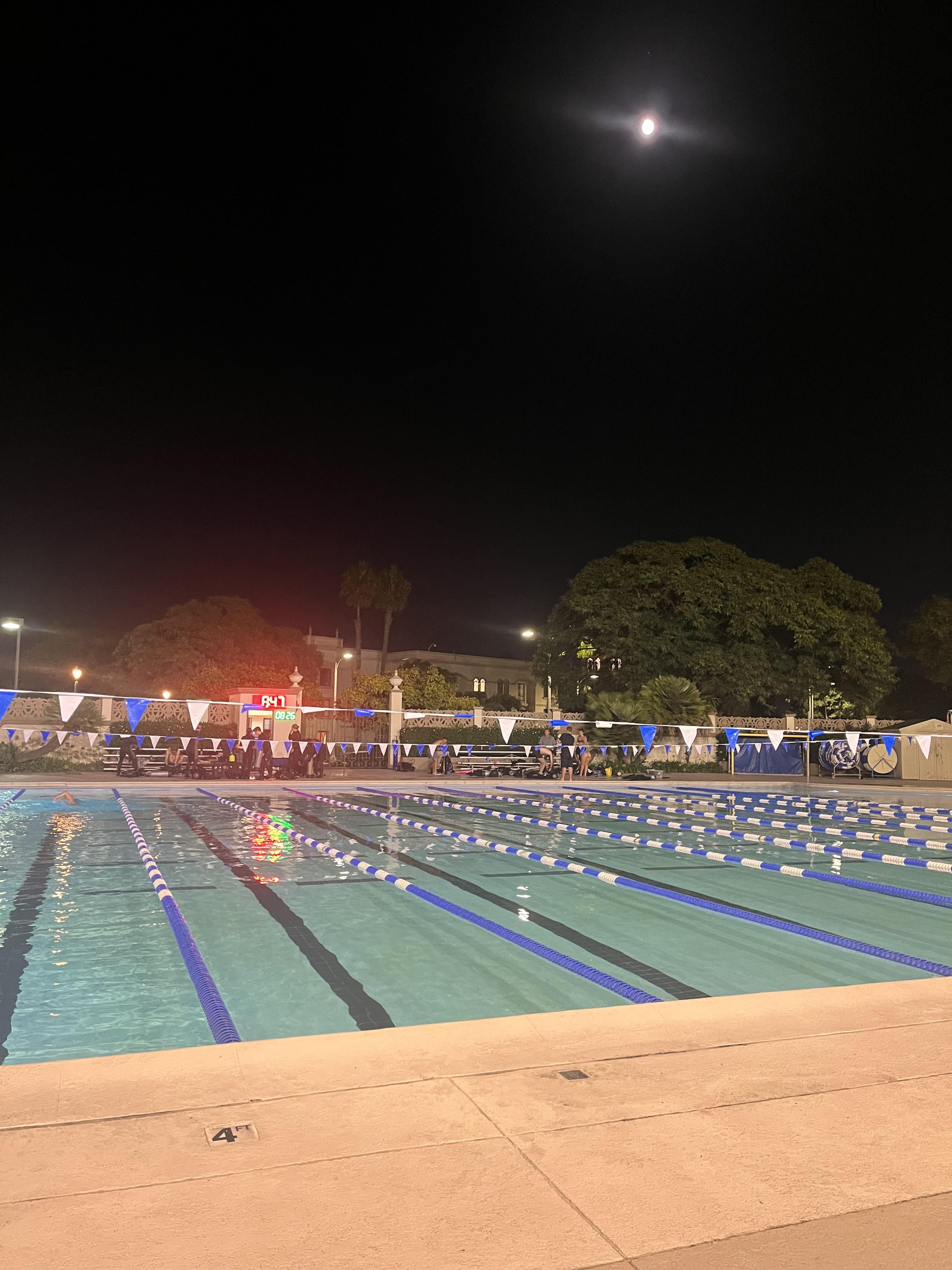
“I think we have definitely noticed the effects of this shortage,” McIver said. “When we post for the position to the public, the number of candidates we receive that are interested in the position — I would say — has dropped since we restarted the program, after the pandemic in summer 2021.”
He also described those who are interested in lifeguarding at USD.
“In the last three summers, our lifeguard/swim instructor staff has shifted and been mostly made up of USD students who showed interest in working in our program — some of them with prior experience, and others who are getting their certification and teaching lessons for the first time.”
McIver explained that while there has not been a shortage of USD student lifeguards, the interest from San Diego community members to lifeguard at USD has decreased over the last few years. The issue extends to the larger San Diego community and the rest of southern California. The entire county has been experiencing the aftermath of the shortage over the last two summers.
“I do recall last summer, someone from off campus reaching out to our area asking if we had spare lifeguards,” McIver said. “I think they were also facing similar hiring difficulties at our sibling schools, with our colleagues at SDSU and UCSD.”
USD first-year Molly Marley discussed her lifeguarding history and how the pandemic affected her workplace in Southern California.
“I got my lifeguard certification in May 2021,” Marley explained. “After the pandemic, there were different kinds of protocol at my specific workplace.
When I worked as a swim instructor, we had to wear masks inside the pool, which was definitely an adjustment.”
Along with pandemic ramifications, Marley also honed in on the added element of increased heat. “On hotter days at the beach camp, we had to be more aware of heat exhaustion, dehydration and making sure the kids have sunscreen on.”
Similarly, USD junior Hailey Yocam — who worked as a lifeguard and swim instructor over the summers at USD — explained how the pandemic exacerbated safety issues in the pool.
“Since kids missed out on two years during COVID, we have been seeing more people who are not water safe,” Yocam remarked. “This means a lot of swim lessons we have been teaching are how kids and people can remain safe in the water, rather than technique refinement.”
It is important to note the history of lifeguard shortages in America. There have been reported lifeguard shortages for decades, and publications credit the shortages to various factors. Lifeguard shortages have often been blamed on the difficulty of the lifeguard certification process, which requires passing a series of swimming skills tests.
Lifeguarding is usually a seasonal job, which is another reason why many suspect that there are frequent shortages.
USA Today reported in July that “while the pandemic closures made shortages more visible, pools and beaches have long struggled to attract enough lifeguards — competing with other part-time, seasonal employers in food service and retail.”
The lifeguard shortage paired with increased temperatures have made recreational activity much more difficult, as with soaring levels of heat for longer periods of time, there was also record attendance at beaches and pools.
This was the hottest summer on record in the Northern Hemisphere. When there is a heat wave in San Diego, the county releases a list of “cool zones” that are open to the public for people to cool down. About 50 percent of these cool zones are recreation centers, in which people are free to use the pools. The lifeguard shortage creates potentially life-threatening situations in already life-threatening conditions.
Amelie Ramirez, the director of the Institute for Health Promotion Research at the University of Texas Health Science Center at San Antonio, refers to public pools and beaches as “a critical public health resource.”
“Pools and beaches can help people stay cool in record-high temperatures, and swimmers are less likely to die of drowning in bodies of water where a lifeguard is present,” she explained to the Indiana Capital Chronicle. “Having access to safe water recreation is really important, especially for underrepresented communities because many are disproportionately impacted by climate change and heat waves like the ones we just experienced.”
McIver explained the effects of heat on the usage of USD pool facilities.
“I think it’s safe to say that temperatures are one of the many factors that contribute to our facility’s usage over summer,” he said.
Yocam explained her love of the USD swim facilities, and the reason why she chose to be a lifeguard on campus.
“It feels good passing down life-long [swimming and water safety] skills and the love of swimming — a reason why I keep coming back as a lifeguard and swim instructor,” Yocam said. “It’s also nice to know what to do in an emergency and knowing that I can assist in a safe manner.”
As the weather cools down, the urgency of the lifeguard shortage becomes less pressing. However as temperatures rise due to climate change, safe water zones will only become more vital for summer recreation.

 The USD Vista
Leave a comment