ZOE MARIE ZAPANTA / ASST. A&C EDITOR
October is here, which means that the spookiest time of year is in full swing. The Halloween season is characterized by a multitude of fall activities, but one of the most common scary activities to do is watch a horror movie.
Scary movies, otherwise known as horror movies, are a genre of storytelling “intended to scare, shock and thrill its audience” according to Studiobinder. Horror has many different interpretations across its many sub-genres. These sub-genres each have their own distinct characteristics to set them apart, and across the different genres each of the movies have a core villain, monster or threat that creates a problem. Some of the sub-genres of horror include found-footage and slasher films. Found footage movies are framed as if they were recordings of events that have been discovered and relayed to the audience, such as “The Blair Witch Project.” Slasher films involve a killer stalking and murdering a group of people, usually by use of bladed or sharp tools. Other examples include supernatural or psychological. Supernatural horror has an emphasis on the afterlife like ghosts or demons, and examples include “The Exorcist” or “The Conjuring.” Psychological horror focuses on the horrors of the mind, causing characters to question their reality and sanity. A famous example is “The Shining.” These examples, though all uniquely different, still have one thing in common: fear.
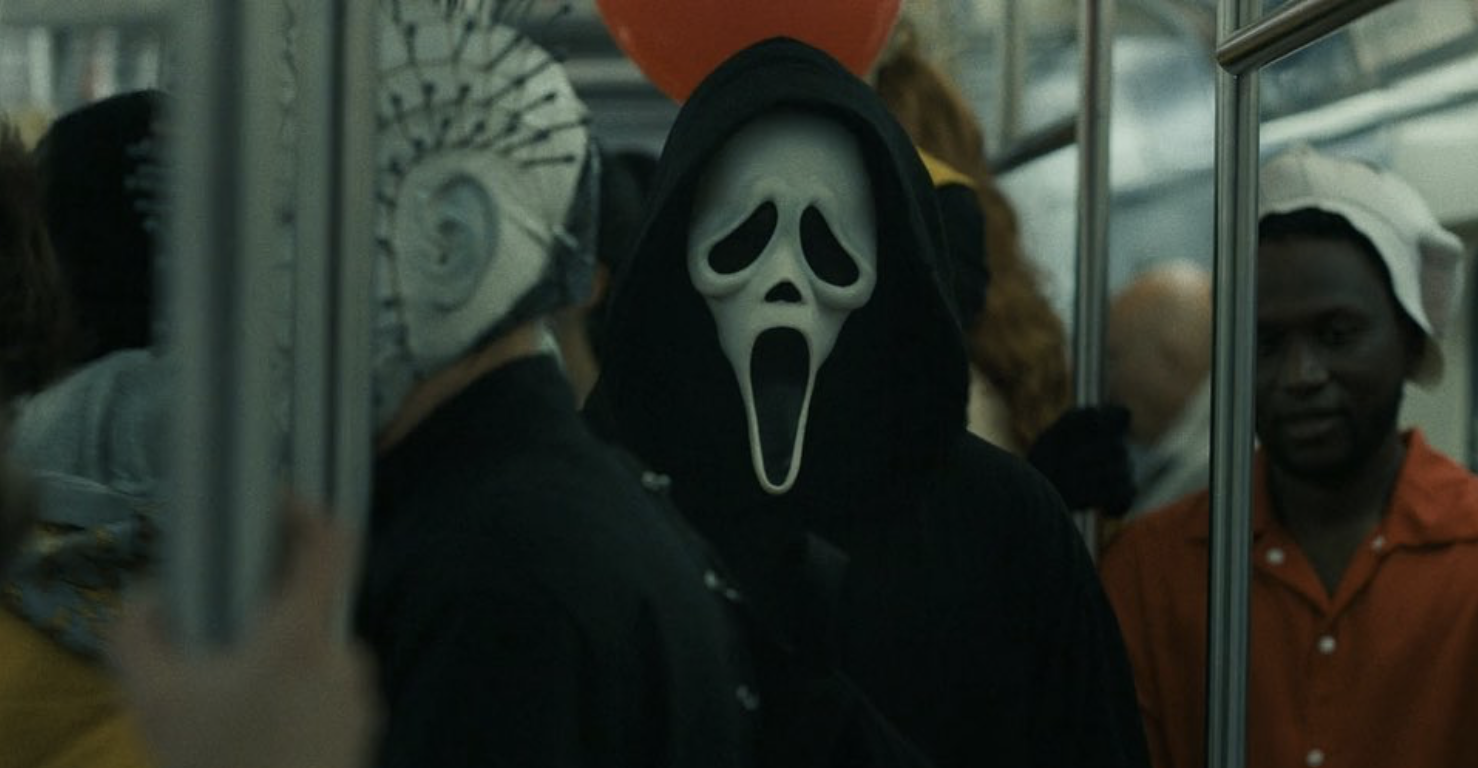
Photo courtesy of @horrormoviestills/Instagram
Although people willingly scare themselves by watching horror movies, there is an explanation behind their enjoyment of it. The co-president and vice president of USD’s Film Society, juniors Sergio Gomez and Noah Huang, offered their own reasons for the enjoyment of the genre.
“People like horror because fear gives people the feeling of excitement — hyper awareness, increased heart rate and a bit of adrenaline,” Huang said.
Gomez elaborated on the desire to watch a horror movie.
“Horror movies scratch a sorta primordial itch. The part of your brain that misses the adrenaline rush of running from a predator,” Gomez said. “The brain misses that feeling in a weird way, and horror movies provide that for us.”
To elicit an adrenaline rush in a way that appeals to the audience, there are certain elements and themes that make the “scariness” effective. USD film student, senior Ralph Cabrera shared his insights on what contributes to the success of horror effects and what makes horror movies so scary.
“I feel like sound design and scoring are probably the most important elements for horror films,” Cabrera said. “Most people pay attention to visuals for horror films but don’t realize what’s really scaring them are the sounds which help the build-up during intense scenes.”
Gomez shared his own perspective on this as well.
“Horror can be broken down to two themes: fear of death and fear of the unknown. And fear of the unknown comes from fear of something unknown hurting us, so it goes back to fear of death — or worse,” Gomez said. “Effectiveness comes from how they’re utilized. One of the best elements of horror that makes use of both of these is that of keeping your monster hidden. Only allowing the audience to see a brief flash of them, sometimes building up to a reveal. This keeps the monster unknown, and primarily terrifying.”
But horror can be so much more than thrills and jump scares. Horror can also reflect society and its fears as well as comment on current issues. USD Professor and co-director of the Film Studies Minor, Dr. Eric Pierson, shed some light on this phenomenon.
“I think the horrors of the mind are much more interesting than the person with the chainsaw. Reality is a very delicate space and when that space is altered it can be very interesting to watch,” Pierson said. “For example ‘Get Out’ uses the genre of horror as a tool to explore racism. ‘Rosemary’s Baby’ tells us a great deal about the price some are willing to pay for fame. ‘Frankenstein’ is more than just the monster, it is about the arrogance of man.”
There lies a fine line between the horrors of the mind and the fears that haunt our collective consciousness. The distinction between personal fears and those shared among society may not always be clear. However, horror movies can be more than entertainment, they can also be mirrors of societal anxieties that invite deep thinking.
As October unfolds its chilling embrace, the spookiest time of the year invites us not only to scream but to confront our deeper fears lurking in the shadows by enjoying a compelling narrative that goes beyond the screen, resonating with our reality.




 The USD Vista
Leave a comment