LILY ANDERSON / ASST. OPINION EDITOR
November is in full swing. While many of us are already counting down the days until winter break and the end of the semester, we must make it through Thanksgiving first. If you’re a foodie, Thanksgiving is probably your favorite holiday in the calendar year. Personally, I can already smell the deep-fried turkey my family always makes and the sickly sweetness of pumpkin pie wafting through the air. However, for some people, Thanksgiving can bring about an abundance of stress.
Though I’m a huge fan now, I spent multiple years absolutely dreading Thanksgiving. I had an unhealthy relationship with food and could not fathom the idea of celebrating a day that revolved around it. Many of my fears concerning Thanksgiving were exacerbated by how other peoples’ comments and the media portray the holiday. “Diet talk” and general negative food talk have become too normalized, and they harm everyone who is involved.
As explained in Psychology Today, “‘diet talk’ is when you spend time talking about calories, what you ‘should’ or ‘shouldn’t’ eat and shaming your body. [It] tells yourself, and others, that your body is somehow wrong or undeserving of food.”
While diet talk occurs year-round, it is especially prevalent during the holiday season, when celebratory dinners increase in frequency. It includes saying things like, “I’m going to need to start a diet after this meal,” “I’m being bad; I shouldn’t be eating this,” or “This has so many calories, I’ll have to skip breakfast tomorrow.” Many people don’t even realize they are participating in diet talk, because our society constantly perpetuates the idea of “good” and “bad” foods. Not only that, but our culture also prioritizes physical appearance over a positive relationship with food.
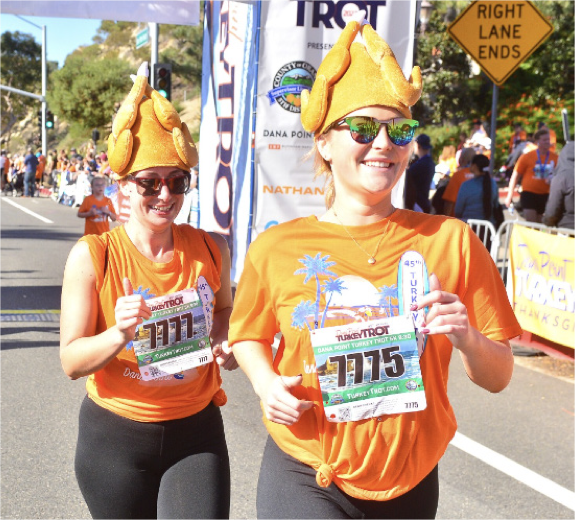
This fall, I nearly forgot that I used to have a negative mentality around food because I had worked hard to avoid reinforcing diet talk to heal my mindset. However, early last week, before November even began, it all got brought back up to the surface as I was signing up for a Turkey Trot race in my hometown. Their primary marketing strategy was to emphasize you should participate in the race to counteract the food you will eat later that day. They claim the race provides “assurance that you can eat your Thanksgiving meal without guilt.”
Reading that statement made me beyond angry. Exercise should never be about burning enough calories to deserve food. You always deserve to eat. Thanksgiving shouldn’t be concerned with the actual food on your plate but the opportunity to practice gratitude. Holiday meals shouldn’t add stress to people’s lives because they’re “breaking their diet.” Holidays are about spending time with the people you love. There is no such thing as “bad” foods unless it’s something you genuinely don’t like the taste of. Thanksgiving dinner may be different from your usual eating habits, but it is also just one singular meal that does not have the power to have substantial negative effects on your health.
It makes me devastated for my past self and everyone struggling with food to imagine them running on Thanksgiving morning just so they feel like they deserve to eat, or silently adding up the calories of their meal on their plate later that evening.
If Thanksgiving is a holiday that gives you anxiety because of the food involved, I urge you to reach out to someone who can help you work through your fears. Student Wellness here at USD has counselors who are available to talk and many other resources if you need extra support. Timely Care, which all students can access, also has guided meditations tailored to body positivity, mindful eating and nourishment that you can quickly access from home.
When dealing with diet talk, remember that someone else’s words reflect their own thoughts, not yours. They are simply projecting their internalized issues, and you do not have to make them your own. Sometimes, it is also helpful to just blatantly change the subject when food comes up or leave the conversation if it is going to have a negative impact on your experience.
If you feel comfortable doing so, let the people around you know if they say something you think is harmful. This provides a learning opportunity for both parties and may prevent future instances from occurring again. If you feel yourself getting anxious about food while you are eating, try focusing on the way things taste and the aspects you enjoy rather than negative attributes like calories and nutritional facts.
You may unintentionally participate in diet talk and want to break free from this habit. Luckily, there are steps you can take to end the cycle. First, self-awareness is critical. Recognize when you’re about to comment on calories, “good” or “bad” foods, or body shaming. Then, consciously redirect the conversation towards more positive and inclusive topics. Encourage discussions around the joy of shared meals, cherished family moments and the gratitude that Thanksgiving represents.
Second, educate yourself about the harms of diet talk and the importance of fostering a healthy relationship with food. Understanding the impact of such conversations on yourself and others can motivate you to change. Last, surround yourself with like-minded individuals who support your journey toward a healthier relationship with food.
This holiday season, one of the things I am most grateful for is the way that I have been able to turn my mindset toward food around. I now can be thankful for the food on my plate instead of fearful. I can participate in a Turkey Trot with my friends because I am healthy and fueled instead of exercising on fumes as punishment. A couple of years ago, I would have assumed this change was impossible, but I promise you that it isn’t. With hard work and support, anyone can achieve a healthier mindset, too.
Thanksgiving should be a time of celebration, gratitude and togetherness rather than a source of stress or guilt related to food. It’s an opportunity to cherish the people we love and the moments we share. Let’s collectively work to shift the focus away from diet talk, embrace a positive connection with food and ensure that this holiday season is genuinely joyful for everyone. Remember, you deserve to enjoy the festivities without judgment or guilt.
Photo Courtesy: Turkey Trots provide a fun form of exercise for Thanksgiving participants, but their marketing can perpetuate diet shaming.
Photo courtesy of @danapointturkeytrot/Instagram


 The USD Vista
Leave a comment