MARIA SIMPSON / COPY EDITOR
For the last several months, the phrase “I’m just a girl” has circulated online alongside numerous “girl” trends: “girl dinner,” “girl math,” “coquette girls,” etc. Many of these trends began as funny, cute and even relatable bits, but they’ve morphed into a dangerous statement about women, infantilizing them and showcasing them as a less capable “other sex.” Femininity should be able to coexist with feminism, and that needs to begin with women’s social media presence.
It is no secret that feminine qualities have long been viewed as “lesser than” in our culture. Being “girly” or overly feminine is seen as childish, unprofessional and even stupid. Many women, myself included, have found themselves purposefully straying away from all things “pretty and pink.” Luckily, many of those traits are being embraced now.
There were many social media trends in 2023 that echoed this reclaiming of girlhood, particularly for women who denied themselves of that joy in their younger years. However, many jokes and trends that began as forms of celebration lost their positive purpose and instead have dragged women back down.
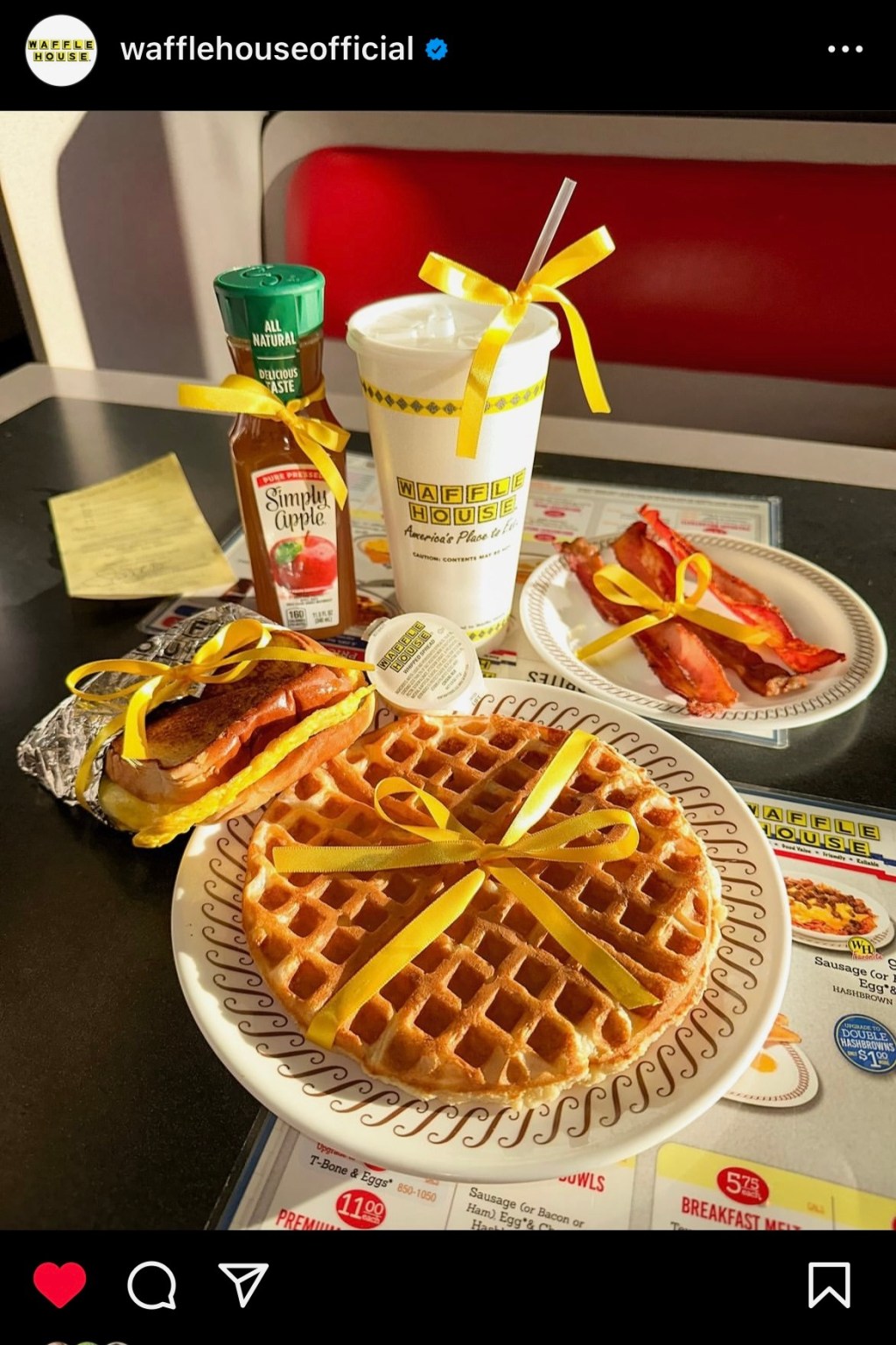
Recently, social media apps like TikTok, Instagram and X saw trends like “girl dinner,” where women post small, low-effort snacks as a kind of lazy meal, “girl math,” in which women brush their poor financial decisions under the rug and the “coquette” aesthetic which is characterized by hyper-feminine and delicate style, usually associated with bows. While these trends may seem harmless at first glance, the ripple effects of such trends are negative. Girl dinner promotes eating disorders, a challenge far too many women face in an effort to look a certain way. Girl math promotes the stereotype that women cannot understand or handle money. The coquette aesthetic glorifies a childlike appearance, which plays a role in infantilizing and simplifying women
Those problematic trends bled into outright appalling content made by women about women. I saw videos and posts where women stated outright that they “belong in the kitchen,” lamented that they have no desire to have a career or education and even articulated resentment toward past generations who fought for women’s right to vote, attend college, work any job, get divorced, own a credit card and more. What began as a fun joke has morphed into misogynistic mindsets.
The epitome of these trends and ideals can be seen in the trendy phrase, “I’m just a girl.” Women have made videos expressing their supposed inability to complete tasks or face difficult things on account of their being “just a girl.” I am in no way removed from this. I used the phrase lots of times myself as an excuse to avoid discussion of post-grad finances with my dad, to complain about a difficult assignment or to just not wake up early. As time has passed, I’ve realized how negative the impact of such a statement really is. When women avoid tasks because they are “just girls,” they are redirecting responsibility, not unlike the way the infamous phrase “boys will be boys” does for men. Except in this case, it paints women as incapable and unintelligent beings.
The phrase’s popularity on TikTok stems from No Doubt’s 1995 song “Just a Girl.” The song has been a feminist anthem, since its release and uses the phrase “I’m just a girl” in an angrily satirical fashion, pointing out how women are perceived as helpless. By using the phrase as an excuse — “don’t blame me for messing up, I’m just a girl after all” — women are vocalizing a need to be saved, as if they are incapable of helping themselves.
As the many “girl” trends have grown, they have become too prevalent in the way men view women, as well. As TikToker Madison Wild stated in a video, “‘girl’ is being used as an adjective instead of a noun,” and that adjective clearly translates to “childish” and “incapable” when taken in the social media context. These trends infantilize women, dumb them down and make them appear incompetent. If women are treating themselves as if those things are true, then it opens the door for men to do the same.
I’m not saying don’t be girly. Being girly is great, and reclaiming girlhood as something beautiful instead of shameful is so important. A mass celebration of girlhood ensued in 2023, perhaps prompted by pop culture phenomena such as Greta Gerwig’s “Barbie,” Taylor Swift’s “The Eras Tour” and Beyoncé’s “Renaissance World Tour.” By dressing up, trading friendship bracelets and enjoying these experiences together, women found comfort and connection in their femininity this year, and I believe for many women it was an experience that helped them reclaim their girlhood in a healthy way.
Personally, I love being girly, whether that means dressing up just to go to class, getting my nails done or listening to “basic girl” pop music. As Taylor Swift, the basic pop queen herself, once said, “I want to wear pink and tell you how I feel about politics.” Emphasis on “and.” Those things are not mutually exclusive. You can dress in a feminine way and feel empowered in your body, whatever that looks like for you, but don’t leave your brain behind.
Instead of using femininity as an excuse to avoid hard work, personal challenges and difficult conversations, women should embrace all of those facets of themselves. I am not “just a girl.” I am a girl who is smart, fun, capable, brave, independent and so much more. Critical thinking and strength can go hand in hand with femininity. Let’s do better as women and prove that being feminine and being a woman does not detract from one’s intelligence and power.
Even corporations like Waffle House have joined in on the coquette trend. Photo courtesy of @wafflehouseofficial/Instagram




 The USD Vista
Leave a comment