LILY ANDERSON / ASST. OPINION EDITOR
The golden age of cinema has come to an end. What used to be a cherished ritual for many — a chance to escape into another world with popcorn and candy in hand — is being replaced by a new era dominated by streaming services. Over the last four years, the amount of people attending movies has decreased by 50 percent.
A significant shift has occurred in how people consume media in the past decade. Services like Netflix, Amazon Prime, Hulu and Disney+ have revolutionized the entertainment landscape, offering endless films and TV shows at the click of a button. As a result of COVID-19, people were forced to stay home, and these streaming services grew even more in popularity.
The comfort and convenience of watching movies in one’s living room is undeniable. Why venture outside when the entertainment can come to you?
Economic considerations add to the convenience of streaming. The cost of a single movie ticket, not to mention concessions, can be prohibitive for those on a budget. As college students, it’s hard to justify a $10 bag of popcorn on top of a $17 ticket.
On the other hand, a monthly subscription to a streaming service costs significantly less and provides access to a wide range of content. Netflix and Hulu cost around $8 a month, and many people share accounts with their family and friends, decreasing the cost or removing it entirely. This economic factor has influenced many to favor their couches over cinema seats.
Also, the social aspect of movie-going has changed. Social media and digital communication have reshaped our interactions, making the movie-going experience less unique. People can share and discuss movies online through Reddit, Instagram and dedicated movie review apps such as Letterboxd. While there is undoubtedly something special about experiencing a film in a theater, the communal aspect of movie watching can now be virtual and asynchronous.
Despite these challenges, considering what might be lost if movie theaters disappear entirely is still worth considering. There is an undeniable magic in watching a film in a darkened theater, where the world falls away and only the story on the screen matters. Nicole Kidman certainly seems to think so. Movie theaters offer an escape, a safe haven where the outside world is temporarily forgotten. The larger-than-life screen and the booming sound system don’t just play a movie; it creates an experience that is hard to replicate. It’s a place where we’ve laughed, cried and shared moments with friends and family, creating memories that last a lifetime.
Theaters are not just entertainment venues; they are important cultural institutions. This past summer, “Barbie” became a phenomenon where many viewers dressed up and watched the movie in large groups of friends. Similarly, “Taylor Swift: The Eras Tour” took the world by storm, making the environment more of a sing-along rather than your typical, quiet experience. These moments define our culture, and it’s up to us to preserve and support these institutions.
Given these factors, it’s clear that the movie theater industry needs to evolve rather than disappear. Some theaters have already begun to innovate, offering unique services that go beyond the traditional movie-watching experience. For instance, the Lot Theater in Liberty Station offers dining options before, during and after the movies it shows, as well as reclining couches instead of chairs.
The Rooftop Cinema Club Embarcadero is precisely as it sounds: an open-air rooftop theater in Downtown San Diego with Adirondack chairs and local brews. Cinema Under The Stars is another open-air theater with zero gravity recliner chairs and the ability to rent the theater for special events. These theaters are not just places to watch movies but destinations that offer a unique and memorable experience.
That being said, these theaters usually come with slightly increased ticket prices, making the economic issue come back into focus. However, I’d rather pay an extra couple of dollars for a unique experience on a special occasion.
I have tickets to see a new horror movie called “Abigail” in theaters. This will be my first time going to the movies in months, and the only reason I went last time was to see “The Eras Tour.” Although I know I will spend most of my weekend budget, I’m excited to be surrounded by the scent of buttery popcorn and to down a large Coke ICEE so quickly that I get a brain freeze.
As a child, going to the movies was my favorite thing in the world. My dad used to take my brothers and me out of class early to see movies like the latest “Transformers” movie. I don’t want movie theaters to become a memory of the past. I hope that they can once again become a frequent activity.
There are ways to make going to the movies more affordable as well. By purchasing your tickets through the University Center Ticket Office here on campus, you can save $4 to $17 off your AMC and Regal movie tickets. AMC has also introduced a new monthly membership program where you can see up to three movies a week for as low as $19.95 a month.
Cinemas must continue adapting to new ways to draw audiences off their sofas and back into theater seats. They need to leverage the thing streaming services can’t offer — an experience, a communal moment that can’t be paused or scheduled at one’s convenience.
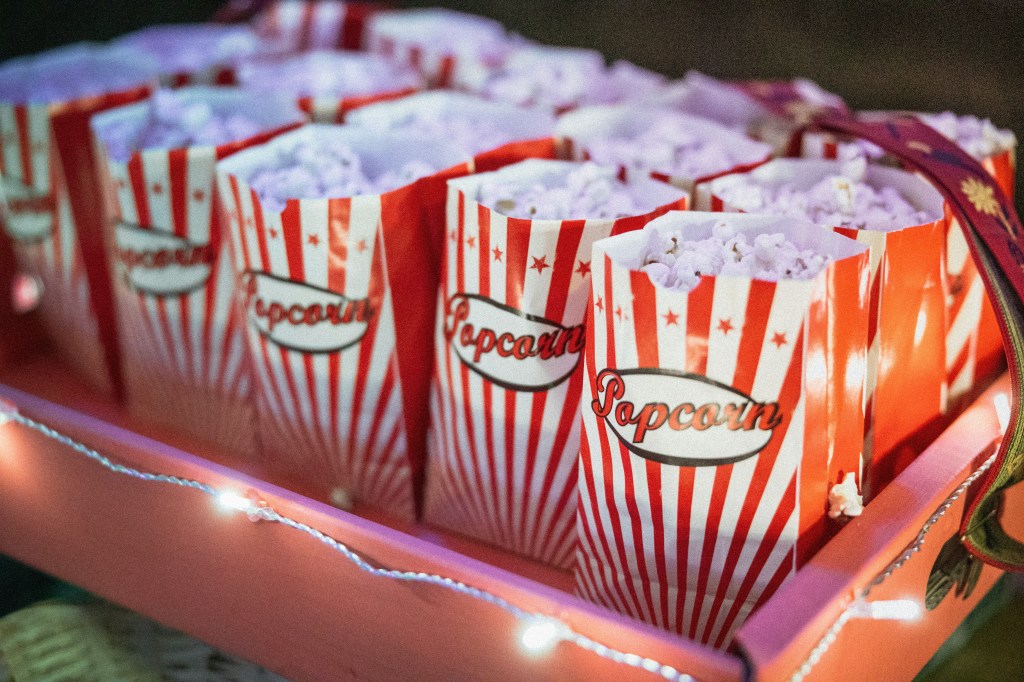
Snacks are an essential part of the movie theater experience, including the famous movie theater popcorn and ICEEs. Photo courtesy of Corina Rainer/Unsplash




 The USD Vista
Leave a comment