KATIE FOREMAN / FEATURE EDITOR
The hardest part about doing anything is starting, which USD graduate student Addis Sansone can attest to after writing his new poetry book,“Sunflowers.” Writing a book can be a tricky enough process, but the most daunting step to some is then having to find a publisher. Sansone shared how he ended up self-publishing his book and the path that other students can take, if they have ever thought about writing/ publishing their own book. Here is a guide to self-publishing.
Step 1: write.
Sansone emphasized that it took him four to five years to write the entirety of his poetry book. He communicated that writing can be a very “in themoment” type of thing — he would jot down whatever came to mind, when he got inspired.
His advice for other writers is to keep moving forward with your writing, and stay true to your writing’s intentions.
“You just have to hold on to whatever your purpose or belief or theme you’re wanting to publish,” Sansone said. “You have to really, just believe inyourself. You have to just remind yourself, it’ll be worth it.”
Step 2: find guidance.
Sansone had been writing his poems for over four years, but once he had all the material, he didn’t know where to start.
“I had a lot of content, but I had no idea of what to do,” Sansone said.
Sansone found his mentor, Malachi Black, through the USD Writing Center.
“I went to the writing department and just asked, ‘Hey, I’m trying to publish a book. Who do I talk to?’ And that’s where they said ‘there’s a professor, Malachi Black. He is a poetry department lead.’ And so I went up to him and I scheduled a meeting with him, and he gave me this kind of guidance.”
Professor of English and Director of the Cropper Center for Creative Writing, Malachi Black, was a large part of Sansone’s publishing journey. Sansone highlighted how crucial it is to have a mentor.
“Use the faculty members,” Sansone said. “The resources on this campus, although we’re small, there’s so much care… [students] will be successful due to just people caring and I think that’s what a small community [like USD] really provides.”
Having a mentor taught Sansone how to go about this process and be his own publisher.
“I recommended some reading to him and I also kind of made him aware of the various opportunities that were available to him,” Black said. “There’s something in poetry that is healing, and resonant and restorative and also deepening… and poetry is a place of peace, with a fruitful provocation, certainly. But every poem is a temple in its own way.”
Black explained how he wants students to take advantage of writing resources on campus, including the Alcalá Review, a student-run literary magazine, creative writing events on campus, readings and other events through the Cropper Center for Creative Writing. He also encouraged students interested in writing and self-publishing to consider taking courses in creative writing and poetry.
“Everybody who’s pursuing an education at USD has a rare opportunity to access a number of experts in ways,” Black said. “You can really derive a lot of value from exposure to their expertise.”
Step 3: explore the options for publishing.
“There’s usually about three different ways to get published: get picked up by a publishing house — the most brutal, classic ideal that we have — we can publish academically, like academic journals or you can self publish and then do local events to create awareness,” Sansone said.
Black helped guide Sansone by being honest; he said that trying to go through a publishing agent could take around five years to get the book published.
So, Sansone decided he wanted to publish it himself — he went through a website called “BookBaby,” the platform that allowed him to publish “Sunflowers.”
Black also explained there is the platform blurb.com where students could publish their work.
Step 4: edit.
“[There were] a lot of weekends where I was just grinding in the morning just trying to review and re-edit and revise and revise and revise.”
The self-publishing platform, BookBaby, had specific formats and requirements for their submissions, which is why Sansone spent a lot of time editing his work. The overall process of submitting, revising and publishing took around 10 months.
Although the editing procedures took some time, Sansone asserted it was worth it.
Step 5: find an illustrator.
Taking an organic approach, Sansone reached out to the USD community for help.
“It sounds silly, but it’s actually highly effective to do the classic printing out brochures and ‘Help Wanted.’ … I put up a ‘help wanted, I’ll pay you $500 for illustrations.’”
Although it seemed like a shot in the dark, Sansone posted the signs on the bulletin boards across campus and eventually had around 20 people reach out to him. He recommends this grassroot approach.
“You never know, it only takes one.”
Step 6: make finishing touches and print the books.
“The most rewarding part is that once you receive the physical copy for the first time, there’s an overwhelming amount of joy that you actually accomplished something that at one point is this vision and dream in your head that was non-tangible. And [you] know all the hours and weeks and years of effort.”
Sansone said he knows this journey can seem like a lot, but the last step of revision, illustration and getting the novel published is what will bring your voice into the world.
“Once you get it [done], it’s almost just unbelievable that you actually accomplished it.”
These are the steps Sansone took in order to publish his book of poetry and wanted to share, in order to help other students in reaching their own dreams and realize that they are possible while at USD.
“I think everyone has an extremely beautiful way to show the world themselves and it’s just a matter of taking the time to do that,” Sansone said.
Through the support of USD staff and students, Sansone was able to make his dream of publishing his own work come true. Black reflected on why writing is so important to him.
“Language that makes its ownmusic.And it’s a very, very irreplaceable and inimitable resource, so I just wish poetry for all, and especially for all of our students,” Black said.
To other students wanting to pursue poetry or self-publishing, it can happen. Starting may be the hardest part, but with the end goal in mind and the encouragement of the USD community, it is possible.
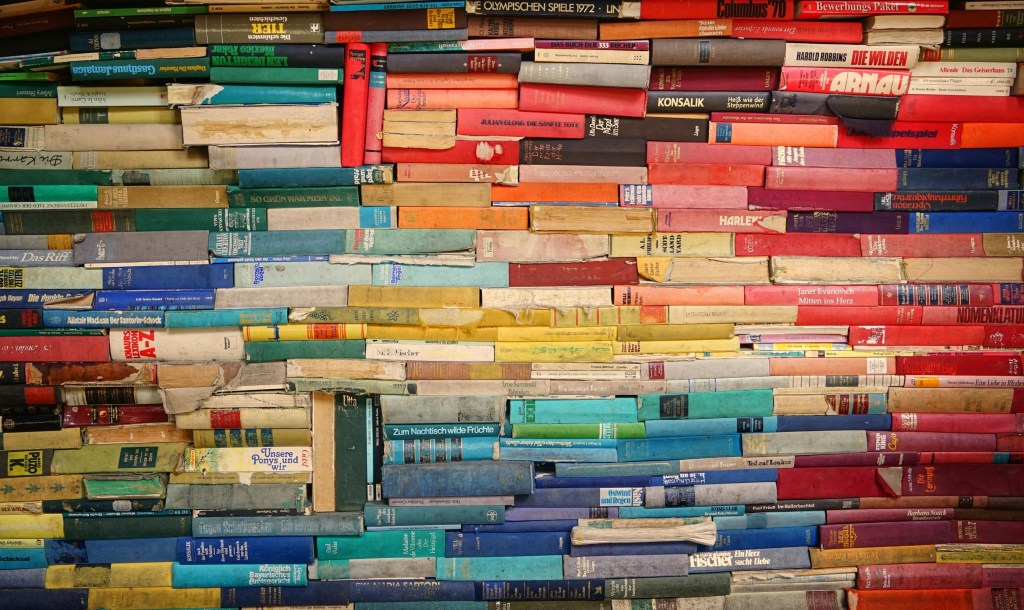
The USD Writing Center and Cropper Creative Writing Center supports students in writing and publishing. Photo courtesy of Robert Anasch/Unsplash

Sansone smiling at the support he received during his reading in O’Tooles for his new poetry book ‘Sunflowers.’ Photo courtesy of Jessica Applonie


 The USD Vista
Leave a comment