ALEX KUETER / ASST. OPINION EDITOR
The views expressed in the editorial and op-ed sections are not necessarily those of The USD Vista staff, the University of San Diego, or its student body.
The United States is a representative democracy, formed through citizens voting for officials to represent them in the courts, senates and other elected positions. These elected officials make decisions on behalf of the people in the area they represent, which is why it is so important to vote. There are many different types of elections, including presidential, midterm and off-season elections. With 2024 being a presidential year, the electoral process has garnered increased attention. However, with a history of low voter turnout, the U.S.’s election may not attract as many voters as people think.
Elections are not just something to watch on the news, but a vital part of democracy to engage in. Despite the importance of elections, people do not show up to the polls in significant numbers. According to the Pew Research Center, presidential elections typically draw about a 50% voter turnout, with the 2020 election being the highest in recorded U.S. history at 62.8%. These are incredibly low numbers, and they show how almost half of the nation disregards the incredible ability to vote. Because of this, I believe that the U.S. should implement a compulsory vote which requires all eligible voters to vote either in person or by mail on election day.
People need to recognize that voting is a privilege. In some countries like Saudi Arabia, India and more, women and ethnic minorities like Muslims, face large social pressure not to vote. Until 1920, women in the United States couldn’t cast a ballot. Some U.S. citizens are still ineligible to vote. People such as felons or those currently incarcerated in some states are not allowed to or need special approval to vote. Many legal immigrants or international students and workers who are subject to our laws and systems also have no voice to challenge them or enact change through voting. Because some people in the U.S. are unable to vote, you should acknowledge your privilege and vote when you have the ability to. Exercising your right to vote is an incredibly important power that too many disregard.
Voting is such an important aspect of democracy that some countries, like Bolivia and Australia, actually fine or penalize the citizens who don’t show up on polling day if they don’t have an approved reason. I think this method could be incredibly effective in the United States because, while online campaigns and voter registration efforts have been successful at registering voters, not enough people turn up at the polls from them. Creating a voting requirement here in the U.S., with some exceptions, would not only ensure more people participating in democracy, but it may also motivate political leaders to do what is best for citizens.
In Australia, where voting is compulsory, politicians have more rapid turnover rates, according to The Australian Election Study. This voting requirement prompts politicians to cater to voters’ needs — lest they be ejected. If politicians in the U.S, also faced such pressures, some officials might potentially work harder to solve issues since it would be easier to vote them out. Since many local elections have depressingly low turnout rates, it is often the same people being re-elected every year, which could be decreasing their motivation for change or meaningful effort because they know they’ll be re-elected soon.
Presidential elections aren’t the only elections that face low voter turnout rates. Local and state elections are often overlooked. In San Diego at the 2022 general election, only 44% of registered voters proceed to vote. This is reflected across all states, where large federal elections draw a big crowd but local events are almost always under 50% in turnouts.
This trend is concerning due to the fact that many policies affecting our everyday lives are created at the state or local level. Requiring people to vote could help encourage people to research their local issues and actually see changes reflected. Some people become defeatist at the thought of voting in presidential elections because most things stay the same or it doesn’t feel like the candidates are very different. This could be because they aren’t voting in the right elections for their issues. Many issues that Americans argue about, such as taxes, reproductive rights, roads, homelessness and more are localized issues that the president doesn’t affect. These issues, especially abortion, are completely dependent on the state officials’ policy.
While requiring people to vote has many benefits, there are some potential downsides. It can be argued that requiring people to vote would be removing their democratic right to object or could create a host of accessibility issues. While citizens of the United States are granted a right to vote, that right allows them to not vote as well, to refuse to cast a ballot for either candidate because they don’t condone or agree with either candidate. However, I think this logic is incredibly flawed. If one refuses to vote, it’s not as if no one will be elected and we will start over. Someone will always need to represent the country.
Alternatively, accessibility issues are very real. While all states have some form of a “mail-in vote” that citizens can use if they cannot make it to polling stations, obtaining these ballots is no small feat. Some states such as Tennessee require multiple in-person voting appearances before you can register for a mail in ballot. Furthermore, states like Georgia have reduced the number of ballot drop off boxes and shortened the timeframe for returning mail-in ballots. It is true that for the U.S. to implement a compulsory vote, these issues would have to be remedied. But if these issues were fixed, compulsory voting should not become an accessibility issue for those who struggle to vote in person.
As Americans we have many civic duties and responsibilities, such as voting, jury duty and paying taxes. But voting for the people who will lead our country and change our ways of life is one of the few not required by law. Citizens are not simply able to refuse to do their taxes because they disagree with the IRS or not show up for jury duty because they don’t feel like it; it’s their responsibility to our country. Voting should be no different. Requiring people to vote in the U.S. would increase turnout dramatically, which could increase public knowledge on politics and laws that affect them, and hopefully keep politicians accountable to create a country that better represents its people.
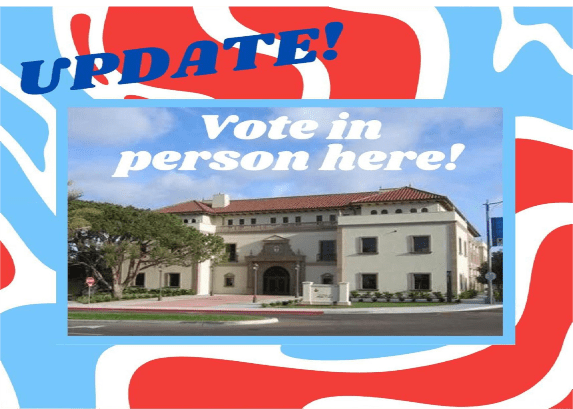
You can now cast your vote on USD’s campus. Photo courtesy of @usdvotescampaign/Instagram



 The USD Vista
Leave a comment