
EMMA PIRHALA / NEWS EDITOR
On Election Day, California voters not only voted for a presidential candidate, but they also marked up their ballots to vote on state-specific measures — known as propositions. California utilizes propositions as a direct democracy initiative. Rather than most laws, which are passed by legislators, propositions give citizens the ability to voice their opinions on the state’s legislation. This year’s ballot included 10 propositions, covering topics such as crime, affordable housing and environmental issues.
Many USD students who are registered to vote in California voted in the proposition section.
USD senior Emmanuel Anjeh is a California native who voted on the propositions. He described his process of voting.
“I had prior knowledge about a few of [the propositions],” Anjeh said. “Some about making marriage a constitutional right for gay people, I had prior knowledge about that one. The others were a shot in the dark.”
Of the propositions, six are currently projected to pass with a majority vote. However, not all ballots have been counted. California Secretary of State Shirley N. Weber issued a statement to the press regarding the total ballot count as of Nov. 7. According to Weber, 10,728,985 million ballots have been processed and 5,472,423 million ballots are awaiting review. At this time, it is unclear whether these uncounted ballots will adjust the projections of the passed propositions. However, the measures which have passed will soon start to impact Californians.
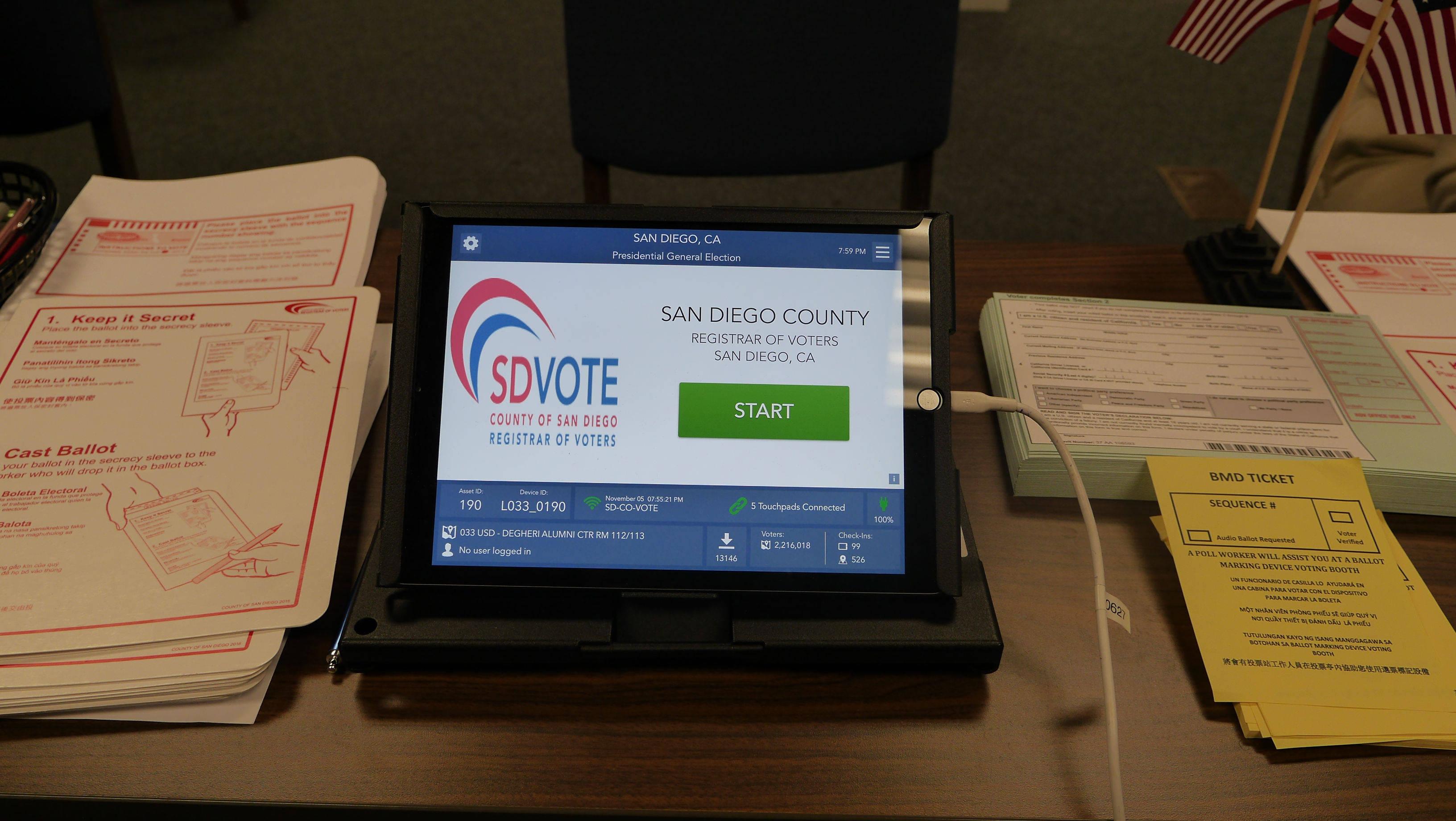
Voters were able to register prior to voting at the Degheri Alumni Center. Jackie Marquez/The USD Vista
Proposition 36
Considered by many to be the most pressing proposition on the ticket, California Proposition 36 increases penalties for some theft and drug-related crimes. Proposition 36 converts the possession of certain drugs and thefts under $950 to a felony charge, rather than a misdemeanor for repeat offenders. The measure passed with an overwhelming 70% majority, as of Nov. 12. The proposition passed amongst complaints about crime on the streets and theft at retail stores. Those in opposition of the measure question if the proposition will cut down on crime.
Proposition 3
California Amendment 3 revisits LGBTQ+ rights and removes language from the state’s Constitution which delineates that marriage is between a man and a woman. The amendment has no impact on who is allowed to marry, but rather makes marriage a fundamental right for all, regardless of race or sex. Opponents of the law claimed that its passing could lead to child marriages, incest and polygamy. Supporters claimed that the amendment will help solidify gay rights. However, the amendment passed with 62% of the vote.
Proposition 2
Proposition 2 authorizes $10 billion in bonds to renovate and construct public schools within the state. Those in opposition of the proposition claimed that the program will increase taxes for all Californians. Since the measure passed, California will borrow the $10 billion and repay about $500 million annually for the next 35 years.
Proposition 4
Another big ticket item on the ballot passed, authorizing another $10 billion towards water, wildfire prevention and land management. The measure came as Ventura County fights off wildfires. However, the proposition increased the bill yet again for California taxpayers.
USD first-year Madeline Churches explained why she supports the proposition, despite the increase in taxes.
“I think that since the money is going to a good cause, then it makes sense to vote for it — even if it raises taxes.”
Proposition 35
The passing of Proposition 35 requires the state to spend the revenue from the tax on Medi-Cal healthcare plans on other healthcare services for low-income Californians. Among the services that will be more accessible primary and specialty care, mental healthcare and prescription drugs. Within the state, many healthcare providers refuse to accept Medi-Cal because California has a low repayment rate. However, this new measure will increase the number of providers willing to treat those with Medi-Cal healthcare plans.
With the passing of the propositions on this year’s ballot, $20 billion of bonds were established, which the state will have to pay back. The introduction of new debt to the state raises some worries regarding taxes, as the state of California already has some of the highest taxes in the nation.
However, USD student and Californian Cavin Nguyen voiced his opinion on increased taxes.
“As long as the funds are properly allocated, I don’t have a problem with [the increase in taxes].”
California may see more legislative change in the near future as Governor Gavin Newsom vowed to safeguard fundamental rights in light of Trump’s re-election. Newsom called a special session of state legislators together to prepare for Trump’s inauguration. The session is slated for Dec. 2 and will focus on “Trump-Proofing” California from any national laws that may be approved under Trump’s administration.
The passed propositions will soon take effect and Californians will begin to see the impacts of their votes on the state.
USD community members voted at the polling center inside the Degheri Alumni Center. Jackie Marquez/The USD Vista




 The USD Vista
Leave a comment