ALEX KUETER / ASST. OPINION EDITOR
Semester long study abroad programs are an incredibly popular choice for many undergraduate students here at USD. For a semester, students are able to travel to one of over 30 different countries around the world and can live with a host family or in dorms. For these USD students, tuition abroad is advertised as costing the same as regular tuition for a semester at USD, and any scholarship packages a student receives will apply to their tuition abroad. This experience is most popular for first semester juniors, says the International Center, with some believing it to be a rite of passage for Toreros. It is often regarded by students who partake as the best semester of their undergraduate years, and many recommend it. However, traveling abroad for a semester can be difficult for people of lower socioeconomic status. This is usually due to additional costs associated with study abroad such as weekend trips, flights, food and more. Additionally, studying abroad can be less accessible to STEM students, who have less major related classes offered at the most popular universities abroad. Considering this, traveling on your own for a summer could be the perfect solution to both of these problems, and offers students an even more enriching opportunity.
Studying abroad is not cheap. Even though the cost of the university you attend will be the same price as your USD tuition, that price tag does not include meals or housing, which are much larger costs when abroad than one may think. But beyond that, one of the biggest financial draws to studying abroad is weekend trips. While not all students choose to participate, some enjoy traveling to nearby countries or cities on weekends or holidays to see more of what the country or continent they’re visiting has to offer. The prices of these trips vary and those that do travel say it is well worth the price, but there’s a better way to accomplish traveling around nearby countries.
Attending school full time at a university means you can only really travel on select weekends or holidays, and that your trips are restricted to only a few days. While that might be plenty of time to explore surrounding cities, I don’t believe it is long enough to actually explore new countries, or even other large cities. Cramming a week’s worth of adventuring into two-day weekends and the week’s worth of homework on the train or plane ride there means cutting corners. There will definitely be large parts of the traveling you miss out on. Traveling on weekends also means you can’t be very selective of when you travel. You could be restricted to every other weekend due to your school schedule, meaning you may miss the best times to visit certain places.
Traveling on your own during summer break would avoid all of these problems. Because you are not tied to a school, you can choose to stay anywhere and choose to move around whenever. Cheaper lodging can often be found further from schools, which is a big advantage. Furthermore, you’d be entirely on your own schedule. You can spend however long you want in any given place and really experience what the country you’re visiting has to offer. Traveling on your own allows you to select cheaper dates for travel rather than just packed weekends, further saving money and allowing you to have a more tailored experience.
Study abroad also tends to be very rigid. While all students are welcome to study abroad, some have an easier time than others accomplishing it. STEM students often struggle to find universities that offer their courses in a language they can understand. This is generally less of an issue for liberal arts students, but they may also find themselves facing issues as well. This leads many who travel to take the bulk of their core curriculum classes during that time. While this seems like a good workaround, taking only core classes for a semester can have a detrimental effect on learning progress, especially for STEM students. If you have to take a semester off from all sciences and then throw yourself back into chemistry eight months later, it may be difficult to pick up where you left off. Sciences build on the skills of the previous class, so leaving them for so long could lead students to forget and struggle to pick key concepts back up.
The issue of weekend trips also comes up again with academics. If you spend every weekend traveling or exploring your local city, you have almost no time to invest in academics and studying. Even if you try to keep up, homework can be the last thing on your mind when traveling. By traveling on your own during a break, you completely eliminate this problem. You are able to travel and adventure with no academic concern and can pick back up with school as soon as the next semester starts again.
While I believe that there are better alternatives to studying abroad for a semester, there are some major advantages to studying abroad. All students are helped with finding housing and have a local, built-in community of other USD students at the university they go to. Traveling alone can get both lonely and dangerous, so having people from USD to go with you can be really helpful.
Furthermore, studying abroad is a great way to immerse yourself in the local culture as a student rather than just a tourist. While studying abroad has the advantage of the USD community, there are all sorts of different communities that would be available in the summer, like hometown friends, USD friends, family and others. Traveling in the summer would allow you to choose friends who you can go with that may not otherwise have been able to travel. There are also countless websites, blogs and influencers who share tips, travel advice and more for people who want to see the world. You also have to figure out how to travel on your own eventually, so exploring for a summer would be a good chance to do so. Post college, you won’t have those resources to help you, so learning sooner than later is a good idea.
Studying abroad is a great experience for many people, but it does have its drawbacks. The programs are limited for people with STEM majors, can be very expensive and may not offer you time to travel as much as you want. A broadened world perspective is always a good thing. But looking at the cost-benefit of a semester abroad shows that a traveling summer can be better worth your while. Not only can you choose who you travel with and where, but it offers you a chance to take your time and enjoy more of the destinations that appeal to you. By traveling on your own, you can spend however long you want in any country you’d like, traveling through as you see fit without worrying about your English paper due on Monday.
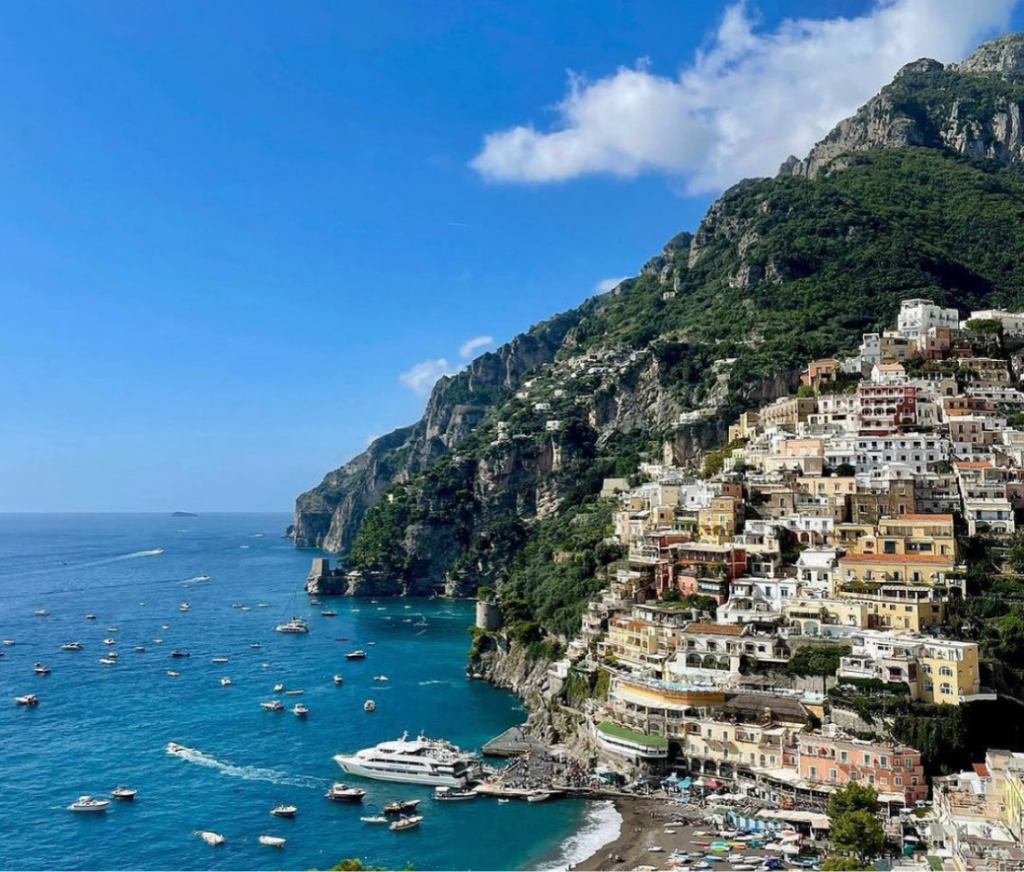
Traveling on your own provides students with opportunities to immerse themselves in new cultures and learn about them. Photo courtesy of @usdstudyabraod/Instagram



 The USD Vista
Leave a comment