MAE O’MALLEY / ASST. NEWS EDITOR
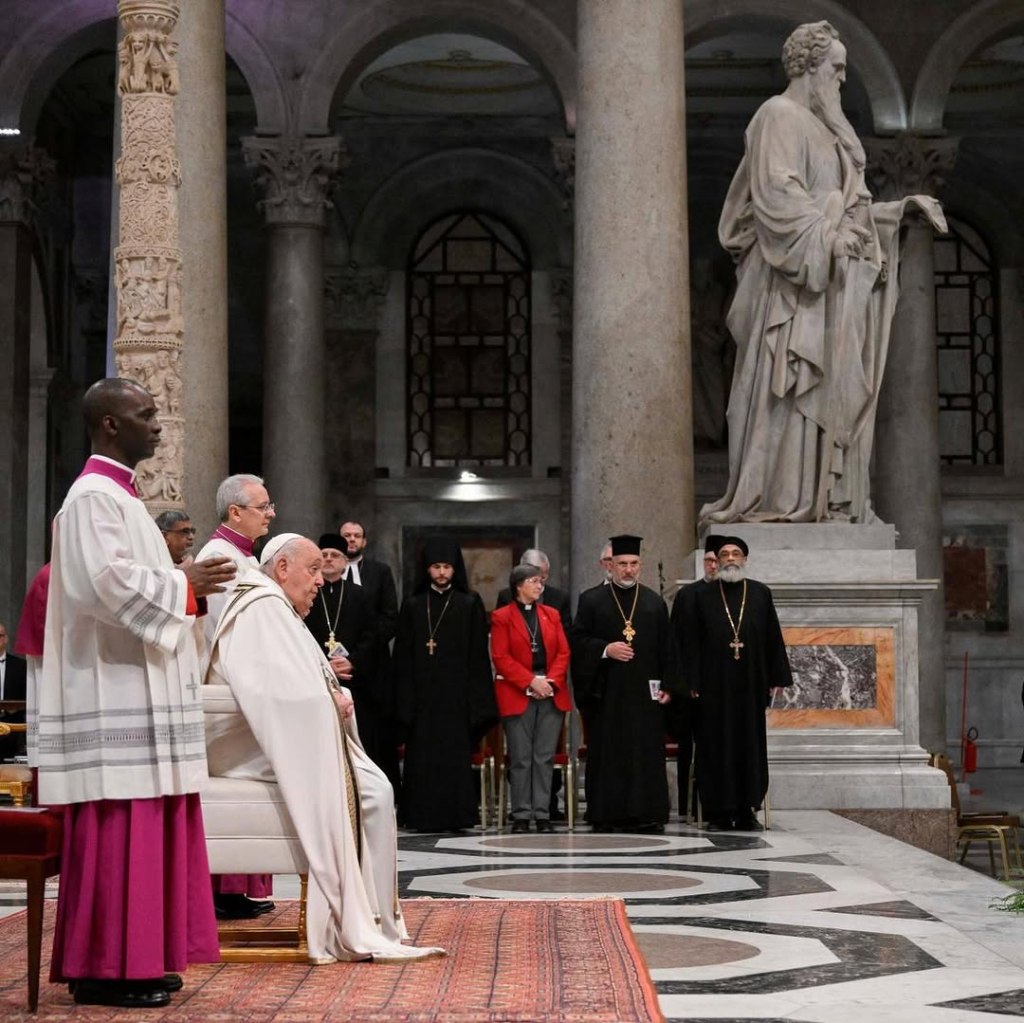
The pope is now in better condition after a long stint in a Roman hospital.
Pope Francis was elected to succeed Pope Benedict XVI in 2013 and has been recognized for his humility and informality compared to previous popes. He has made progressive changes by allowing women to be full members of departments within the Vatican, in addition to expressing sympathy toward members of the LGBTQ+ community. The pope has also focused a large amount of his papacy on climate change and has negotiated diplomatic relations between countries.
In March, the pope was admitted to a hospital in Rome with a respiratory tract infection that had caused pneumonia in his lungs. During the 38-day stay, other complications arose, including multiple respiratory crises and mild kidney failure. The pope’s personal aides, nurses and hospital staff feared that the end may be in sight for the Bishop of Rome. However, this past week, Pope Francis was discharged from the hospital by his doctors, but urged to rest. After making a brief public appearance, well-wishers could see the extent as to what the pope had faced in the hospital. Those who saw the pope in the flesh could see the visible decline and noted that his voice was weak, almost inaudible.
“I thank you from the bottom of my heart for your prayers for my health from the Square, I accompany you from here,” the pope stated, short of breath, in an audio message to the public. “May God bless you and the Virgin protect you. Thank you.”
Many people around the world, including USD students, stood in uncertainty as the pope’s health journey wavered. USD sophomore Lily Delahanty weighed in on the pope’s critical condition.
“He really needs to step down, he said he would,” Delahanty stated. “I really do love him though.”
The pope has previously stated that he believes the role of the papacy is a role for life, and has often ruled out or denied any allegations that he would step down. However, after his election he signed a letter of resignation in the case that a health issue prevented him from carrying out his duties.
Not only has the pope made strides in politics and activism, but he also serves as a nostalgic and fatherly figure in the Catholic Church. Many remember where they were when the pope assumed the papacy.
“I remember the day he became the pope,” Delahanty commented. “I was in third grade and went to Catholic elementary school, so it was a really big deal. My crush hugged me. I will never forget it.”
Others look up to the pope and see him as an influential figure in the Catholic Church. Grant Chucri, a USD sophomore, looks to the pope as a symbol of comfort.
“I have a spiritual connection to the pope,” Chucri stated. “I am rejoicing that he is doing better. He kind of feels like my grandpa in a way.”
The pope’s doctors recommended that he take a two-month recovery period wherein he will be making less appearances. The pope has returned to the Apostolic Palace, his home within the Vatican. He will remain on oxygen and has been instructed to stay away from large groups of people. Doctors also noted that as the Catholic leader’s condition improved in the hospital, his sense of humor and dignity returned as well.
Though some students had not heard the news about the pope, they still worry about how his health may improve or decline. USD sophomore Katelyn Linaugh was unaware of the pope’s condition.
“I don’t even know what was wrong with him, but good for him that he’s doing better,” Linaugh added.
This time of uncertainty has also had many people questioning who the next pope would be. Though no successor has been chosen, there are many Catholic magistrates from around the world who are being considered. In order to be elected as the next pope, eligible cardinals will participate in a secret ballot in the Sistine Chapel. Cardinals must be under 80 years of age to be considered eligible to be an elector. Elections typically last between 15 to 20 days as four rounds of voting take place. A candidate is elected once they have received two-thirds of the majority vote.
Some of the options for those who may be considered include 70-year-old Cardinal Pietro Parolin. Currently, Parolin is the highest-ranking cardinal and he has been the Vatican’s secretary of state since 2013. Another candidate for the papacy is Cardinal Peter Erdo of Hungary.
Erdo is known for being rather conservative and has been outspoken in his opposition to divorced and remarried Catholics having the ability to receive the Eucharist. Cardinal Luis Antonio Tagle of the Philippines is also a front-runner for the role. Tagle would be the first Asian pope in the Catholic Church, and his politics have been described as left-leaning. Tagle has criticized the church on its attitude towards the LGBTQ+ community and unwed mothers.
As the pope’s health remains uncertain, Catholics await the news as to whether or not the pope will step down as well as how his condition will continue to change.
The pope is known for his kindness and open-mindedness compared to other popes. Photo courtesy of @franciscus/Instagram

 The USD Vista
Leave a comment