CADEN HAYNOR / NEWS EDITOR
The federal government shut down on Oct. 1 for the first time in almost seven years. The last government shutdown occurred in 2018 and was the longest in American history, lasting 35 days.
A government shutdown occurs when the federal government stops and reduces its operations because Congress did not pass the required laws that were needed to fund it on time.
Every year, Congress must pass a budget to pay for the government and all of its activities. This includes paying workers, running agencies and providing services. Congress missed their deadline of Oct. 1 to pass a budget. Now, there is no fixed deadline for passing a funding bill. When the regular annual budget is not passed by Oct. 1, Congress votes on Continuing Resolutions (CR), which are temporary spending bills used to keep the government funded.
Since the government shutdown, Congress has repeatedly voted to try to pass a CR. If a full spending bill does not pass, then the government cannot legally spend money on most of its operations.
Essential services that are necessary for national security and safety, including the military, law enforcement, air traffic control, border protection and the Federal Bureau of Investigations, will remain funded and operating.
The employees working in these services will be forced towork during the shutdown and will not be paid until the shutdown is over. Meanwhile, nonessential services, like national parks, museums and research programs will be shut down, sending their workers home without pay.
One USD NROTC midshipman went on the record to explain the effects of the shutdown on military personnel. Other ROTC members were not comfortable speaking on the record for fear of discipline or retaliation from their military superiors.
“The only thing that it really affects for ROTC students is tuition payments and the stipend,” the student stated. “Tuition payments go through on the 45th day of the semester and the military stipend comes out on the first and fifteenth of every month. There is quite a bit of scholarship money coming into USD which is nice for us and the stipend is $150 every two weeks as part of a scholarship. I use that for groceries. Since the tuition payment is coming up, it will likely get delayed. The only thing that really matters is if you are on active duty like our staff, who have to work, but don’t get paid.”
USD Associate Director of Media Relations representative Elena Gomez explained the University’s reaction to the shutdown.
“We’re not aware of any specific impacts on USD’s campus related to the government shutdown and we don’t anticipate any major issues in the short term,” Gomez stated.
Gomez responded to The USD Vista, stating that she contacted the Reserve Officers’ Training Corps (ROTC) Public Affairs team for further information. The USD Vista followed up on Oct. 5 to see if the ROTC Public Affairs team responded. Gomez stated that the Public Affairs team did not respond to university correspondence.
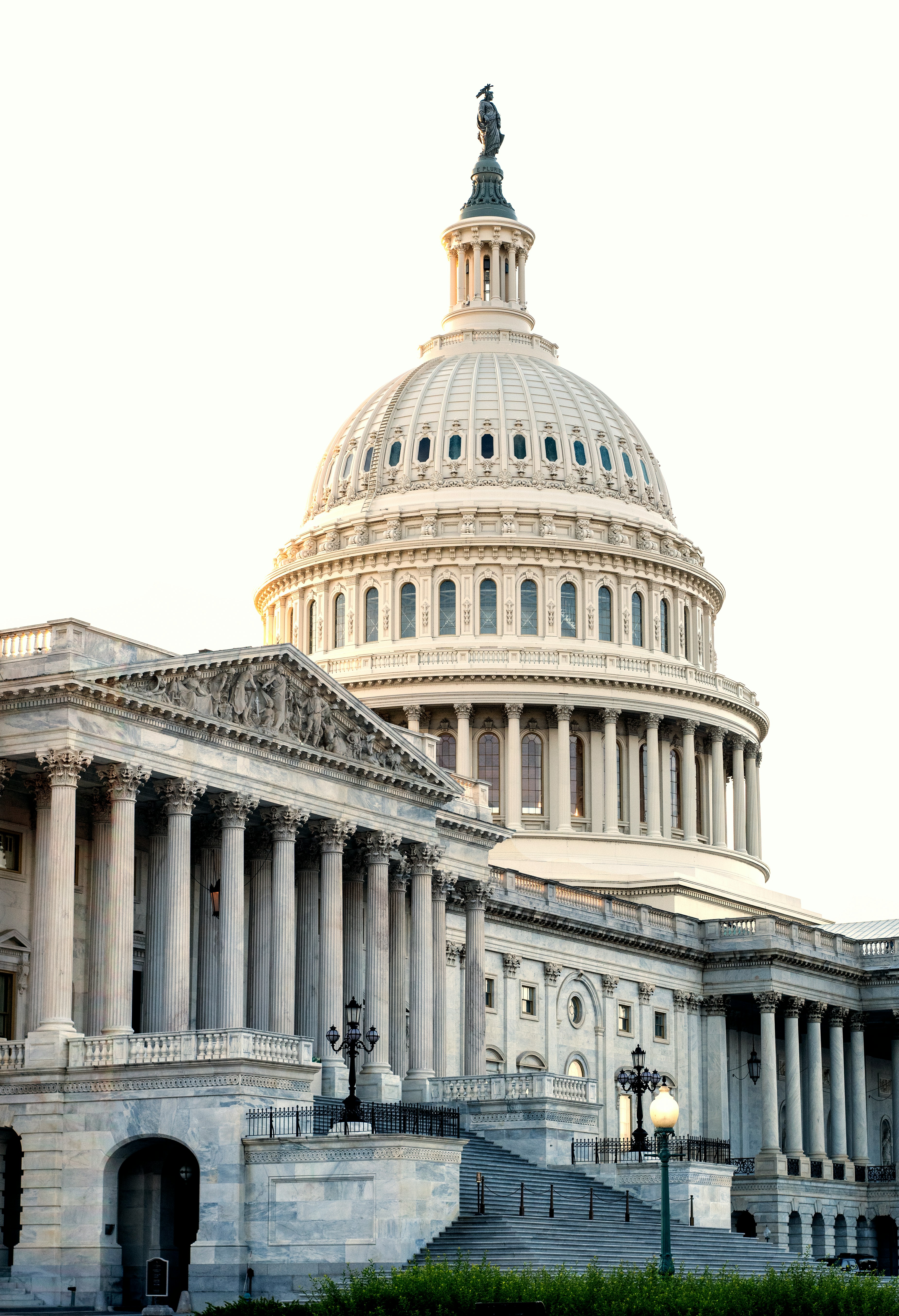
The government shutdown affects ROTC and military personnel who receive regular payments from the government. Photo courtesy of @Gabriel Tovar/Unsplash
This shutdown affects USD in a variety of ways, since the University receives federal funding. Most federal financial aid, like Pell Grants and Direct Loans, was distributed at the beginning of the semester, so there is minimal initial disruption. If the shutdown continues longer, new applications for the spring that would normally be processed could be delayed, especially for FAFSA.
Regardless of long term effects, the shutdown has halted certain government processes necessary for University function. Those processes being delayed means there will be work to catch up on once the government agrees on a spending bill.
While most U.S. spending remains frozen, USD students relying on federal funds and services will continue to assess how this shutdown affects their daily lives.
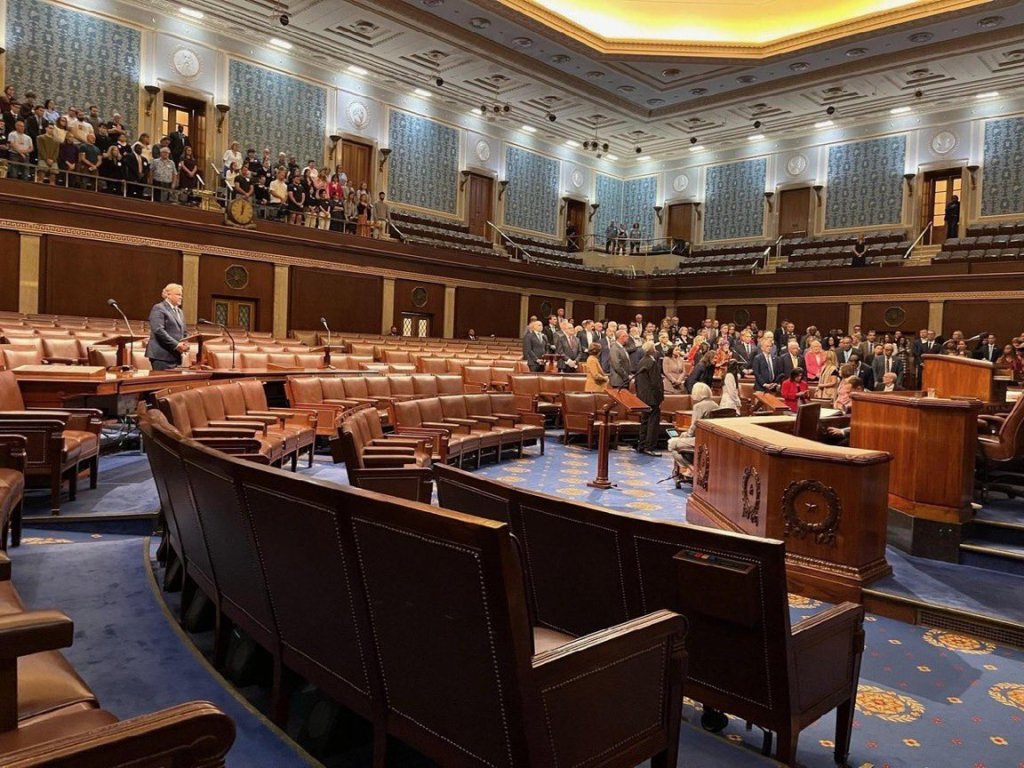
The U.S. government shut down on Oct. 1 after Congress was unable to pass a funding bill. Photo courtesy of @kmeeo/X



 The USD Vista
Leave a comment