
RILEY RAINS / ARTS & CULTURE EDITOR
ANJALI DALAL-WHELAN / ASSOCIATE EDITOR
Predicting the market is no easy feat. Economists use recession indicators as signals for a decrease in the market: factors such as increased inflation, a dip in stock prices and high rates of unemployment, all allude to negative trends in the economy.
Recently, on popular social media platforms such as X or Instagram, users label aspects of pop culture as “recession indicators.”
Whether it is used in earnest or in jest, the twist on the term clearly links current trends in pop culture to politics and the economy.
Anything can have the economic expression attached to it: Lady Gaga’s resurgence, coupons on canned goods or even the popular Sonny Angels.
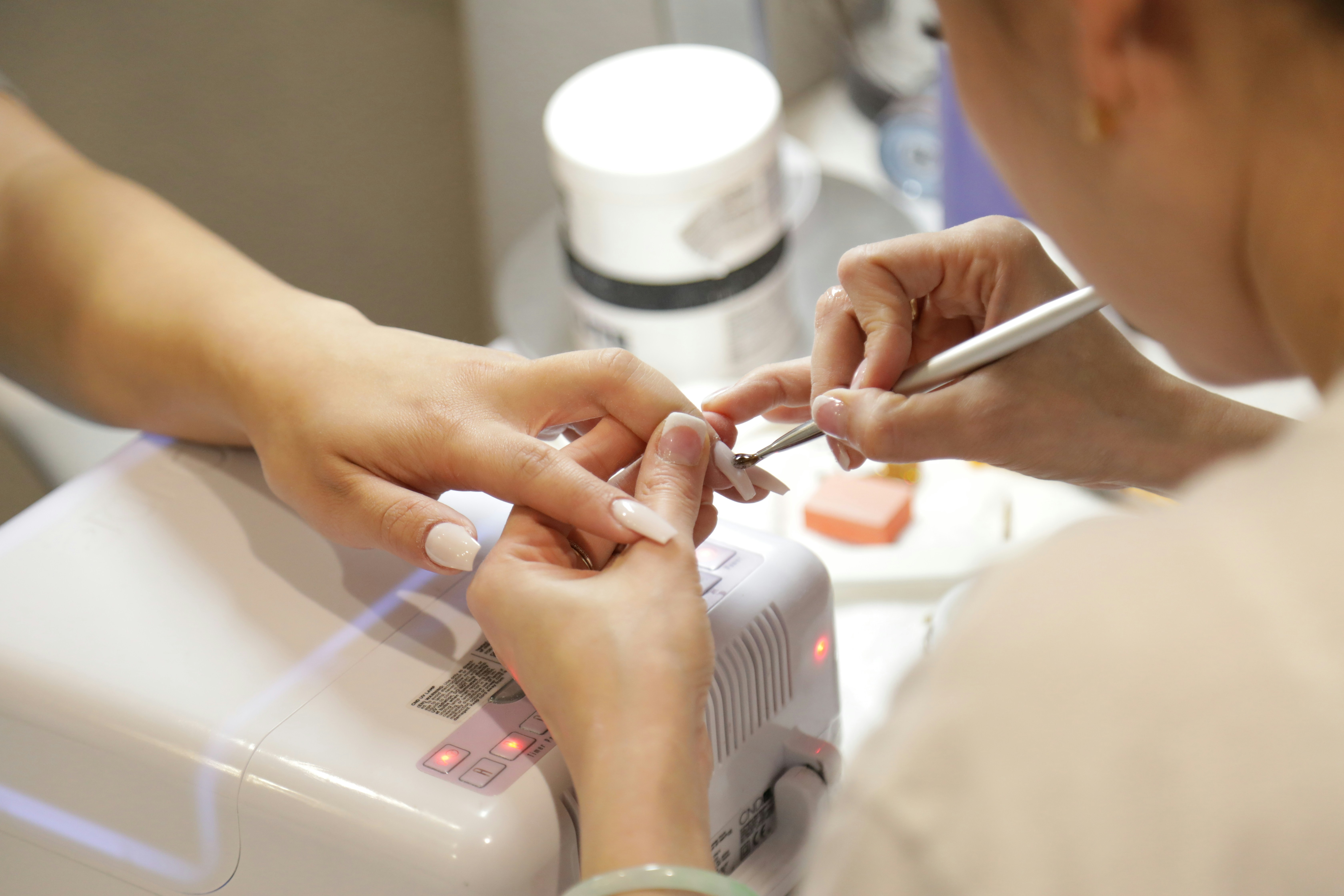
Some Toreros avoid salons in light of rising prices. @Giorgio Trovato/Unsplash
In 2008, during the Great Recession, there were a variety of recession indicators that spread their way through American pop culture. Upbeat tunes such as Rihanna’s “Don’t Stop the Music,” the Black Eyed Peas’ “I Gotta Feeling” and Katy Perry’s “Teenage Dream” all contain poppy beats and optimistic lyrics: a trend that helped Americans alleviate the stress of the Great Recession.
USD Spanish Professor Aldara Fernandez Sierra moved to the U.S. from Spain in 2007, and she commented on her experience surrounding the Great Recession.
“I couldn’t find a job in Spain after I graduated, in 2005,” Fernandez Sierra shared. “We were in the middle of the economic crisis in Spain, but people didn’t know about it yet. You could just feel it in the atmosphere. In my experience, The Recession affected opportunities – it ended up being why I stayed in San Diego.”
While some faced economic downturn more directly, others utilized the societal trends to distract themselves. Today, not all of the pop culture recession indicators are about coping — a lot of them glamorize saving money.
USD first-year Julia Few explained her go-to money saving strategy in light of being a college student in the current economy.
“I actually just made my own dorm matcha today,” Few said. “It was fire. I think it’s a great use of your resources to do that, and it saves you a lot of money.”
According to the National Coffee Association, 99% of all coffee and matcha products are imported from foreign countries. The mass reliance the U.S. has on foreign coffee products is leading to a 4% increase in drink prices monthly — something wholly unreasonable for most Toreros to keep up with. Fun, caffeinated drinks can cost in the double digits, so concocting drinks at home is an easy, and sustainable alternative way to save money.
Another way for Toreros to indulge on a budget is DIY nails. The phrase “recession nails” coined its way to popularity on TikTok, referring to the simple, non-acrylic style that has made a comeback. These nails have low maintenance, pink or white designs. The cost effective look has bled its way into campus life.
USD senior Khushi Patel described why she avoids salons.
“I started doing my own nails because it’s just really expensive having to go in every month to get my nails done,” Patel explained. “The amount of money starts to build up by going in every single month and getting $40–$70 expenses. Whereas I can just buy all of my stuff, I think I spent maybe $100, a little over $100 on everything and now I can do my nails whenever I want to, and it’s technically free.”
Another obvious cultural recession indicator is the resurgence of vintage style — something acquired through shopping at thrift stores, or “thrifting.” Secondhand consignment shops like Goodwill or the Salvation Army sell used clothing, trinkets and shoes all for a relatively low price. Like DIY nails, the cheap cost is the appeal. The best part is that for a lot of thrift stores, profits go toward charity.
USD first-year Chase Parker offered his thoughts.
“My mom goes thrifting a lot, and I know that a lot of college students do too,” Parker said. “I do notice a lot of things are getting really expensive. [Thrifting] is good because it’s cheaper.”
While thrifting, DIY nails and make-your-own coffee are all jokingly “recession indicators,” they are all essentially just trends that make fun of the turmoil in the economy. One prevalent trend is the classic white shirt and blue jean outfit. The easy combination is another recession indicator, because of its simplicity and relative affordability.
USD sophomore Rebecca Demonteverde criticized the idea of wearing only what is on trend.
“I understand the whole ‘recession indicator thing,’ but I think that people need to just stop following the trends,” Demonteverde asserted. “They need to grow a little bit of a backbone when it comes to their personal style.”
While these trends may not be as good at predicting the economy as the stock market, pop culture recession indicators are one of the ways that Gen Z makes light of an anxiety-inducing economy. Whether it’s brewing matcha in the dorms or thrifting a new outfit, students are finding creative ways to save without sacrificing fun.
Simple outfits have been trending which some people consider a recession indicator. @Brandymelvilleeuo/Instagram


 The USD Vista
Leave a comment