CADEN HAYNOR / NEWS EDITOR
EMMA PHILLIPS / ASST. NEWS EDITOR
This semester, the University received multiple reports of confirmed cases of hand, foot and mouth disease (HFMD) that have affected students on campus as of Nov. 10. These cases spread across multiple on-campus housing areas, including many first-year residence halls like the Valley A and B buildings.
HFMD is a viral illness that commonly causes sores in the mouth and a rash on one’s hands and feet. It is mostly spread through direct contact with a person who has contracted the disease and by breathing in the airborne virus.

Rashes on hands are one symptom of HFMD. Photo courtesy of @stellarpediatric/Instagram
USD first-year and Valley A resident Declan Lancas was exposed to someone with HFMD after he visited their room. Lancas shared his reaction to his exposure.
“I was super shocked,” Lancas said. “Everyone within our room started spraying down all of the chairs that he was sitting in and whatnot. And then the next day we saw him and he had bumps all over his face and we were like, ‘Oh my gosh we can’t get this,’ so we’ve just been distancing from [his room]… I’m definitely worried about it, I can’t get caught with that.”
USD first-year Madison Merlino lives in Valley B and shared what she knows about HFMD.
“I’ve heard that it gives you really horrible blisters,” Merlino said. “Everyone has been talking about it and saying that they don’t want to get it and they just put a whole hand sanitizer on our floor with a sign.”
Dr. Kimberly Woodruff, director of the USD Student Health Center, responded to students’ concerns about HFMD in a statement to The USD Vista.
“Like many common viral illnesses, HFMD is contagious and can affect people of all ages, including healthy adults,” Woodruff explained. “However, it is typically a mild illness in adults and can clear up within a few days. The virus is transmitted by close personal contact (including kissing and hugging) [and through] respiratory droplets from coughing or sneezing… HFMD is not uncommon on college campuses. It can spread in close communal settings, such as residence halls and shared workspaces. However, it can be prevented with proper health and hygiene… There is no cause for concern.”
Woodruff also shared what the University is doing to help prevent the spread of common viruses.
“In the coming days, the team from USD Facilities Services and USD Residential Life will provide extra cleaning in common areas as a precaution,” Woodruff stated. “The USDTimelyCare team is available 24/7 for virtual on-demand medical care… Students can speak with a medical provider at any time to address questions or concerns.”
USD first-year Morgan Beck responded to the University’s response to the recent spread of HFMD.
“I think that they’re handling it pretty well,” Beck said. “I don’t think, at least in Valley B, there hasn’t been a ton of people getting it. So, from what I’ve seen, I think that they’re keeping it under control pretty well. I’m going from a small sample size… but I have a couple buddies in Valley A and there it’s pretty bad.”
USD sophomore Gabriel Ambrose reacted to the spread of HFMD on campus.
“It’s really unfortunate living on campus with this,” Ambrose said. “You’re in such close proximity to other people, so it’s just hard. But it is cold season, it is flu season and sometimes these things come around. We can all play our part in making sure that we stop the spread.”
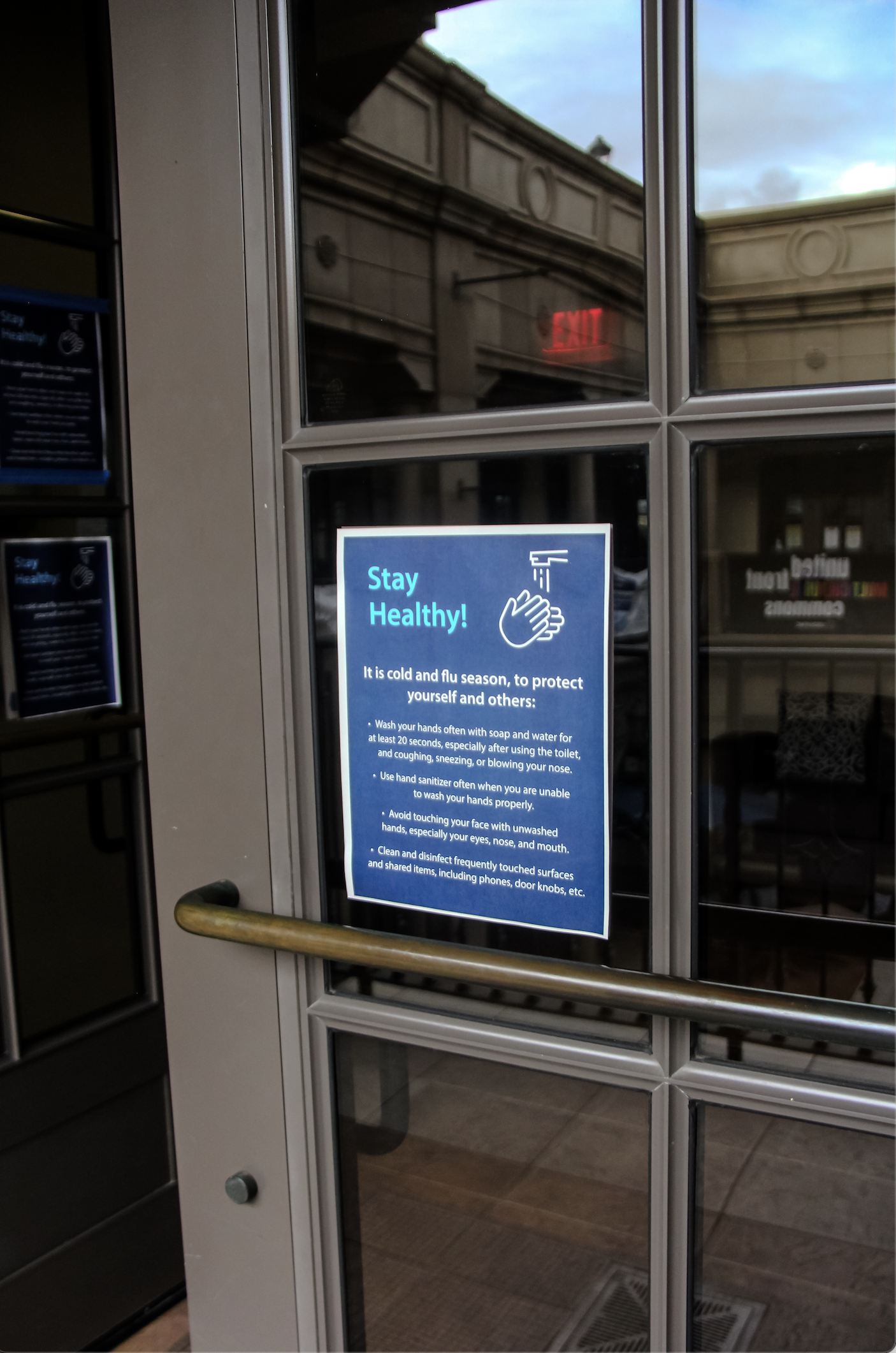
Signs and sanitizing stations around campus aim to prevent the spread of disease. Photo courtesy of @stellarpediatric/Instagram
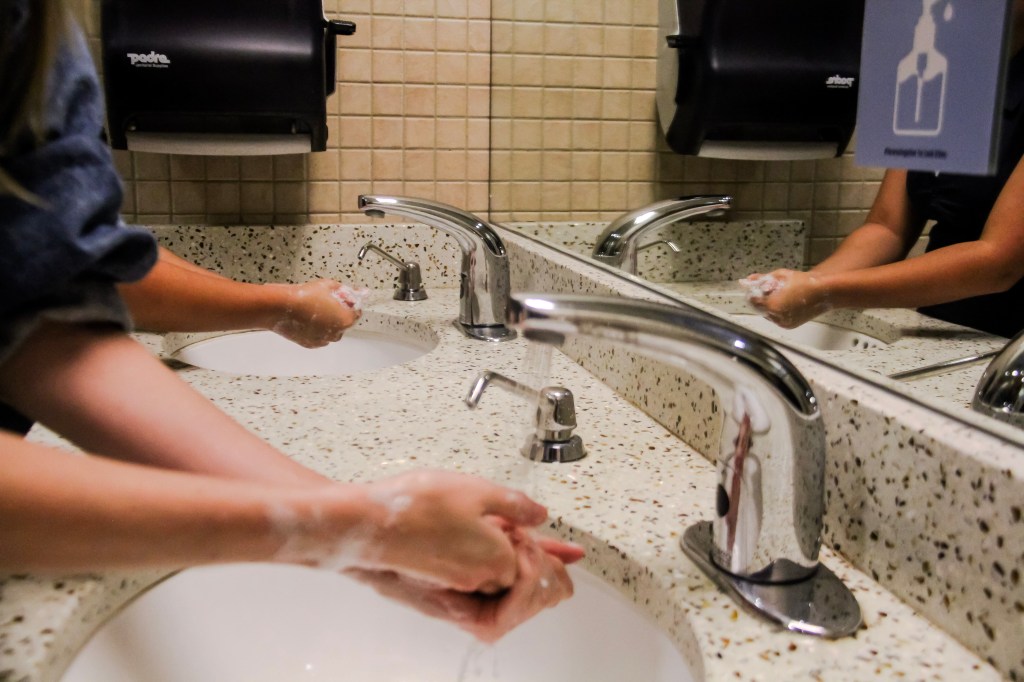
As a viral illness, some of the best ways to prevent the spread of HFMD are washing hands frequently, avoiding sharing items like cups and utensils, disinfecting surfaces and avoiding large gatherings of people.
Washing your hands is one of the most effective ways to prevent getting sick. Lara Dominique Solante/The USD Vista




 The USD Vista
Leave a comment