GABRIEL ROMERO / CONTRIBUTOR
The Winter Olympics, a 19-day extravaganza of winter games and snow sports, where the air has a bite to it and the snow flies, began in Italy on Feb. 6. Officially named the Milano Cortina Games, from the opening ceremony in the historic San Siro Stadium to the Dolomite Alps in Cortina d’Ampezzo, the event occurs across various parts of the host nation.
Much like the Summer Olympics, contestants from all over the world compete in 16 winter sports, including fan favorites such as figure skating and hockey. There will also be plenty of new sports, including ski mountaineering or “skimo,” a demanding event in which athletes climb uphill with skis, hike and then ski back down.
Many of the world’s top winter athletes will be on display in Italy, with powerhouse nations such as the United States, Norway, Canada and Germany. These teams will set the stage for fierce competition for the special medals that around 2,900 athletes from over 90 National Olympic Committees will clash for in 116 events on ice and snow.
Throughout the history of the Winter Olympics, Team USA has won a total of 330 Winter Olympic medals, second only to Norway with 405 total medals.
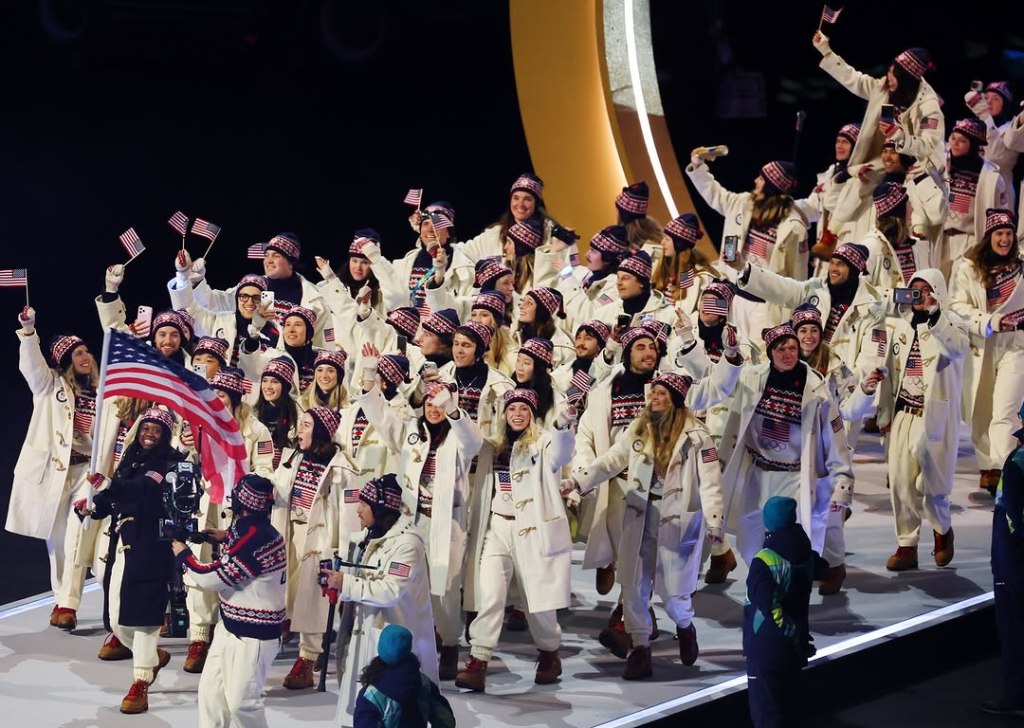
The athletes, representing the largest ever group America has sent to the Winter Games, come from all over the country, with 322 contenders in total.
USD senior and Boulder, Colorado native Kate Flaherty explained how immersive winter sports are in areas with plenty of snow.
“Not only were snow ball fights and building snow forts the go-to activity during snow days, but so was a lot of skiing and even using parking lots to skate,” Flaherty said. “Parents would put their kids on skis the moment they were able to walk.”
32 athletes will be representing Colorado, the highest number amongst all states, followed by Minnesota with 24 and California with 19. Colleges have remained a consistent channel to Olympic competition, with 84 members of Team USA being current or former NCAA athletes.
One athlete from Team USA, Lindsey Vonn, is gaining a lot of publicity, almost six years after her initial retirement from alpine ski racing. She has won three Olympic medals, one gold and two bronze medals. A week before her return to the events took place, the 41-year-old ski star ruptured her ACL in a crash while training, then proceeded to post a video to her social media of numerous workouts while wearing a knee brace on her left leg. During the women’s alpine downhill event, Vonn was set to race shortly after her teammate Breezy Johnson posted a time that would eventually earn her the gold medal. However, Vonn’s resilient run came to an abrupt end moments after it began, as she clipped a gate and crashed, resulting in a “did not finish.” The crash caused a fracture to her tibia in her other leg, forcing her to be airlifted off the course for medical treatment.
Moments like Lindsey Vonn’s return to competition despite already being injured show what the Olympic spirit truly represents. While medals often define winners and losers, with only three per competition distributed, the games continue to highlight risk and willingness to compete at the highest level regardless of outcome. That sense of awe extends beyond traditional winter-sport audiences, as it encapsulated USD first-year Connor Hughes who grew up in Hawaii, who said that winter sports always felt kind of exotic. “Watching all of the Winter Olympics looks cool, but also a little crazy since I’ve never really been around snow,” Hughes said. “That said, I still enjoy watching winter sports, as I tend to appreciate them more for the skill and scenery since it’s more of a ‘that’s awesome to watch’ than a ‘I could do that’ feeling.”
Beyond famous events in figure skating, snowboarding and hockey, eight new medal events helped make the 2026 Winter Games the most gender-balanced in Olympic history. One new sport in Skeleton racing features athletes sliding down ice tracks headfirst on steerable sleds in penguin-esque positions in what is considered the world’s first sliding sport. Freestyle skiing involves two skiers taking on parallel courses at the same time, as both competitors navigate the trickery of the course using technique along with swagger while judges decide who advances. Some changes were made to current events as well, with the alpine combined event now having two skiers split the duties with one tackling the downhill, and the other navigating obstacles.
Beyond the medals and matchups, the Milan Cortina Games are notably shaped by their dramatic settings. From the bustling streets, famous fashions and historic arenas of Milan to the snow-blanketed slopes of Cortina d’Ampezzo, the Olympics unfold across a landscape blending urban culture with old traditions. It is the Olympic games to be hosted by two different cities simultaneously .
Europe is widely considered the birthplace of alpine skiing, and the inclusion of the Dolomite Alps mountains marked a return to the roots of winter sports. Milan served as the central hub of the Games, hosting the opening ceremony — which featured Mariah Carey as one of the headliners — along with several major indoor events. San Siro stadium, typically home stadium to two of the bigger soccer clubs in the world, AC Milan and Inter Milan, was transformed for one of the most iconic ceremonies in sports.
As athletes chase Olympic glory across Italy’s iconic venues, fans around the world will witness the stories that make the Winter Olympics one of the most anticipated global events.
Team USA’s figure skating team walks out at the opening ceremony. Photo courtesy of @usfigureskating/Instagram



 The USD Vista
Leave a comment