DAVID COOK / OPINION EDITOR
I’m not against wellness. I think it’s important. Mental health awareness is a real step forward in a society that often glorifies burnout. Therapy helps people. Taking a wellness day instead of pushing through burnout is healthier than pretending exhaustion is a badge of honor. In many ways, we are better off acknowledging that stress accumulates and that recovery matters.
But I can’t help wondering whether part of the reason we need so much structured wellness now is that we’ve eliminated the simple, built-in forms of rest that used to be part of everyday life.
There was a time when waiting was just waiting. A long bus ride meant watching the rain slide down the window. A commute meant staring out into nothing in particular. Standing in line meant simply standing there. Your thoughts wandered. You weren’t absorbing headlines, replying to messages or comparing your life to edited reels. You were just there. It wasn’t labeled mindfulness. It was simply boredom, and boredom quietly did even more restorative work than we realized.
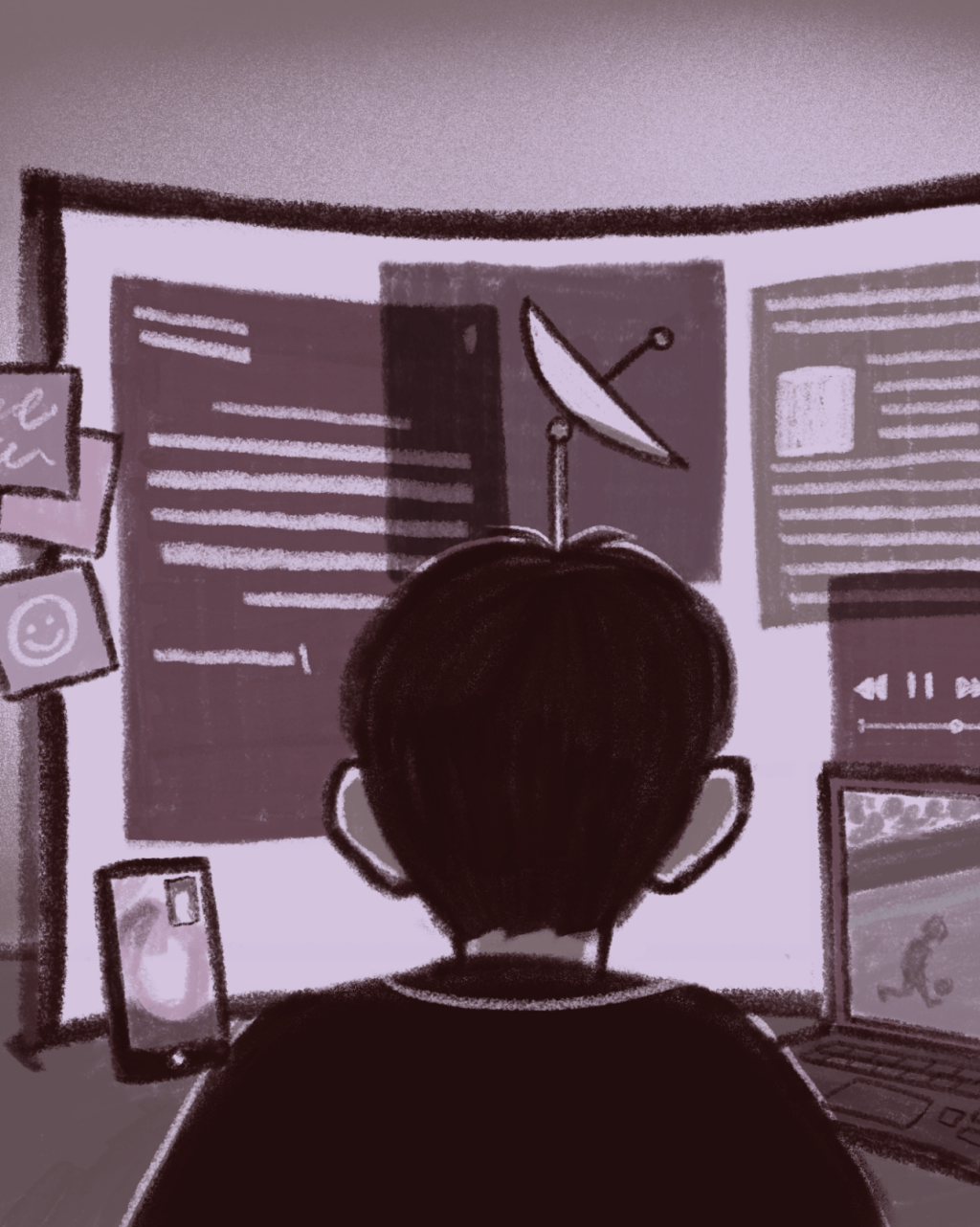
Now, those small gaps have disappeared. The second there is a break — a red light, an elevator ride or a pause in conversation — we reach for our phones. What used to be blank mental space is now filled with sports clips, news alerts, texts, emails, short-form videos and algorithmic noise. Every moment there is a break in reality, we grant ourselves permission to escape reality by reaching into our pockets.
When every idle moment is broken by a glance at a phone, the brain never fully powers down. That leads to overstimulation, which then accumulates into exhaustion. So, of course, we need wellness days. Of course, we need intentional resets. Of course, companies and universities formalize recovery. We removed passive rest from daily life, so recovery now has to be deliberate.
At the same time, the cost of wellness has risen dramatically. What used to be free — silence, waiting, mental spaciousness — is increasingly replaced with purchasable solutions: LED face masks promising rejuvenation, red light therapy panels for your bedroom, cold plunges, infrared saunas, wearable sleep trackers or monthly meditation subscriptions. None of these things are inherently bad. If they genuinely help people feel better, that matters. But, none of these methods of self-care are cheap, and it’s difficult to ignore how easily rest has become a product category.
There is something extremely ironic about that shift. The same devices that keep us constantly stimulated also market the tools to calm us down. The same feed that exhausts us promotes the solution to exhaustion. Wellness becomes not only necessary but commodified.
And that commodification isn’t neutral. Taking a wellness day assumes flexibility. Therapy assumes disposable income. High-end recovery tools assume financial margin. The people most overextended often have the least access to the most visible solutions. In that sense, wellness can quietly become another marker of privilege.
None of this is an argument for abandoning mental mental health programs or romanticizing the past. Previous generations had stress, too. They simply had more natural pauses built into their days. They weren’t connected at all hours. They weren’t consuming global news cycles before breakfast. They weren’t reachable every minute. Life was demanding, but it was not as constantly loud.
Wellness is important. I’m not arguing otherwise. But if we didn’t eliminate every quiet moment in our day, maybe we wouldn’t need to constantly repackage recovery as something to purchase. The cycle is hard to ignore: overstimulation, exhaustion, commodified relief, repeat. If we could really disconnect a little more often we might find that some of the rest we’re chasing was always available to us. We just stopped letting ourselves have it. So, the next time you are sitting alone, maybe take a moment to watch the raindrops fall.
In a world full of constant connections, a quiet moment is often hard to come by. Art by Kyra Lefebvre/The USD Vista



 The USD Vista
Leave a comment