CONNOR DUFFEY / ASST. NEWS EDITOR
He was a former California police officer. He picked avocados as a child in rural Mexico. He was also, by the time he died, the most wanted man in North America.
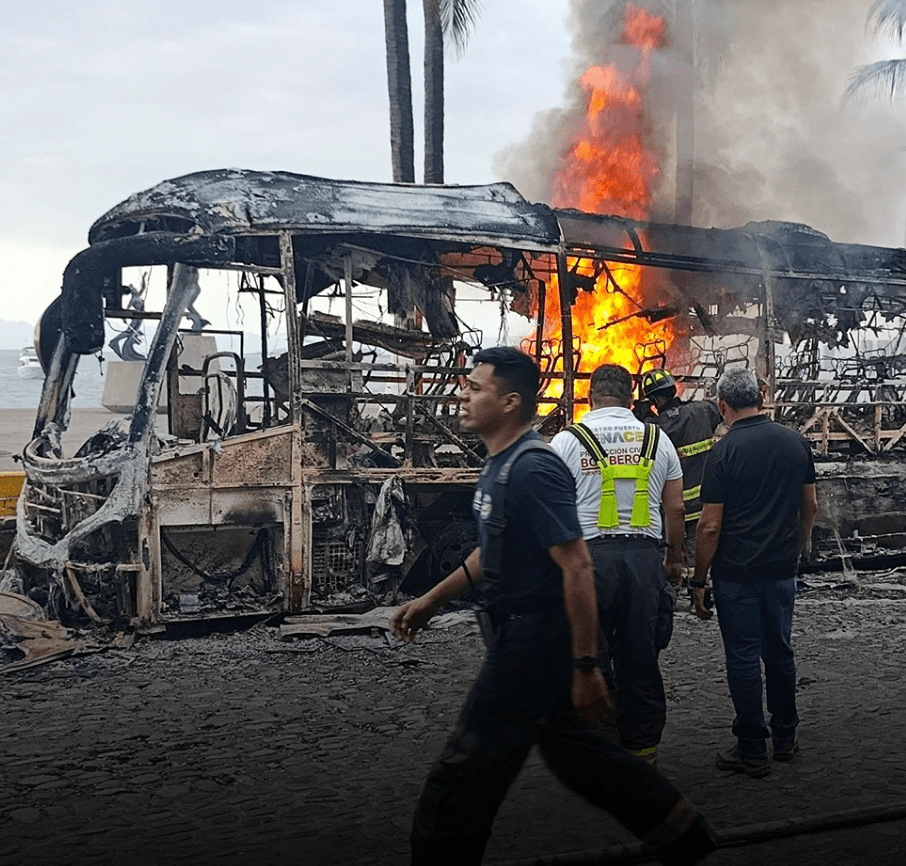
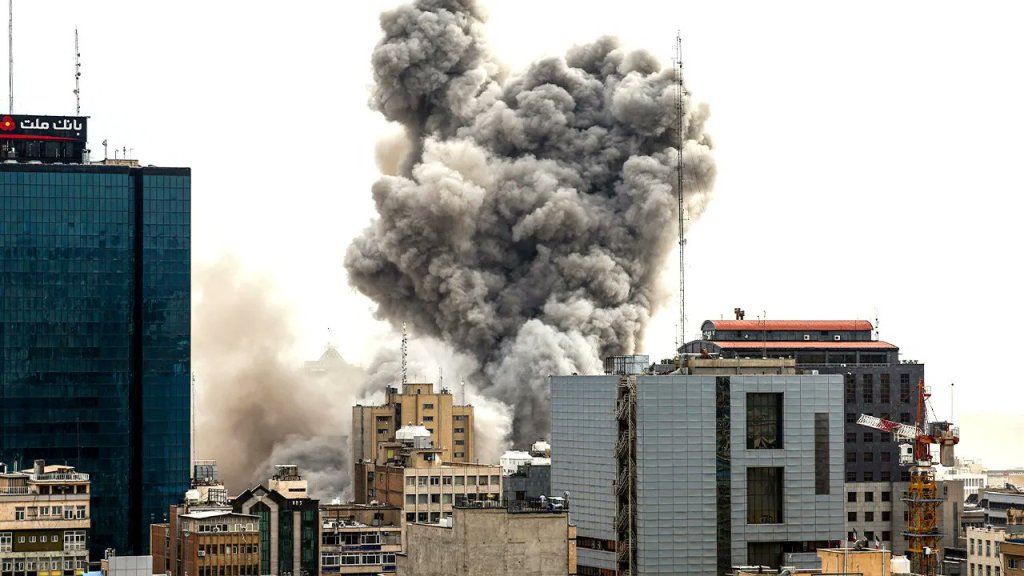
Fires and explosions spread across Mexico following the death of El Mencho. Photo courtesy of @bbcnews/Instagram
Nemesio Oseguera Cervantes, better known as “El Mencho,” was the head of the Cártel de Jalisco Nueva Generación (CJNG). The group has operated out of Western Mexico since 2007 and was declared a foreign terrorist organization by the Drug Enforcement Agency (DEA) in 2025. The group controls an estimated 100 drug labs throughout Mexico, netting upwards of $8 billion annually from the drug trade.
On Feb. 22, Mexican special forces surrounded a mountain resort in Jalisco, Mexico, where Cervantes had visited frequently over the last two decades. CJNG mercenaries opened fire on the soldiers as they approached, giving El Mencho the opportunity to escape to a nearby cabin. A second firefight erupted at the new location, which left El Mencho severely wounded. He later succumbed to his wounds while being airlifted to a hospital in Mexico City.
In the wake of the operation, CJNG second-in-command Hugo “El Tuli” Macias Ureña offered a bounty of 20,000 pesos per Mexican soldier killed — a move designed to incentivize violence as part of the cartel’s retaliatory campaign. On the same day, El Tuli was tracked by Mexican forces to a safe house south of Guadalajara and killed.
Since then, violence and civil unrest have erupted across Mexico, with CJNG gunmen blocking and burning vehicles in more than half a dozen states, including Jalisco, Colima, Michoacán, Nayarit, Guanajuato and Tamaulipas. In attacks on the night of Feb. 22 in Jalisco, where the cartel is based, twenty-five National Guard officers, a state police officer, a security guard and a pregnant woman were killed.
The violence has not stayed only in Western Mexico, however. The U.S. has suffered more than 320,000 fentanyl-related deaths since 2020, and a large quantity of the lethal opiate is smuggled across the southern border by the CJNG. In 2025, U.S. Border Patrol seized 11,500 pounds of fentanyl at the San Diego border crossing alone — enough to kill every American nearly eight times over.
The burning of cars and blockage of important roadways caused the U.S. Consulate to issue a shelter-in-place order on Feb. 22 for all American citizens in Tijuana. The order was lifted days after. USD sophomore Ryan Canton was visiting Tijuana the week of Feb. 23 and viewed the chaos firsthand.
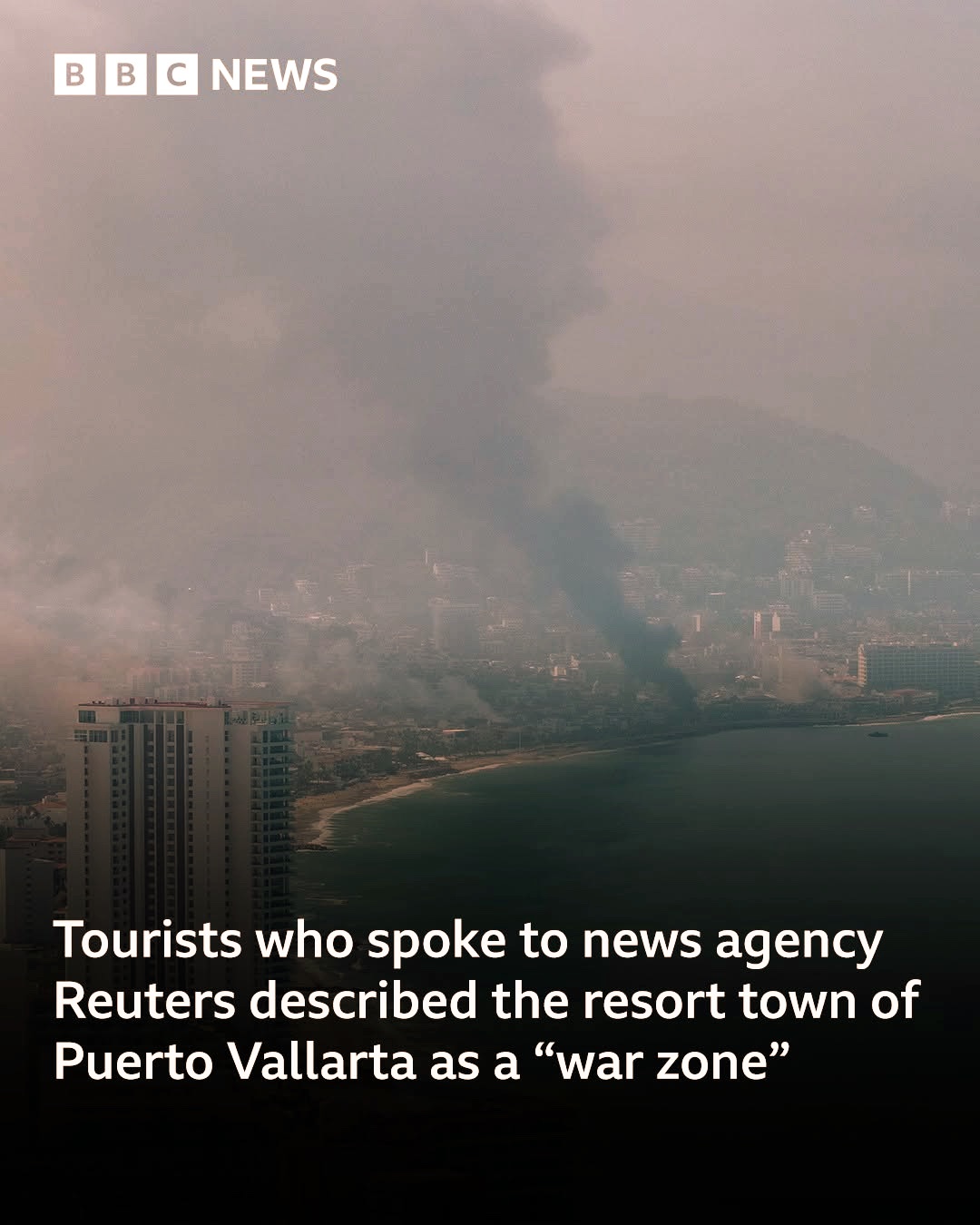
“There was a massive plume of smoke moving over the ocean from all the cars burning in Tijuana,” Canton said. “It was like watching a war zone.”
The killing of El Mencho has sent shockwaves throughout Mexico, leading to instability and violence right on San Diego’s doorstep.
The riots in Tijuana and a potential threat to local military installations places San Diego and Toreros in a unique situation. USD senior Brynn Gerty explained how the lack of security is impacting some Toreros regarding their spring break travel plans.
“I was planning on traveling to Tulum for spring break with some of my friends,” Gerty explained. “A few of them have decided they don’t feel safe traveling anymore.”
The decision to take direct action against the cartel and its leadership marks a new chapter in Mexico, one that may be difficult to navigate. Since 2012, Mexico has taken a less direct approach to combating cartel operations due to the failure of its previous “kingpin method.” This method, headed by former President Calderón, focused on the elimination of individual cartel leaders rather than addressing systemic issues. This approach led to the fragmentation of cartels into various splinter groups and a sharp rise in homicide rates.
Criminologist Nikos Passas offered a cautionary note during an interview with Northeastern University.
“The problem is not one leader,” Passas said. “The problem is that you have a whole illicit economy that is made up of all these structural components. Killing a leader makes headlines, but it doesn’t make for a durable reduction of illicit flow.”
The influence El Mencho had over the CJNG was uniquely centralized and powerful. Competing cartels, such as the Sinaloa Cartel, deliberately avoid this centralized model of power precisely because of the discord a single leader’s death can cause. The cartel is now desperate for new leadership in the wake of the deaths of their two most influential leaders, creating a drug-fueled power vacuum.
On June 18, Mexico is slated to host FIFA World Cup matches in Guadalajara, with a qualifying tournament scheduled for late March, leaving the Mexican government with an imposing deadline for peace.
The man is dead, but the cartel is not. With the scent of burning cars still fresh in the air and official government safety warnings, many Toreros doubt travel plans out of concern for their safety.
Violent riots spread across Mexico following the death of El Mencho. Photo courtesy of @bbcnews/Instagram
 The USD Vista
Leave a comment