GABRIEL ROMERO / CONTRIBUTOR
The 2026 World Baseball Classic (WBC) has officially begun, marking the sixth edition of the international baseball tournament. Often compared to soccer’s World Cup that will be hosted in the United States later this summer, the tournament runs from March 5–17, featuring 20 teams from around the world playing America’s pastime.
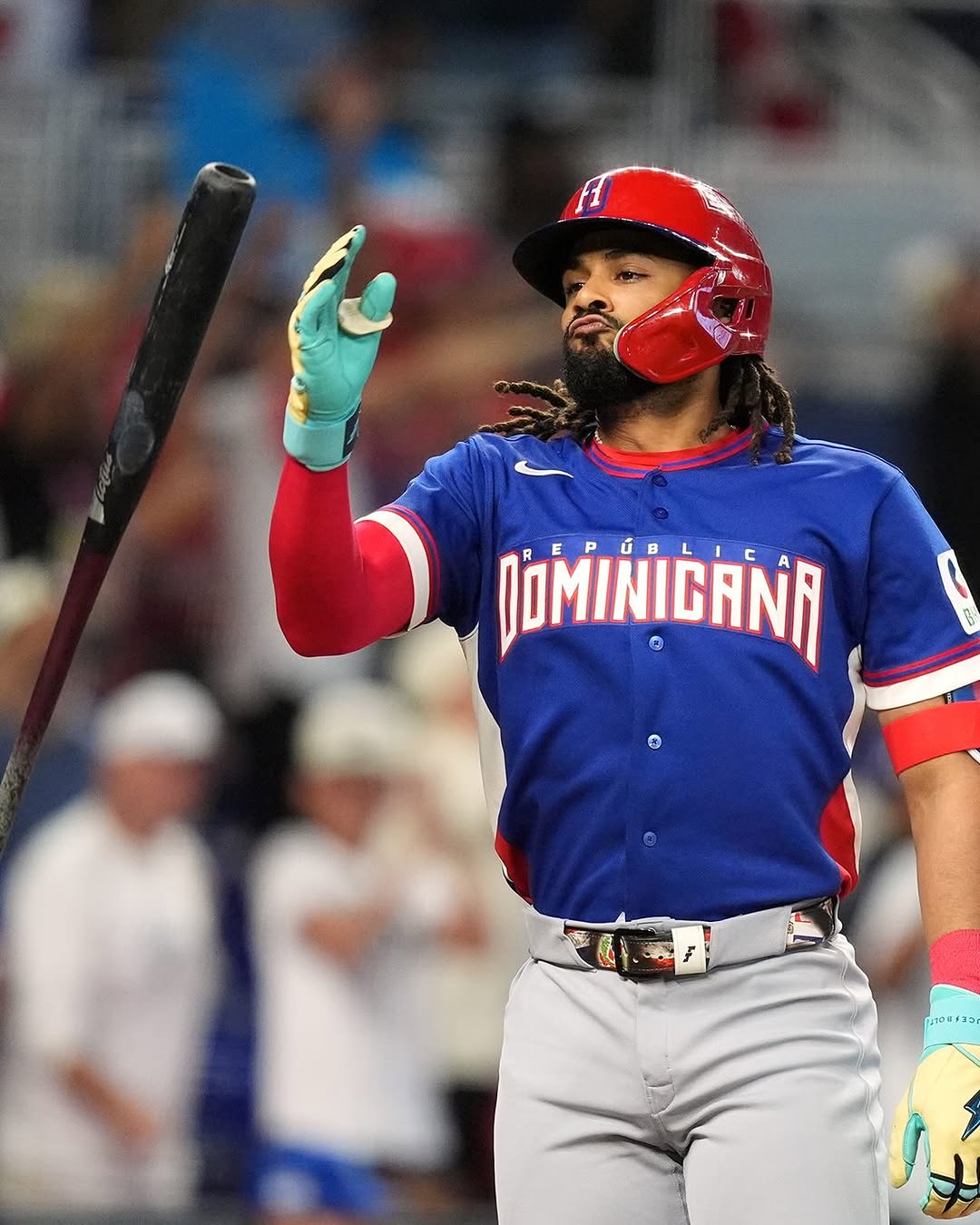
Fernando Tatis Jr. had a grand slam while representing the Dominican Republic. Photo courtesy of @wbsc/Instagram
Play is divided in four different pools, each consisting of five countries. Over the course of four games, teams compete for one of two spots to advance out of their group. The top two teams from each pool move on to the knockout stage, where single-elimination games determine who will ultimately be crowned champion.
This year’s tournament spans several global cities from five different continents. Pool C opened play first in Tokyo while the United States hosted Pool B in Houston and Pool D in Miami. Pool A games are held in San Juan, Puerto Rico. With teams representing countries from around the world, the tournament highlights the growing international reach of baseball. Japan enters the tournament as the defending champion, after winning the 2023 title.
In the baseball city of San Diego, some USD students discussed the significance of an international tournament for baseball. With the sport deeply embedded in the local culture, the event highlights baseball’s global reach and provides an opportunity to see players represent their home countries.
USD junior Lily Dow was surprised by how important the tournament is and its international scale.
“I was honestly shocked to see how little I heard about it, but I started seeing it on my feed once it began,” Dow said. “For how mainstream baseball is, it’s so fun to see a World Cup type tournament for the sport, especially with the soccer World Cup coming later this summer.”
One fan in particular, USD senior Jack Hansen, admires the way countries unite for this tournament of baseball, especially with supporting his country of Mexico with his family.
“I think they’ll be a dark horse team especially led by Randy Arozarena and Alejandro Kirk, but I don’t think they’ll be able to make it all the way with the juggernauts of Japan, D.R, and U.S.” Hansen said. “I think they’ll go to the semifinals, they should be able to beat Korea and beat Puerto Rico again like in the last tournament.”
Yet, cheering for his country’s team isn’t the only reason why Hansen and many other fans of the tournament enjoy these two weeks of baseball.
“Baseball is such an underrated sport, I have family from Mexico like my grandpa who taught me all there is about baseball growing up,” Hansen said. “I have a friend from Brazil, mainly known as a soccer country, but he also told me how big a sport baseball is there, and how they have the chance to start off the tournament against a big team like the U.S.”
Despite the excitement surrounding the tournament, controversy has also followed this year’s competition. While many players committed to representing their countries, others were ultimately unable to participate due to insurance restrictions.
Under current rules, any player on a MLB 40-man roster must be covered by an insurance provider approved by the MLB Players Association to compete in the WBC. Without the coverage, players risked losing money from their contracts if they suffer an injury during the tournament.
The issue became particularly visible with Puerto Rico, which briefly threatened to withdraw from the tournament after several star players were unable to secure the required insurance. Music superstar Bad Bunny even offered to personally cover insurance costs for players such as Carlos Correa and Francisco Lindor, though the proposal was not approved by the MLBPA.
For many fans, the restrictions are frustrating because they prevent some of the world’s best players from the tournament. However, USD sophomore Natalie Lowenthal said she understands why teams and organizations must take precautions.
“It feels fair for teams to be worried about players especially if they are insured, it causes huge liabilities when their main source of income is playing for their designated teams,” Lowenthal said. “However, you should want the best of the best to be representing your country when it comes to the tournament.”
With packed stadiums, passionate fans and national pride on the line, the World Baseball Classic continues to showcase baseball on a global stage. For students at USD and fans around the world, the tournament proves that when players put on their country’s jersey, the excitement surrounding the game reaches an entirely new level.
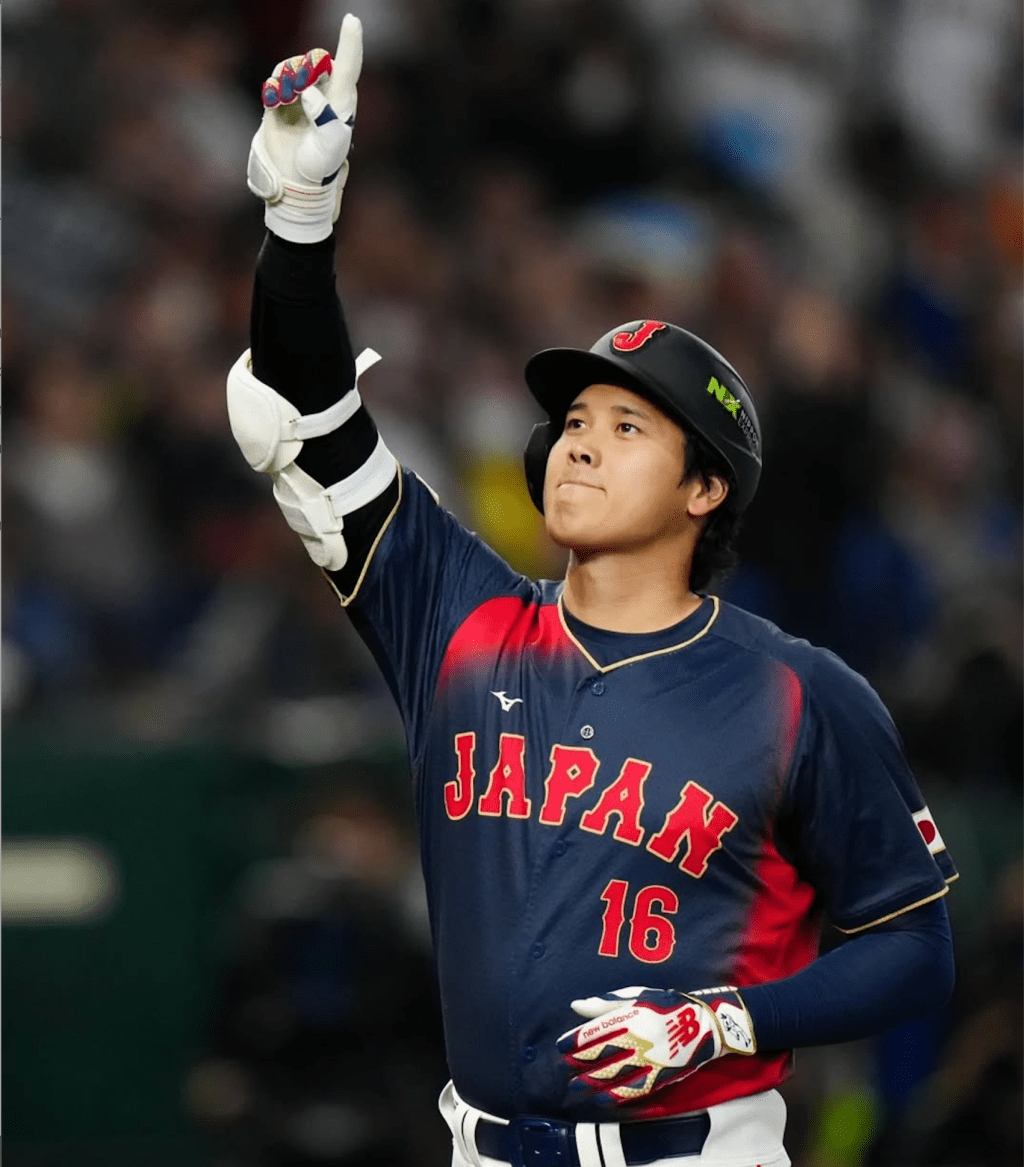
Shohei Ohtani is playing for Japan in the 2026 World Baseball Classic. Photo courtesy of @wbsc /Instagram
 The USD Vista
Leave a comment