ALEX KUETER / ASSISTANT OPINION EDITOR
Fears are all around us. Snakes, spiders and roaches send people screaming, or at least pointedly walking in the opposite direction. These are the very least of the dangers we might face. In a world filled with cancer and car wrecks, we routinely turn a blind eye to the actual fears present in our lives. You are far more likely to die from texting and driving than a spider bite, or virtually any creepy-crawly, but I rarely see people express fear of driving like they do snakes.
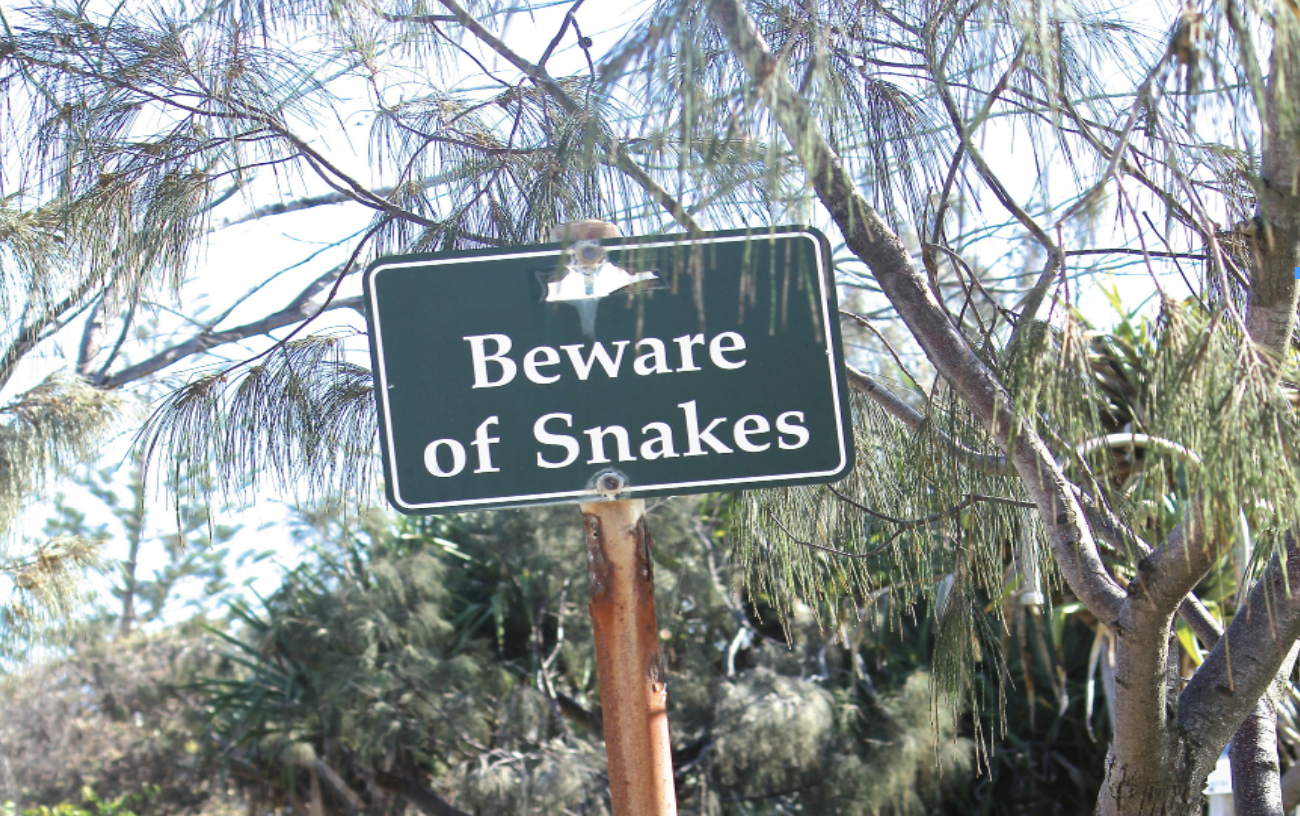
A warning sign reminds us that a common fear can feel more threatening in a moment than more dangerous and normalized risks. Photo courtesy of Toni Pomar/Unsplash
Many of our fears are developed rather than hardwired into us. According to many psychologists today, humans are only born with two major fears: heights and loud noises. Both of these are beneficial in protecting us as infants from sudden and dire threats, like falling or predation. After that, all fears are instilled into us by culture, such as what our families or friends say is scary.
As such, our other fears are highly variable. While in America many of us fear snakes, some Hindu cultures have no inherited fears of snakes due to their cultural importance. Even though India has roughly double the number of venomous snakes than America, it’s all about how things are framed.
The world has become an increasingly safer place to live. But despite this, preventable mortality rose across all 50 states from 2009 to 2021. Yet it declined in most other high income countries. One of our biggest and most routine threats is driving. Cars are the primary transportation for 78% of Americans in a 2024 survey by Pew Research Center. They also pose an enormous threat to our safety, with 40,000-44,000 deaths from motor collisions annually according to the U.S. Department of Transportation. While roughly 30% of these can be attributed to intoxication, over 3,000 are related to distracted driving or being on your phone. Furthermore, over 1.6 million crashes occur annually because drivers are distracted on their phones.
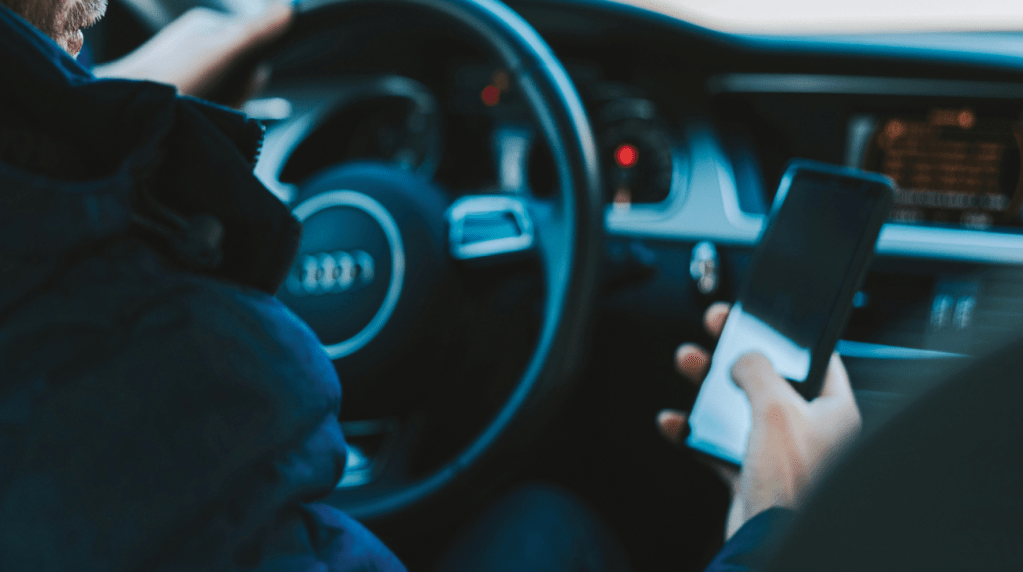
Despite these statistics and the widespread knowledge that distracted driving is dangerous, I see people on their phones while in their cars every day. Whether it’s at red lights, on the interstate or anything in between, I see people texting, scrolling and calling. Even though most cars these days are equipped with Bluetooth or CarPlay and can use voice to text, people still text. People seem to be seldom scared enough to stop doing something that poses a direct and daily threat to us. I think it is because of the slow nature of the threat.
Seeing a snake is a more direct threat to our life. It indicates that we are currently in a life or death situation, no matter how dangerous it really is. Cars and other modern threats are so embedded into our lives. We use them so regularly that the fears become dulled.
When I started driving, I was much more aware of everything around me, and much more anxious. But as time went on, and I drove more, it became more comfortable. I was more willing to have distractions such as loud music or multiple guests.
It’s possible that as people continue driving, texting just seems like less and less of a threat, despite the fact that it continues to be.
Fears are very culturally dependent, and evolve with us as we change. This can be harmful to us. It can be incredibly frustrating to watch people brush off the real threats that impact them and others, but sweat the small things. For example, texting and driving possess such a threat to not only the driver, but to everyone else on the road. Somehow, we are able to ignore it because the danger seems so distant to us. We have driven thousands of times, and nothing bad has happened yet, so we can rationalize it.
It’s hard to live a life scared of cars and their dangers when we use them every day. It’s easier to fear snakes and spiders, which we rarely see and don’t pose a real threat to us.
I think we should all be more mindful of the real dangers around us and give snakes a break. While we shouldn’t live our lives in fear of the world, knowing and respecting what can really hurt us like texting and driving is important to keep us all safer.
One of the most normalized dangerous acts is using your cellphone while driving. Photo courtesy of Alexandre Boucher/Unsplash



 The USD Vista
Leave a comment