MAXIMILIANO ACOSTA / ASST. SPORTS EDITOR
Designed as an alternative to the mile run, the Fitness Gram PACER Test is a “multi-stage aerobic capacity test that progressively gets more difficult as it continues. The running speed starts slowly but gets faster each minute after you hear this signal: beep,” the test audio states.
This infamous physical exercise test was used all over the K-12 education system in the U.S. and was even implemented into the military. Participants would start with a flat surface on a marked point and run 20 meters in distance and back before the next beep commenced. Every minute or so, the level changes, and the required speed at the new speed level would be around 0.5km/h faster. Although it might be slightly different, depending on the state which the test is taking place in.
However, this simple measure of physical fitness turned into something much more competitive for elementary and middle schoolers across the nation.
USD sophomore Alessandra Ramirez highlighted her experience with the PACER test. According to her score, it had to have been around the 80th lap.
“Pretty much with the PACER test, half of the people didn’t really try, but I was part of the half that were try-hards,” Ramirez said. “There was this one kid I had a rivalry with in sports, not because we wanted to, but because we always wanted to outbeat each other. We pushed each other. At the end of the day, it was really just a group of five of us who made it a whole competition, and it was really fun. My middle school wasn’t very big, but it brought our class closer together.”
Like Ramirez, some would take it far and try their hardest in order to earn bragging rights. It wasn’t just a physical endurance test, it was a medal of honor that you could remind people about. It’s strange to think that something as ordinary as a fitness test can still feel like a vivid memory a decade later.
According to To Open Sports, if you made it to level 21 on the 20 meters test, you’d run 247 cumulative laps, your running time would be upwards to around 11.5 mph. This is nearly impossible and a more realistic approach is no more than achieving upwards to 25-60 laps. In a gym, or outside black-top, the numbers felt less like health data and more like a scoreboard.
According to The Science of Learning, a research-based article on stress and memory formation, researchers have found that stress around the time of learning can enhance memory formation.This may explain why so many students on campus recount their memories with the PACER test.
Some say it is a healthy test, even for those who didn’t get to participate in it.
USD sophomore Cooper De Vries mentioned how he never participated in the PACER test growing up because he has been in the same private school since kindergarten.
“I wish I did the PACER test because I felt like it would bring healthy competition and push me more than a mile,” De Vries said. “I also think it would’ve better prepared me for my sports because we would participate in shuttle runs. I feel like sprinting back and forth would build more speed and agility.”
While some excelled in this test, others on campus saw this as not representative of their athletic ability.
USD junior Efrain Ruiz, played baseball growing up puts it this way,
“I played sports my whole life, and I was pretty athletic growing up, but since I had asthma growing up, it was still hard for me to keep up with the other kids,” Ruiz detailed.
For some Toreros, the PACER was a way to show athleticism —and for others a day to be sick. Nonetheless, all those who took the PACER have a shared experience — fond or not.
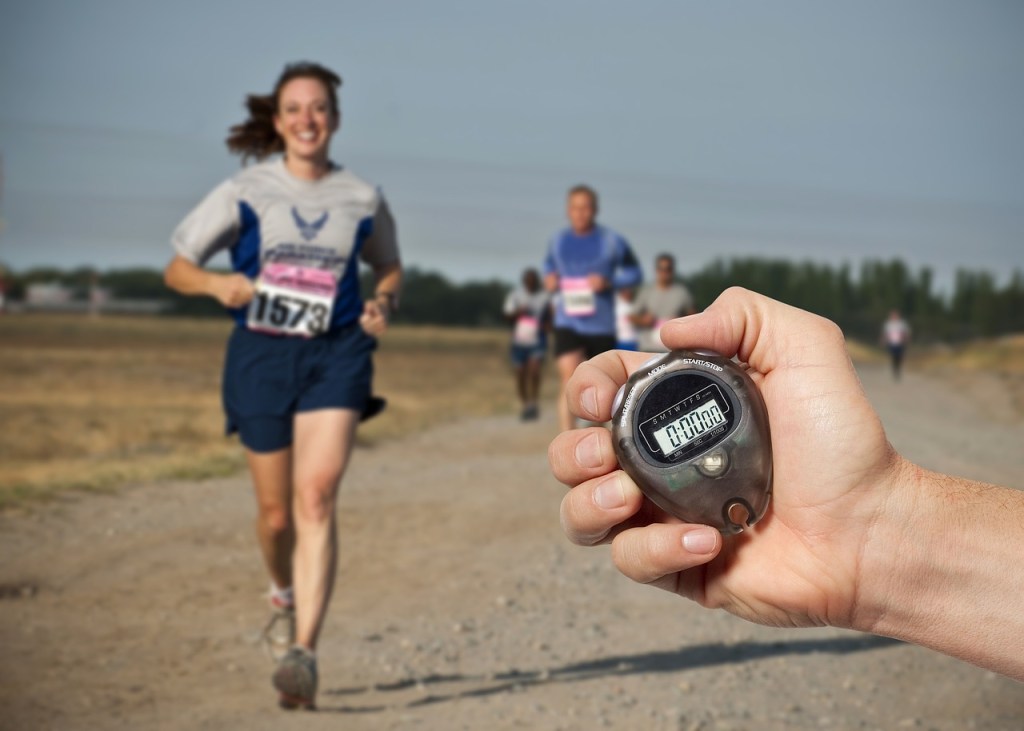
Fitness tests like the PACER test are standardized across most of the country. Photo courtesy of @sbjesq92/Instagram




 The USD Vista
Leave a comment