DAVID COOK / OPINION EDITOR
With seemingly endless internet access and constant social media use, Gen Z has had to navigate entirely new kinds of social dilemmas. Technology has changed not just how people communicate, but also what they are expected to share with one another. One of the clearest examples is location sharing, which has quickly gone from an occasional safety tool to a routine part of social life. What sounds convenient on the surface has created a much more complicated question underneath: who deserves to know where you are?
Location sharing should be reserved for close friends and family, not treated as a default feature of modern social life. Real-time access to someone’s whereabouts is an intimate form of information, and it should be shared carefully. But social media has blurred the boundaries between trust and convenience, making location sharing feel normal even when it involves people who have no real reason to know where you are. That shift has made privacy feel optional when it should still be the standard.
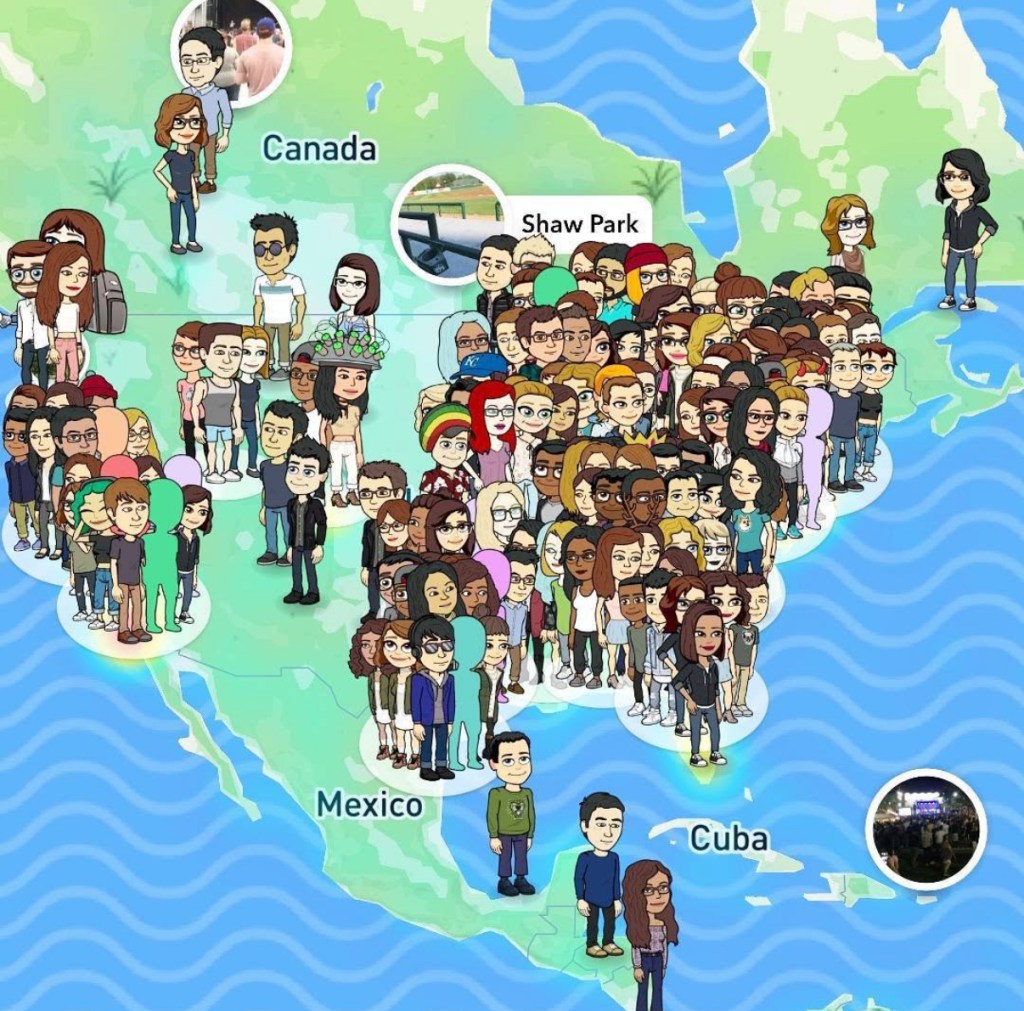
“Snap Map,” Snapchat’s location-sharing feature, allows users to see where their friends are on a map whenever they open the app. Users can choose who can view their location, whether that means no one, a select group or all of their Snapchat friends. On paper, it sounds simple and even useful. It can help people meet up, check whether a friend has arrived safely or see who is nearby. But in practice, it has also normalized the idea that large numbers of people should be able to see where you are at almost any moment.
That’s where the problem starts. Location sharing can absolutely make sense when it is limited to very close friends, family or a significant other. In those situations, it can be practical and rooted in real trust. Parents may want to know their child got home safely, friends may want to find each other after a night out and family members may use it for safety while traveling. Access to someone’s location should reflect closeness, not casual familiarity.
Instead, apps like Snapchat have made location sharing feel far too casual. Other apps, such as Instagram and Facebook, have location sharing features, but most Gen Z would agree that Snapchat’s location features have been used the most.
Many people now share their location with dozens, sometimes hundreds, of people on their friends list. And on social media, “friends” often include people who are not really friends at all. Classmates, mutual followers, people you met once at a party or someone added years ago and forgotten about, all may share their location with you. I know that if I ever open up the Snap Map, I constantly see pins of near strangers going about their day. Every time it happens, I always wonder how anyone would think this is safe.
Your location is not random information. It reveals where you live, where you spend your weekends, what places you visit often and the routines that shape your daily life. Someone who can see your location regularly can learn a lot about you without ever asking. That makes it very different from sharing a photo, posting a story or liking a post. Locations are deeply personal, and it should not be available to casual acquaintances just because an app made it convenient.
What makes this issue even more interesting is the social pressure that comes with it. Location sharing is not just a setting buried in an app. It has become its own social dynamic. If someone shares their location with you, there can almost be an unspoken pressure to share yours back. Not doing so can feel awkward, almost like you are sending a message. It can come across as unfriendly, distrustful or secretive, even when all you are really doing is protecting your privacy.
That shift says a lot about the way social media changes behavior. Features that begin as optional tools can transform into social expectations. The more common location sharing becomes, the more people start to treat it as normal, and the more abnormal privacy starts to seem. That’s backwards, and privacy should not be the suspicious choice.
Location sharing has its place, but that place should be limited. It should be reserved for the people closest to you and used for a clear reason. It should not be handed out to everyone on your friends list, and it definitely should not become something people feel pressured into doing just to avoid seeming rude.
In a time when social media encourages people to share more and think less, keeping your location private should not be seen as strange, but rather as common sense.
Many people don’t think twice when considering sharing their location with others. Photo courtesy of @the_clari_boys/Instagram




 The USD Vista
Leave a comment