MACKENZIE SMITH / CONTRIBUTOR
It seems as though more and more musicians are being added to the growing list of biopics, with the most recent being Michael Jackson in the new film “Michael.” The movie follows Jackson’s upbringing and traces his journey to global fame, offering audiences a closer look at the experiences that shaped his career.
“Michael” the first installment of a two-part biopic opens with Jackson’s father, Joseph Jackson, forming The Jackson 5 in 1966. The film follows the group’s rapid rise to global fame, while also portraying the intense pressure and harsh treatment they experienced under their father’s management. About halfway through the film, the focus shifts as Michael Jackson begins to pursue a solo career, balancing his work with The Jackson 5 while also creating his own sound. The movie highlights the recording of his first solo album “Off the Wall,” followed by the creation of “Thriller.” The movie concludes with Jackson breaking away from his fathers control at the end of “The Victory Tour,” and transitions into his 1988 performance of “Bad” at Wembley Stadium.
USD first-year Cameryn Brown watched the movie on its release day.
“I thought the movie was incredible,” Brown said. “I didn’t know too much of Michael Jackson’s story going into the movie so I didn’t have any set expectations on what I did and didn’t want to see. I think they did a really good job telling the stories and bringing on new perspectives especially of his early career and being in The Jackson 5 with his father and how that has really impacted him.”
“Michael” emphasizes the significance of Michael Jackson’s career and cultural impact, but it largely avoids addressing the issues that later made him the center of major controversy including drug usage and sexual assault allegations.
Prior to Michael leaving The Jackson 5 the group filmed a Pepsi commercial. During a simulated concert experience pyrotechnics accidentally set Jackson’s hair on fire causing second degree burns to his scalp. To help him with severe pain the doctors prescribed opioids, which would later be attributed to the beginning of his experience with drug addiction.
While “Michael” includes this incident, it only briefly acknowledges the prescription of pain medication before quickly transitioning into the next phase of his career, leaving the long-term impact largely unexplored.
Jackson also faced faced major allegations of child sexual abuse in 1993, with additional accusations and legal cases emerging in the years that followed. While Jackson was acquitted of all of these charges in 2005 they played a large role in the later years of his life.
“Michael” was set to include the allegations against Jackson and originally filmed his 2003 arrest showing Jackson being stripped naked and being treated like an animal. However, a settlement for $23 million forbade the Jackson estate from participating in depictions of events tied to the allegations, meaning it couldn’t be included in the film. It is currently unclear how they are going to address this controversy in the upcoming sequel.
Brown discussed the planned second part.
“I feel like it makes sense it’s in two parts because going into the end of Michael Jackson’s career there’s so much going on in terms of everything that was being said about him,” Brown said. “I feel like there definitely does need to be a second movie and I’m not quite sure how they’re going to address that which I think will be interesting to see.”
In general, biopics tend to romanticize, rush or intensify the stories they are portraying. While this makes for a more interesting film it strays away from the original source material and can create a false narrative.
USD sophomore Sean Palmer isn’t a fan of the recent trend.
“I feel like the band biopics are getting so extreme and they’re all like the same movie, just super fast paced and defines their entire career,” Palmer said. “I feel like a lot of them take creative liberties that I don’t really like.”
USD junior Kassandra Rosas expanded upon this.
“A lot of biopics right now aren’t needed or necessary,” Rosas said. “I feel like it’s more of a cash grab and I think [Michael] was a cash grab because I saw a lot of his life left out and put more attention onto the abuse he endured.”
Recent music biopics include “A Complete Unknown,” which focuses on Bob Dylan, and “Elvis,” which tells the story of Elvis Presley. Similar to Michael Jackson, both artists were associated with various controversies throughout their careers. While these films do touch on some of those issues — such as Dylan’s infidelity and Presley’s dependence on medication — they ultimately leave out controversies that shaped their lives, creating a flawed perspective.
Palmer talked about entertainment compared to accuracy in biopics.
“You want to be faithful to the band but at the same time you want to make it an entertaining piece of art for people to watch and go to the movies for and I think that’s what the biopic does,” Palmer said. “I think if you go over an entire career in one biopic you’re going to miss a lot of things, if you do it in a specific time period maybe like four or five years it’s a lot easier to get things right.”
Part two of “Michael” is expected to be released between 2029 and 2030, many critics and fans are interested to see how they address the later half of Jackson’s career and his controversies.
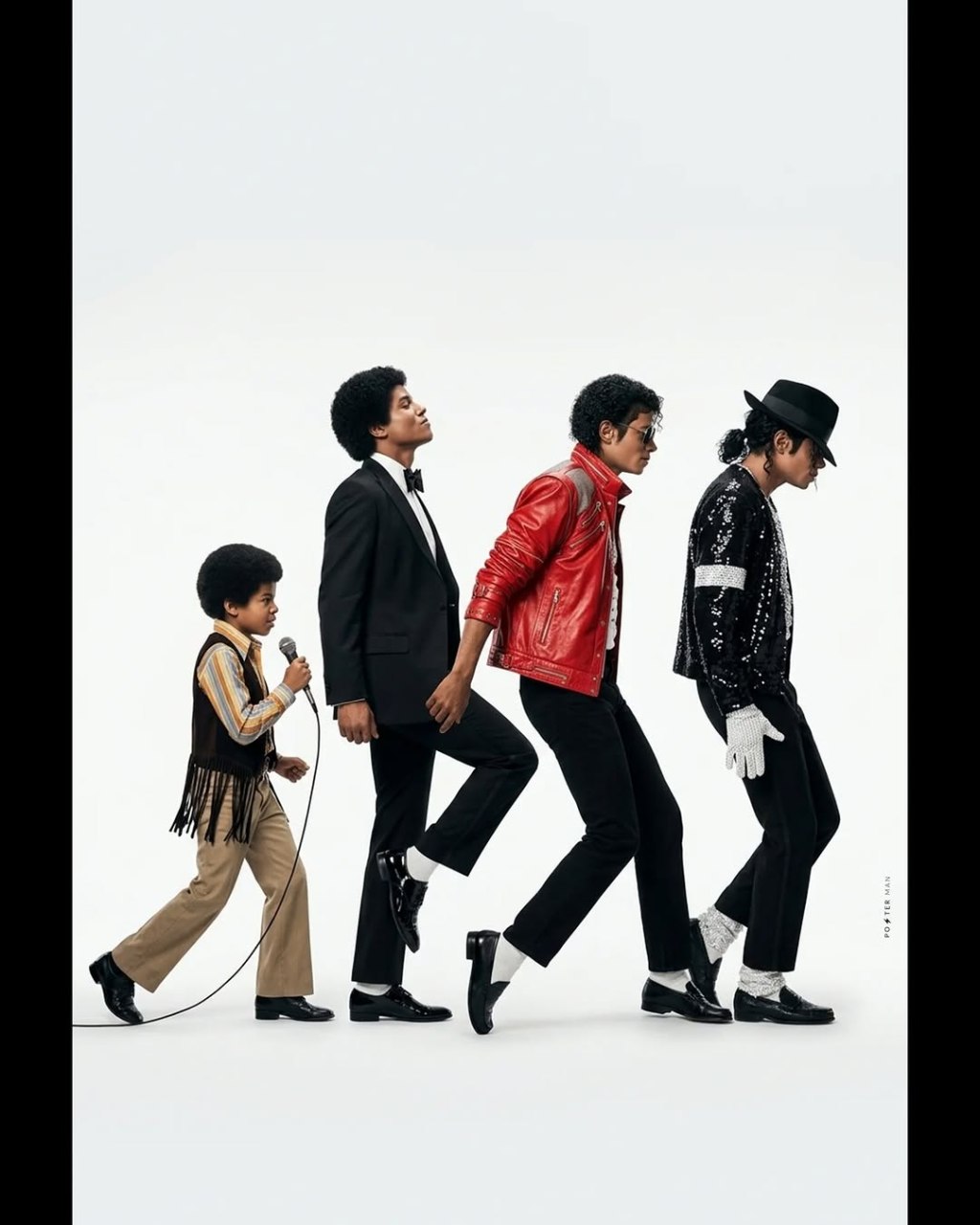
The newest biopic to hit the theatres, ‘Micheal,’ caused controversy on the glorification of musicians’ postmortem. Photo courtesy of @postermanofficial/Instagram




 The USD Vista
Leave a comment