ANNIE BARTOLOME / ARTS & CULTURE WRITER
The first week of classes is unofficially dubbed by many students as “syllabus week” as many professors use their first class session to have a formal overview of the syllabus and their expectations for the class. Over the last several years, professors have added a new section into their course outline: policy on technology and artificial intelligence (AI). USD does not have an overarching blanket policy regarding electronics. Instead , it operates as a decentralized system in which the usage of technology and machine intelligence is up to the discretion of the professor. However, the university provides guidelines and expectations on how students should use these tools.
USD’s Marketing and Communications website stated the USD guidelines on AI are “intended to promote thoughtful, ethical practices while protecting the authenticity of USD’s brand and Catholic identity, and are consistent with the principles outlined in Pope Leo XIV’s encyclical Magnifica Humanitas, which calls for AI to remain in service of human dignity and the common good.”
The result of the university’s statement is a wide range of policies within the different schools, with technology and AI either fully embraced as useful tools shunned in classrooms or falling somewhere in between.
USD professor Alan Lerchbaker teaches courses on management and law and ethics within the Knauss School of Business. Lerchbaker shared his thoughts on the role of technology and AI and its presence in the classroom.
“It’s just like when Texas Instruments came out with the TI-55, TI-58 and TI-59,” Lerchbaker explained. “It was a tool back then, not much of a tool now because we have computers. Some people are fighting this, but it should just be accepted as a tool.”
Lerchbaker stresses to his students that AI can aid them in their projects and papers, but that it is not allowed to do all the work for them. He explains that many professional firms use AI agents, so he encourages students to become familiar with these tools in order to prepare for their careers. He also emphasizes to his students the importance of always checking sources and content, since AI-generated information can be faulty.
USD junior and business administration and finance major Kathy Cao echoes this sentiment when speaking about how her professors approach the use of AI in her classes this semester.
“I think [professors] know we’re going to use it anyways, so they encourage us to use it responsibly,” Cao expressed. “Technology depends on how you use it. If you use it irresponsibly, it can hinder your learning.”
USD senior Slaiman Safar noted that his professors do not share this same sentiment toward AI.
“We use technology and equipment in our labs, but AI is treated differently,” Safar said. “At the same time, I think there could be more room to teach students how to use it properly, especially for troubleshooting and explaining something they’re struggling with.”
Safar wanted professors to recognize that AI can actually help spot problems within code to aid students during labs and projects. He recognized professors’ fears, but hoped that they can trust students to not abuse AI.
USD professor of theology and religious studies within the College of Arts and Sciences Nick Witkowski has a zero tolerance policy for AI.
“NO AI permitted at any point in this class,” Witkowski wrote in his syllabus. “NO electronics may be used in class.”
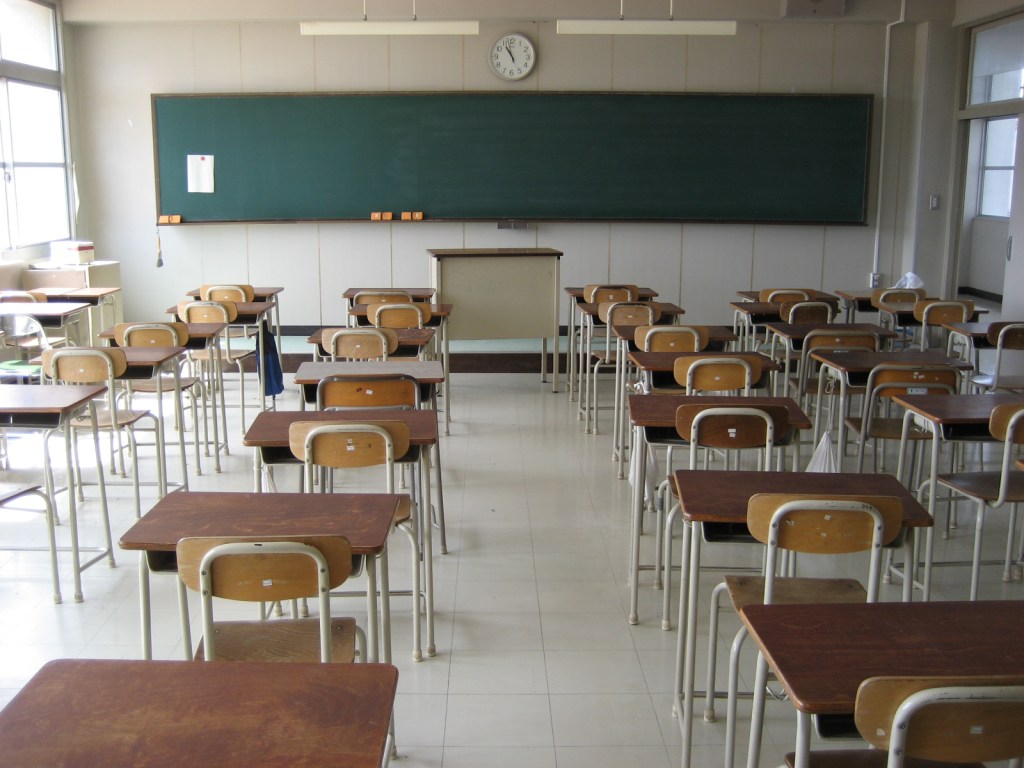
He implements a tech-free environment in all of his classrooms with the exception of accessing texts digitally. He discussed his rationale behind banning screens and AI.
“I restrict it because the fundamentals of learning are impeded,” Witkowski explained. “It affects their ability to concentrate, and will affect success in the big picture.”
After establishing these policies, Witkowski noticed a longer attention span and more robust conversation among students during class discussions. He believes that technology hinders class participation, leading to his decision to remove it completely.
Tighe Avila, USD junior and psychology major, echoed this sentiment when sharing his experience with technology-free classroom environments.
“In many of my psychology classes, no technology was allowed during the lecture,” Avila explained. “I love this! It forces people to generate their own ideas and perspectives about any given topic.”
USD provides guidelines and a framework for employing the use of technology and artificial intelligence in students’ work. It is now in students’ hands to use technology and AI responsibly in their classes and in preparation for their careers beyond the classroom.

 The USD Vista
Leave a comment