
A picture of the “American Dream” is a house behind a white picket fence with a sprawling green lawn. This ideal has seeped into every aspect of life, so much so that we have even turned to a plastic alternative just to prove we have achieved the dream of a green lawn. Rather than growing non-native grasses that require so much maintenance as they never evolved to survive on their own in California’s climate, we should cultivate native plants to restore the beauty of California and support native wildlife.
A couple summers ago, my mom and I decided to plant a garden. In the bare spots, we planted ground covers. At the time, they were small, and only took up about 2 square inches each. After only a couple months, the ground cover had spread to cover all the bare soil and we began to see butterflies, moths, hummingbirds, rolly-pollies and even beetles any time we went outside. Meanwhile, my parents had to replace the same bare patch of lawn every year after winter. I saw the difference between a native plant and a non-native species in real-time, and the effects those plants had on nature.
Think back to movies like “Pride and Prejudice.” Remember the sprawling lawns that took up much of the land of those estates? This is where the idea of lawns originated. Back in the seventeenth and eighteenth centuries, according to the National Wildlife Federation, grass, hedges and especially large lawns were signs of wealth. Those who were poorer lived in the packed cities often without even a tree by the road. The image of lawns became an aspiration for those who did not have their own space, let alone a yard. Today, the ideal of a home with a lawn is still present in our society; yet, it is counterintuitive with the current state of California.
It is no longer realistic to care for a lawn that drinks up more water than California can provide. California receives much of its water from places such as Colorado, raising the question of whether such a limited resource should be used to meet societal standards.
“Lawn watering consumes nearly half of the water used by most homes during the warmest months of the year,” the Monte Vista Water District website reads.
Native plants know the climate and have evolved to survive through the lack of water. Plants native to San Diego are also able to withstand the floods common throughout the winter months here.
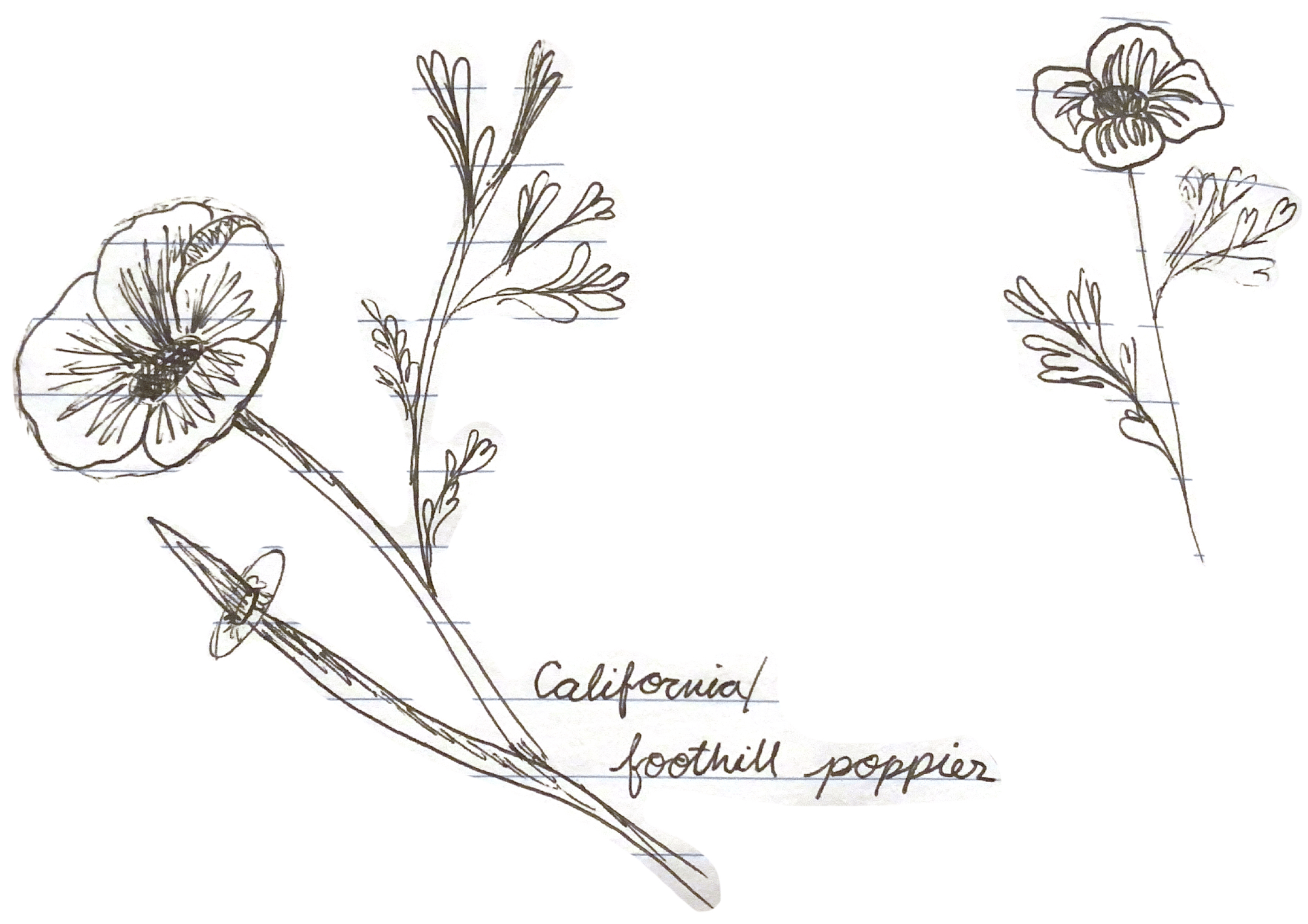
Native ground covers are perfect replacements for grass as they generally only grow 1 to 3 inches off the ground, meaning no need to mow. While occasional watering is still necessary for native plants, it is nothing like the 1 to 2 inches of water that common grasses require weekly.
Landscaping companies, such as LawnStarter and Lawn Love, advertise grasses such as Bermudagrass, St. Augustinegrass and Tall Fescue as possible lawn options. Their maintenance levels range from low to high, as well as their susceptibility to diseases. Still, they require more watering than native plants.
Many ground covers even flower, including silver carpet aster, providing pollinators with more flowers to harvest nectar from. Although I enjoy the look of ground covers more than grass, California still has many different species of native grasses to choose from, including tufted hairgrass and California oatgrass.

Lawns are known as “biodiversity deserts” because frequent mowing kills off native bugs and plants which are considered weeds — making lawns unable to contribute to any ecosystems. Out in nature, diverse species grow alongside one another vines growing up trees, roots intermingling, stems entwining. In our yards, there is simply grass. The biodiversity of the forests or hills or even the unkempt parking strip that was forgotten about years ago, is important to the bugs, the soil, the birds and the wildlife. While promoting this monoculture of grass, we are slowly killing off species. Even simply allowing “weeds” to grow alongside grass can help this monoculture become more. Remember: weeds are plants that are unwanted in their current location.
“There are more than 1000 species of non-native plants present in California,” the University of California Agriculture of Natural Resources website reads. “The California Academy of Sciences estimates that 75% of the original habitat for native plants has been lost to non-native plants due to human activity.”
Due to the urbanization and cultivation of land, California has already lost much of its native plants, and both butterfly and bee populations are suffering. The milkweed plant, crucial to the habitats of monarch butterflies, is endangered due to competition from invasive grasses.
The Monarch Joint Venture (MJV) is a national conservation nonprofit that is dedicated to protecting pollinators, such as monarch butterflies.
“Female monarchs only lay eggs on milkweed plants since monarch caterpillars only eat milkweed,” the MJV website reads. “The milkweed plant provides both food and shelter for a caterpillar.”

With the switch from grass lawns to hubs of biodiverse, native plants, we can help pollinators restore their numbers and begin to heal the environment from the harm humanity has done to it. California will be a much more beautiful place when we decide to display its natural charm.


Join the conversation