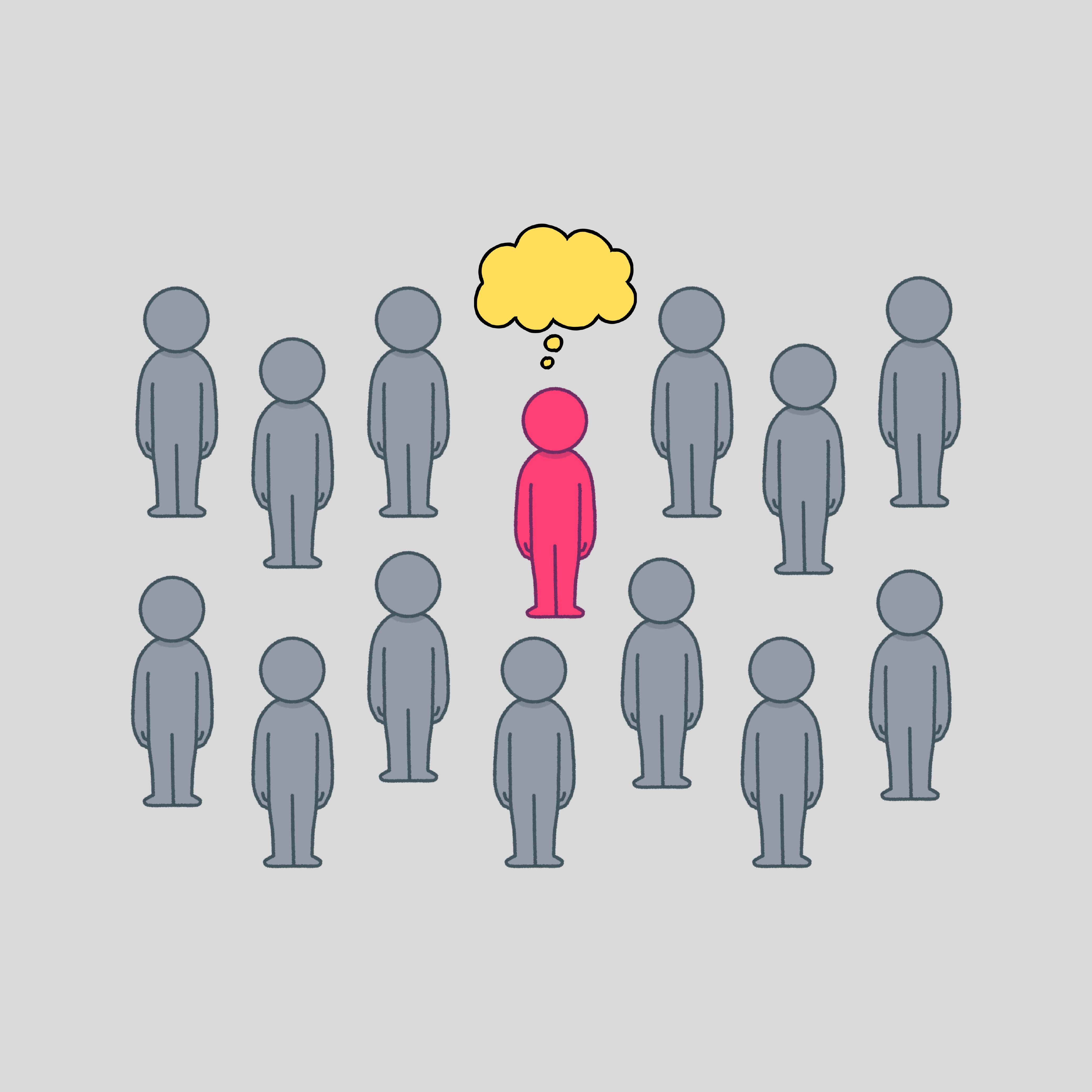
We have never lived in a world with more opinions.
At our fingertips lies an endless stream of commentary, criticism and arguments. Before breakfast, we learn what strangers think about the latest political controversy, which celebrities deserve criticism and what films are overrated. An opinion is available for everything, often before we have formed one ourselves.
In a world where everyone has something to say, little of what we say actually belongs to us. Our thoughts are plagued by the barrage of opinions available to us online.
Social media has democratized expression, giving ordinary people opportunities to share their thoughts with enormous audiences. However, it also transformed opinions into something consumed rather than constructed.
Instead of reaching conclusions through logic, reflection and experience, we are presented with conclusions already packaged for audiences.
Opinions should reflect individuals’ thinking. While social media makes knowledge accessible, more information does not necessarily translate to independent thoughts.
When beliefs are adopted because they are popular or socially acceptable, the distinction between what we believe and what we have been told disappears.
Historically, humans have been influenced by those around them. In 1951, psychologist Solomon Asch began experiments analyzing group conformity. Participants were asked to identify which of three lines matched a reference line. When surrounded by people deliberately giving incorrect answers, many conformed to the group’s judgment despite otherwise clear evidence in front of them. Asch’s experiments demonstrated something unsettling: even when we can see the truth ourselves, the desire to agree with others can overpower our own judgment.
Sometimes, all it takes is a comment section. Online, popularity is established through likes, shares and views. We can see which opinions receive approval and which provoke ridicule. The social consequences of disagreement are apparent before disagreement even occurs.
There is nothing wrong with sharing opinions or changing our minds. Being open to disagreement is essential to intellectual growth. The problem arises when we agree without questioning why.
Opinions are an important part of our individuality — they reflect our experiences and understanding of the world. When we allow others to determine what we think, we surrender part of our identity.
Question popular beliefs, defend unpopular preferences and admit when you don’t know enough to have an opinion. With so many voices telling us what to believe, maybe it’s time to start thinking on our own.


Join the conversation